
Post actualizado el día September 30, 2026 by DeiviSanzPlay
Have you ever wondered about places so mysterious and remote that humans have barely touched them? North Sentinel Island is one of those enigmatic destinations, a corner of the world that still resists the invasion of technology and progress. With its fame as the most mysterious island in the world, this place has generated fascination for years, being one of the last areas of our planet that remains almost unexplored.
I recommend you check out this interesting article: How to fix Outlook error 0x800ccc0e.
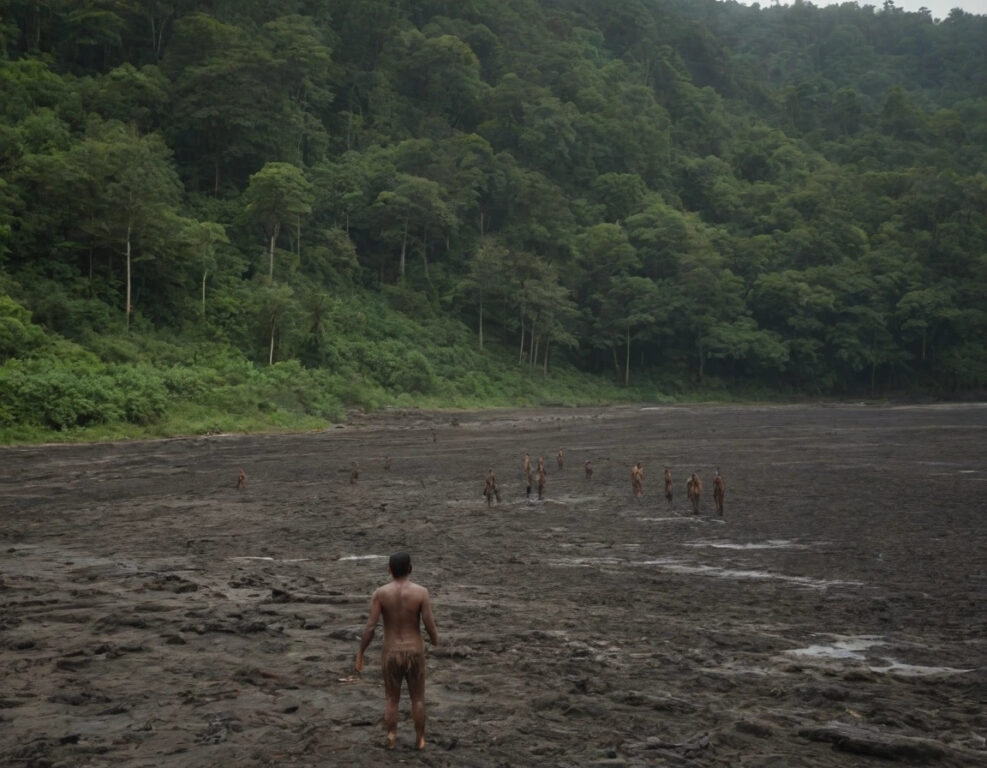
Did you know that the island is inhabited by a tribe called Sentinel? These inhabitants have no contact with the rest of the world, which makes the island even more intriguing. Despite advances in exploration and knowledge, the Sentinel tribe has systematically rejected the presence of outsiders. North Sentinel is an enigma that keeps its culture uncontacted in a bubble, preserving a way of life that could date back thousands of years.
And although many of us dream of venturing to travel to North Sentinel, there is a major obstacle: the area is protected by strict access restrictions. In reality, the government of India, which administers this island as part of the Andaman and Nicobar Islands, has established an exclusion zone. This means that entry is not permitted, not only out of respect for the native inhabitants, but also for their own safety.
Despite the warnings, many people have ventured to approach this remote island. But the truth is that the consequences can be quite severe. The prohibition on visiting the island is not just a recommendation, but a law that is rigorously enforced. This area has one of the strictest laws in the world, with patrols guarding the coast to prevent any intruder from getting close. And although some see it as a matter of protection for a civilization in isolation, others consider it a way of preserving one of the last vestiges of our prehistoric culture.
The most astonishing thing about North Sentinel Island is that, despite the intrusion of technology in other parts of the world, this tribe still lives as their ancestors did. The inhabitants hunt, fish, and survive using means that have not changed for generations. This lifestyle, so primitive and at the same time so mysterious, is what has drawn so much attention to this place.
Despite the fascination that this type of uncontacted culture generates, many people, including anthropologists and scientists, wonder to what extent this isolation is beneficial. On the one hand, it preserves a unique way of life, but on the other, it also raises serious questions about the future of the tribe in a rapidly advancing world.
Although the possibility of traveling to North Sentinel remains a dream for many, currently, access is prohibited to protect both the inhabitants and the visitors. Furthermore, the island is surrounded by a fierce and dangerous ocean, which makes any attempt to approach even more complicated and risky.
Imagine for a moment what it would be like to discover one of the last isolated peoples on the planet, without the influence of modernity or contact with other human beings for centuries. The truth is that the uncontacted culture of North Sentinel is one of the best-kept secrets in the world.
In summary, North Sentinel is not just a remote island; it is a time capsule that holds a profound mystery. The intricate details of its history and its people remain a challenge for researchers. As the world continues to develop, this corner of the planet remains an enigma.
If you ever have the good fortune to learn more about the most mysterious island in the world, remember that respect and understanding toward isolated peoples are essential. Maintaining the balance between exploration and preservation is the key to ensuring that this unique place continues to exist.
- Ministry of External Affairs of India: www.mea.gov.in
- Andaman and Nicobar Islands (Government of India): https://www.andaman.gov.in
- National Geographic – Sentinel Island: https://www.nationalgeographic.com
- BBC – News about North Sentinel: https://www.bbc.com
FAQ about North Sentinel
1. Why is it prohibited to visit North Sentinel Island?
The island is inhabited by the Sentinel tribe, an uncontacted people who have lived in isolation for thousands of years. Indian authorities have established an exclusion zone around the island to protect both the tribe and visitors, since contact could be dangerous for both.
2. What is the tribe that inhabits North Sentinel Island like?
The Sentinel tribe is known for rejecting any type of contact with the outside. They live in a very primitive way, hunting, fishing, and gathering fruits. It is believed that this tribe has maintained its uncontacted culture for thousands of years, preserving a way of life that could date back to prehistoric times.
3. What dangers are there in trying to approach North Sentinel Island?
Access to the island is strictly prohibited due to its remote location and the hostility of the inhabitants toward outsiders. Patrols guard the area to prevent people from getting close. Additionally, the ocean surrounding the island is extremely dangerous, with turbulent waters and strong currents.
4. What is the purpose of the exclusion zone around North Sentinel?
The exclusion zone was established to protect the Sentinel tribe from possible external diseases that could destroy their population, since they have no immunity against modern diseases. Additionally, it seeks to preserve their unique and isolated way of life, without the influence of the outside world.
5. Does North Sentinel Island have any connection with other prehistoric cultures?
Although it is known that the Sentinel tribe has lived in isolation for thousands of years, there are theories suggesting that they could share some cultural aspects with other tribes in the Andaman Islands region. However, due to the lack of contact, it is difficult to state with certainty.
6. How dangerous is the island for visitors?
The island is extremely dangerous for visitors, not only because of the hostile tribes, but also because of the difficult geographic conditions. The sea surrounding the island is turbulent, and authorities prohibit access to avoid violent confrontations with the Sentinelese.
7. How long has the Sentinel tribe been isolated from the outside world?
The Sentinel tribe has been isolated for thousands of years, possibly since the Stone Age. It is not known exactly since when, but studies suggest that they have had no significant contact with the outside world for at least 60,000 years.
8. What do we know about the religion or beliefs of the Sentinel tribe?
Practically nothing is known about the religious beliefs of the Sentinel tribe, since any attempt to approach the island has been violently rejected. However, some studies suggest that they may have animist beliefs, given their deep respect for nature.
9. What is the main food source for the Sentinelese?
The Sentinel tribe hunts, fishes, and gathers fruits from the island. They use simple tools, such as spears and bows, to hunt animals such as wild boars and small mammals. They also depend on the sea to fish and gather shellfish.
10. Is there any evidence of contact with other cultures throughout history?
Although there are some stories about attempts at contact in the past, the Sentinel tribe has rejected all initiatives for interaction. It is known that the most recent close contact occurred in 2006, when a couple of fishermen died after venturing too far into their territory.
11. Why is the island known as “the most mysterious island in the world”?
The island is called the most mysterious island in the world due to its complete isolation, its uncontacted culture, and the strict laws that prevent humans from approaching. The lack of information about its inhabitants and their way of life has generated an aura of mystery that attracts many.
12. Who controls North Sentinel Island?
The island belongs to India and is located in the Andaman and Nicobar Islands archipelago. The Indian government has designated the island as a protected area, establishing strict laws to prevent unauthorized access and protect the Sentinel tribe.
13. What happens if you try to approach the island?
Trying to approach the island is illegal and can result in severe penalties, including arrests. The Sentinelese have proven to be very hostile, shooting arrows at boats that approach their territory, which makes the risk of contact extremely high.
14. Is there any way to study the tribe without approaching the island?
Studies about the Sentinel tribe are carried out mainly through observation from a distance. Anthropologists and scientists have tried to learn more through helicopter flights or speedboats, without getting too close to the island in order to avoid confrontations.
15. Is it possible that the Sentinel tribe is one of the last to exist in its primitive form?
Yes, the Sentinel tribe could be one of the last human civilizations still living in a primitive way, completely isolated from the rest of the world. Their isolation has allowed them to maintain practices that probably date back thousands of years.