

Post actualizado el día October 1, 2026 by DeiviSanzPlay
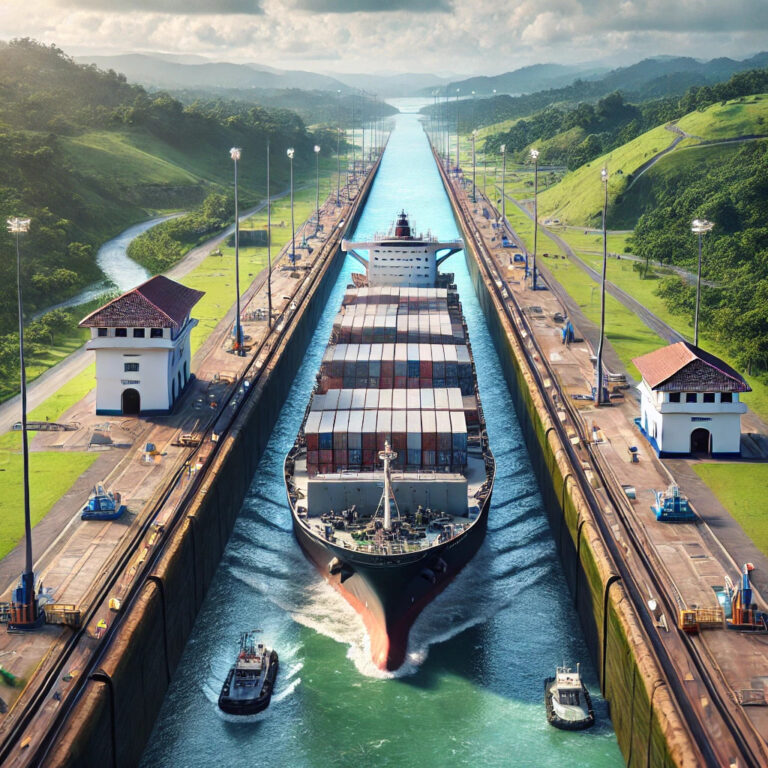
When you think of one of the <a href=”https://www.chusmeando.com/preguntas-y-respuestas/sentinel-del-norte-la-isla-mas-misteriosa-del-world/” title=”Sentinel del Norte, la isla más misteriosa del mundo”>most impressive engineering works in the world, what comes to mind? Probably one of the first examples that comes to you is the Panama Canal. This megaengineering work not only connects two oceans, but has also revolutionized maritime transportation, and is, without a doubt, one of the greatest achievements in the history of humanity.
I recommend you check out this interesting article: DJI Mavic 4 Pro: The Best Kept Secret of the Skies.
The Panama Canal is much more than a simple navigation route. This monumental mega infrastructure monumental is a testament to the innovations technological that marked an era, forever transforming global trade. Imagine for a moment the magnitude of this project, a construction that faced challenges unlike any other, from the involvement of French engineers, to the monumental task carried out by the Americans to complete the work.
Did you know that this canal was conceived in its time as a connection between the Atlantic and Pacific Oceans, allowing ships to travel more directly and quickly without needing to go around the entire continent? Without a doubt, a milestone in the history of engineering and maritime transportation.
The history of the construction of the Panama Canal is fascinating, isn’t it? The challenges were endless, from the tropical diseases that decimated the workers to the enormous technical problems that arose when trying to open the passage between two seas. But the most impressive thing is how, despite all those obstacles, one of the most complex engineering projects in the world was completed.
Today, the Panama Canal remains a benchmark of architectural achievement and technology, and continues to be key to international trade. Every day, thousands of ships cross its waters, making the exchange of products between continents possible more efficiently. It is an achievement that is still being studied by engineers and architects from all over the world, and that, even after more than a century of existence, remains crucial to the functioning of the global economy.
If you have ever had the opportunity to see the Canal up close, you will know that there is something in the air that makes you feel awe and respect for the magnitude of what was achieved. This mega engineering was made possible thanks to the technological innovations in construction, which in their time were absolutely cutting-edge. From the creation of giant locks to the drainage systems that were implemented to prevent flooding, every detail was meticulously thought out to guarantee its operation. And the most incredible thing of all is that it continues to function with the same purpose for which it was created, more than 100 years later.
The engineering behind the Panama Canal not only served to unite two oceans. It can be considered a symbol of human capacity to overcome seemingly impossible obstacles. Over time, this monumental engineering work has continued to evolve, with expansion projects such as the expanded Panama Canal, which allows the passage of larger ships, further improving its relevance to global trade.
But do we really know everything that lies behind the Panama Canal? The hidden stories, the secrets of its construction, the unknown achievements that engineers faced over the years. If you have the opportunity to visit Panama, you will not only enjoy the landscape, but you will also be standing before a mega work that has shaped the world as we know it today.
In short, the Panama Canal is more than a simple navigation route: it is an architectural and engineering achievement that continues to make a difference in all aspects of daily life, and that is the symbol of human capacity to achieve the unthinkable.
Frequently Asked Questions (FAQ) about the Panama Canal
The Panama Canal is an artificial navigation route that connects the Atlantic Ocean with the Pacific Ocean, crossing the Isthmus of Panama. Its importance lies in the fact that it allows a direct passage for ships, avoiding the long and dangerous route around South America. This has greatly facilitated world trade, reducing travel time and transportation costs.
- Who was responsible for the construction of the Panama Canal?
The construction of the Panama Canal was a monumental effort that involved two countries: France and the United States. The project was started by the French under the leadership of Ferdinand de Lesseps, but due to financial problems and diseases, the work was abandoned. Later, the United States took control and completed the construction in 1914, under the direction of engineer John Frank Stevens and later, George W. Goethals.
- What were the main challenges in the construction of the Panama Canal?
The construction of the Panama Canal was marked by numerous challenges, among them tropical diseases such as malaria and yellow fever, which caused thousands of deaths among the workers. There were also great technical difficulties, such as water management and the design of the locks that would allow the passage of large ships. Despite these obstacles, the canal was completed thanks to technological innovations and the continuous effort of thousands of workers.
The Panama Canal has had a profound impact on world trade, allowing faster and more efficient passage for products traveling between continents. Over the years, it has facilitated the transport of goods, reducing costs and travel times. Today, it remains one of the most important shipping routes, handling thousands of ships annually.
The Panama Canal expansion, known as the Third Set of Locks Project, was completed in 2016 and allowed the passage of much larger ships, known as “Panamax”. This expansion was necessary to accommodate the increase in the size of cargo ships, adapting to the new needs of global trade and allowing greater efficiency in the transport of goods.
Yes, the Panama Canal remains an example of technological innovation. Despite having been inaugurated in 1914, improvements and adjustments continue to be implemented to maintain its efficiency. The last major innovation was the canal expansion, which incorporated new locks for larger ships. This type of progress shows how the canal continues to be an engineering marvel, even more than a century after its inauguration.
Since 1999, the Panama Canal has been under the control of the Panama Canal Authority (ACP), an autonomous entity of the Panamanian government. This transition occurred after the signing of the Torrijos-Carter Treaties in 1977, which established that Panama would take full control of the waterway in 1999.
- Is it possible to visit the Panama Canal?
Yes, the Panama Canal is one of the main tourist attractions in Panama. There are several observation points and museums where visitors can learn about the history and operation of the canal, and see how ships cross the locks. Additionally, some tours offer the possibility of seeing the canal from different perspectives, allowing you to appreciate its enormous infrastructure up close.