
Post actualizado el día September 27, 2026 by DeiviSanzPlay
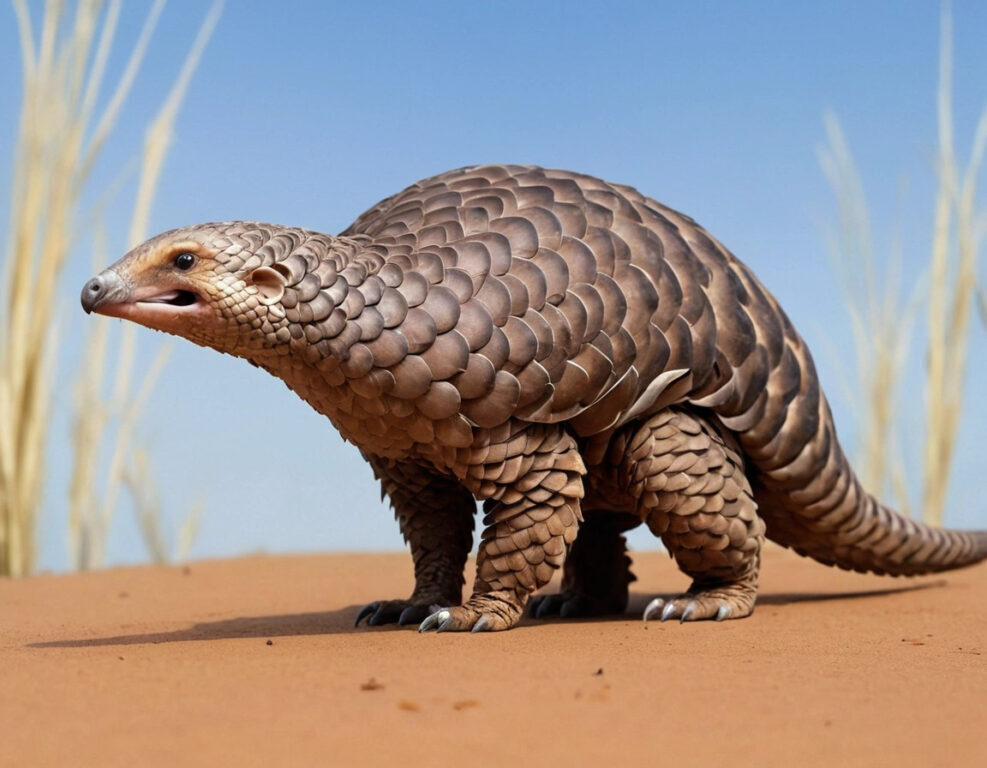
When we hear about the pangolin, we probably think of a strange and little-known animal, but this mammal actually has characteristics fascinating that make it unique in the animal kingdom. If you have ever had the opportunity to see a pangolin, you know that it has an unmistakable appearance, with its body covered in hard scales that protect it from predators. But beyond its appearance, there are many aspects of its life that catch our attention, such as its <a href="https://www.chusmeando.com/descubre-reino-animal/behavior-sexual-y-rituales-de-apareamiento-de-animales/” title=”Comportamiento Sexual Y Rituales De apareamiento De animales”>nocturnal behavior and its solitary nature.
I recommend you check out this interesting article: Complete Guide to Gmail: Solutions to Common Problems.
One of the most interesting aspects of the pangolin is that, despite being a mammal, it has very particular habits that make it stand out. First of all, it is a nocturnal animal, which means that most of its activity takes place during the night. This nocturnal behavior is closely related to its feeding and its need to avoid predators. The pangolin is mainly insectivorous, and its diet is based on a wide variety of insects, such as ants and termites, which it seeks during the hours of darkness. In this way, the pangolin ensures that its food is more accessible, while at the same time avoiding competition with other animals and staying safe from the dangers of the day.
The pangolin is known for being a solitary animal. Unlike many other species, which prefer to live in groups, the pangolin leads an independent life. Generally, it spends its time alone, digs burrows, and hides in them during the day to rest. This solitary behavior is characteristic of most species of pangolins, since, despite being social animals in some aspects, they prefer to live their lives in isolation, especially when it comes to finding food and protection.
But why is the pangolin nocturnal? The answer to this question is related to its survival instinct. As a small to medium-sized animal, the pangolin has adapted to nocturnal life to avoid predation. During the night, there are fewer active predators, which allows the pangolin to hunt with greater peace of mind. In addition, many of its prey, such as ants and termites, are also more active during the night, which makes the nocturnal cycle a perfect strategy for feeding.
As for its diet, the pangolin is known for its ability to consume large amounts of insects. Using its long claws, the pangolin digs into ant and termite nests, where it finds its main source of food. In addition, its extremely long and sticky tongue allows it to reach insects that hide in the hardest-to-reach places. This specialized diet has allowed the pangolin to thrive in various ecosystems, from tropical forests to dry savannas.
The <a href="https://www.chusmeando.com/descubre-reino-animal/cual-es-el-habitat-natural-de-las-ranas-y-donde-viven-comunmente/” title=”¿Cuál es el habitat natural de las ranas y dónde viven comúnmente?”>pangolin’s habitat varies depending on the species, but in general, these animals live in tropical and subtropical areas. From the jungles of Africa to the forests of Asia, the pangolin has managed to adapt to different types of habitats. On many occasions, it digs its own burrow in the ground or uses hollows in trees to take refuge. However, despite its adaptation to these habitats, the pangolin faces many threats due to poaching and the destruction of its natural habitat.
There are several species of pangolins, each with unique characteristics. The best known are the large-scaled pangolin, the small-scaled pangolin, and the Malayan pangolin. Although they share many similarities, there are significant differences in their size, habitat, and behavior. For example, the Malayan pangolin is one of the largest, while the small-scaled pangolin is smaller and is found mainly in Africa.
The behavior of the pangolin in the wild is fascinating and often unknown to many people. Although it is a shy and reserved animal, the pangolin can be very active when it comes to finding food. Its nocturnal habits make it ideal for exploring and searching for food during the hours when other animals are resting. Despite its apparent fragility, the pangolin has very effective defense mechanisms. If it feels threatened, it curls up into a ball, showing its sharp scales, which makes it a difficult animal to attack.
Despite being an extremely valuable animal for ecological balance, the pangolin faces serious conservation problems. In fact, it is in danger of extinction in many regions due to illegal hunting and animal trafficking. Its scales, used in traditional medicine, are one of the main reasons for it being hunted. In addition, the destruction of its natural habitat due to deforestation and urbanization is also seriously affecting pangolin populations.
In conclusion, the pangolin is a solitary and nocturnal animal with a series of unique characteristics that make it fascinating. From its specialized diet to its defensive behavior, this mammal has a series of adaptations that allow it to survive in a competitive environment. However, its future is in danger due to the threat of extinction, which makes protecting this species and its natural habitat even more important. If you ever have the opportunity to observe a pangolin, remember that you are not only seeing a fascinating animal, but also a species that needs our help to survive.