

Post actualizado el día September 27, 2026 by DeiviSanzPlay
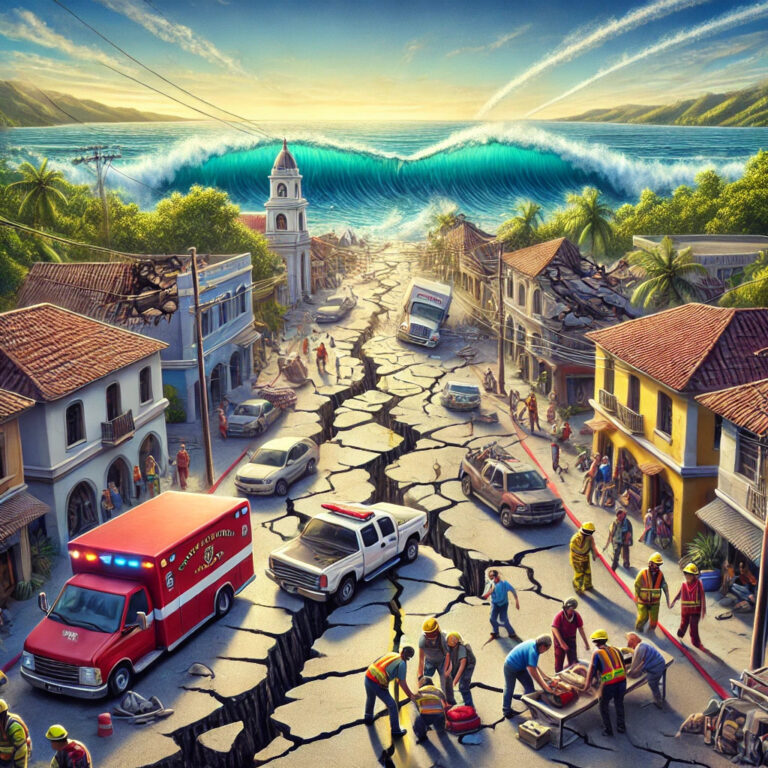
Today, something that seemed calm broke in the blink of an eye. <a href="https://www.chusmeando.com/preguntas-y-respuestas/que-es-un-earthquake-por-que-se-forman-y-como-se-miden/” title=”What is an earthquake, why do they form and how are they measured”>An earthquake of magnitude 6.3 surprised El Salvador and left half of Central America with their hearts in their throats. The earth spoke, and when it did, it left no doubt about its power. But what does this really mean for a region that lives under the constant shadow of the Pacific Ring of Fire?
I recommend you check out this interesting article: How pumpkin affects your health: benefits for cholesterol, the gut and much more.
Imagine this: just any Sunday, the sun shining as if nothing could go wrong. And suddenly, the ground starts to shake. It’s not just any movement. It’s one of those that shakes buildings, makes walls creak and awakens the worst memories of past seismic events.
The epicenter was 29 kilometers from Costa del Sol beach, a paradisiacal place that this time witnessed something much more unsettling. Constant aftershocks –at least 27, to be exact– kept people on alert, with magnitudes between 3.8 and 4.8. Can you imagine feeling that the ground won’t stay still beneath your feet?
Why is Central America so seismic?
El Salvador is no stranger to these events. Being in one of the most active zones of the planet, where the Cocos and Caribbean tectonic plates constantly collide, makes this small country a hot spot for telluric movements. But here’s the intriguing part: these earthquakes are not only inevitable, they are also essential for the balance of our planet.
Tectonic movements, recurring seismic events, and intense geological activity are terms that sound technical, but behind them hides a simple truth: the earth is alive, and sometimes, it screams loudly.
The impact beyond El Salvador
It wasn’t only El Salvador that felt this event. Guatemala, Honduras and Nicaragua reported tremors that made hearts and windows shake alike. In Guatemala, nine departments were on alert. In Honduras, the intensity was enough to be the main topic of the day. And in Nicaragua, experts from Ineter confirmed that this earthquake was part of the region’s natural activity.
But there is something fascinating about how these countries face earthquakes. In the midst of uncertainty, solidarity always shines stronger than any tremor.
Are we prepared for something bigger?
Here comes the important part. Every earthquake reminds us how fragile we are in the face of nature, but it also gives us an opportunity to prepare. Seismic safety measures such as having an emergency backpack, identifying evacuation routes, and reinforcing our homes are essential to living in harmony with such a temperamental earth.
If this earthquake has taught us anything, it’s that seismic prevention is not optional. How many times have you checked whether your house is safe? Do you have a plan with your family? These questions aren’t for tomorrow, they’re for now.
A call for reflection
This earthquake is a reminder that nature doesn’t warn us, it simply acts. And although it leaves us with intrigue and a certain fear, it also leaves us with a lesson: we can’t control the earth, but we can control how we respond.
El Salvador, and all of Central America, have a strength that goes beyond any earthquake: unity. When the earth trembles, the human spirit grows stronger.