
Post actualizado el día September 30, 2026 by DeiviSanzPlay
Have you ever wondered who the pharaohs of Egypt really were and what power they wielded in ancient Egypt? We often think of them as imposing figures, surrounded by mystery and grandeur, but do we really know what they did? If we take a look at their history, we can see that the Egyptian pharaohs were not only monarchs, but also spiritual and military leaders and, above all, symbols of Egyptian culture.
I recommend you check out this interesting article: 🪴 5 PLANTS THAT IMPROVE AIR QUALITY AND HELP YOU SLEEP BETTER 🌙💤.
The Egyptian pharaohs were not simply rulers, but almost divine beings. In Egypt, the power of the pharaoh was tied to religion. They were considered living gods, tasked with maintaining the balance of the universe and harmony on Earth. Can you imagine living in an era when the pharaoh was not only your king, but also the intermediary between the gods and men? That was the role they played in Egyptian society. Their role was not only political, but also religious, which granted them absolute authority.
In ancient Egypt, the pharaohs had a crucial role in the <a href="https://www.chusmeando.com/preguntas-y-respuestas/que-es-la-siesta-como-se-integro-en-la-vida-diaria-en-espana-y-que-beneficios-y-desafios-presenta-esta-costumbre/” title=”Qué es la siesta, cómo se integró en la vida diaria en España y qué beneficios y desafíos presenta esta costumbre”>daily life of citizens. From the construction of majestic pyramids to the performance of religious rituals, their influence extended to all aspects of life. It is fascinating how figures like Tutankhamun or Ramesses II were not only the most important Egyptian rulers, but also symbols of divine power. The history of the Egyptian pharaohs is full of mysteries, from the secrets behind the tombs to the political decisions that still spark debates today.
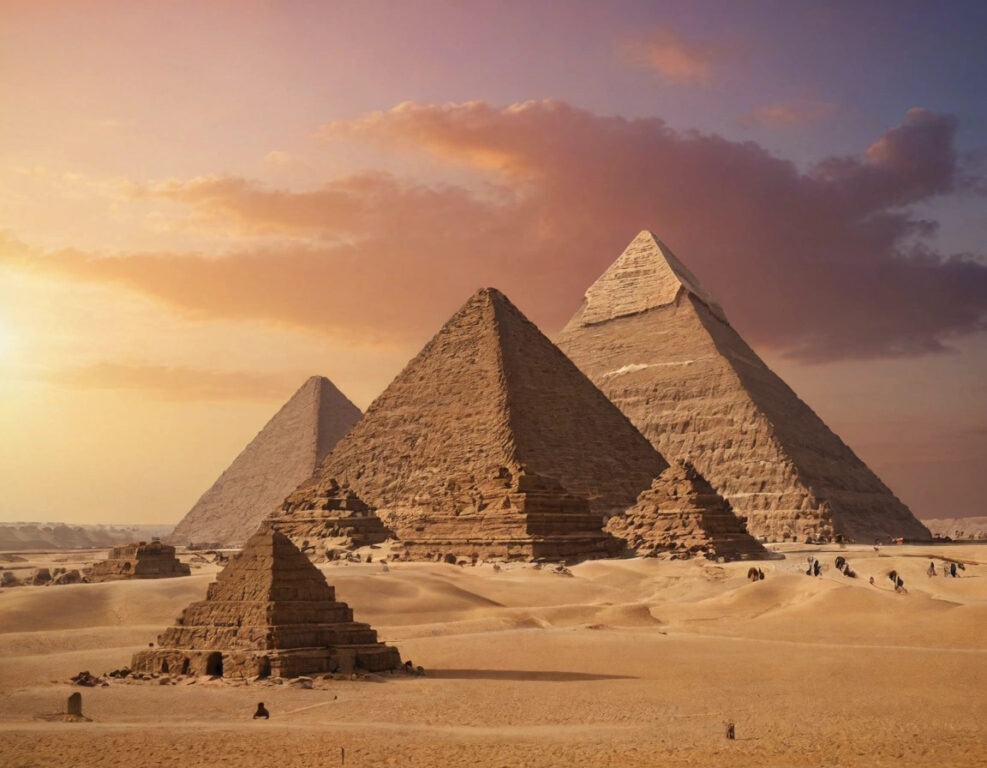
The interesting thing is how these rulers, despite their absolute power, also faced challenges. The pharaohs had to guarantee the stability of the kingdom, and that meant dealing with wars, economic crises and, of course, the complexities of Egyptian religious life. Many of them became famous for their achievements in battle or for the great constructions they left behind. For example, Khufu is remembered mainly for the Great Pyramid of Giza, one of the wonders of the ancient world.
The reign of the Egyptian pharaohs was marked by a series of deep beliefs, in which concepts of divine power and earthly governance were intertwined. The pharaohs were seen as the guardians of the law and the custodians of sacred traditions. Their life and their death had a profound impact on the stability of the country. If the pharaoh fell, it was believed that the balance of the cosmos was also affected. That is why the death of the pharaoh was not only a loss for Egypt, but was understood as a cosmic crisis.
Throughout history, we have heard of many famous Egyptian pharaohs, but each of them represented something more than a historical figure. They were divine beings, with the responsibility of keeping the power and religion intact in their kingdom. This approach to life and government made the Egyptian pharaohs something unique and fascinating in the history of humanity. Their legacy, although marked by mysteries and legends, is still alive today in our studies of ancient Egypt.
And the curious thing is that, despite all the knowledge we have about them, many secrets still remain. The pharaohs left such a vast legacy that the pyramids and monuments they built still inspire awe. What were the true motives behind their decisions? What did those great pyramids really mean? The answers are still there, waiting to be discovered, among the ruins of a lost empire.
1. What are the dynasties and Egyptian pharaohs?
The Egyptian dynasties were historical periods in which several pharaohs succeeded one another. The pharaohs were the leaders of Egypt, considered gods and absolute rulers.
2. What relationship exists between the Egyptians and the pharaohs?
The Egyptians were the people who lived in ancient Egypt, and the pharaohs were their rulers. The pharaohs had absolute power over Egyptian society.
3. Who were the Egyptian pharaohs and their wives?
The Egyptian pharaohs often married their sisters or women of the high nobility to ensure dynastic purity. Some wives also played an important role in politics.
4. How did the Egyptians represent their pharaohs and gods?
The Egyptians represented their pharaohs and gods in a stylized manner, with specific attributes and symbols. The pharaohs were often depicted with crowns, beards and regal garments.
5. Who were some of the most important Egyptian pharaohs of the 19th and 20th dynasties?
From the 19th dynasty, Ramesses II stands out, while from the 20th dynasty, Ramesses III is one of the best known.
6. Who were the most outstanding Egyptian pharaohs?
Some of the best-known Egyptian pharaohs are Ramesses II, Tutankhamun, Cleopatra, Akhenaten and Narmer.
7. What clothing did the Egyptian pharaohs wear?
The pharaohs wore luxurious clothing, such as linen tunics, crowns and jewels to reflect their divine status and their power.
8. What was the life of the Egyptian pharaohs like?
The Egyptian pharaohs lived surrounded by riches, ruled with absolute power, and had great palaces and temples. Their lives were filled with religious ceremonies and political responsibilities.
9. What was the life expectancy of the Egyptian pharaohs?
The life expectancy of the Egyptian pharaohs varied, but many died young due to illness or political intrigue.
10. Who were the last Egyptian pharaohs?
The last Egyptian pharaohs were Cleopatra VII and Ptolemy XIII, who ruled until the Roman conquest.
11. Why did the Egyptians mummify their pharaohs when they died?
Mummification was a religious process to preserve the body and allow the pharaoh to continue ruling in the afterlife.
12. How did the Egyptians embalm their pharaohs?
The embalming process involved removing the organs, drying the body with salts, and using resins to preserve the pharaoh’s form.
13. What region did the Egyptian pharaohs dominate?
The Egyptian pharaohs ruled mainly over Egypt, although during certain dynasties, their domains expanded to nearby territories such as Nubia and Syria.
14. What did the pharaohs symbolize for the Egyptians?
The pharaohs were considered living gods, representatives of the gods on earth, tasked with maintaining cosmic order.
15. What types of tombs were built for the Egyptian pharaohs?
The pharaohs’ tombs were monumental, such as the pyramids, or in the Valley of the Kings, where sarcophagi and mummies were found.
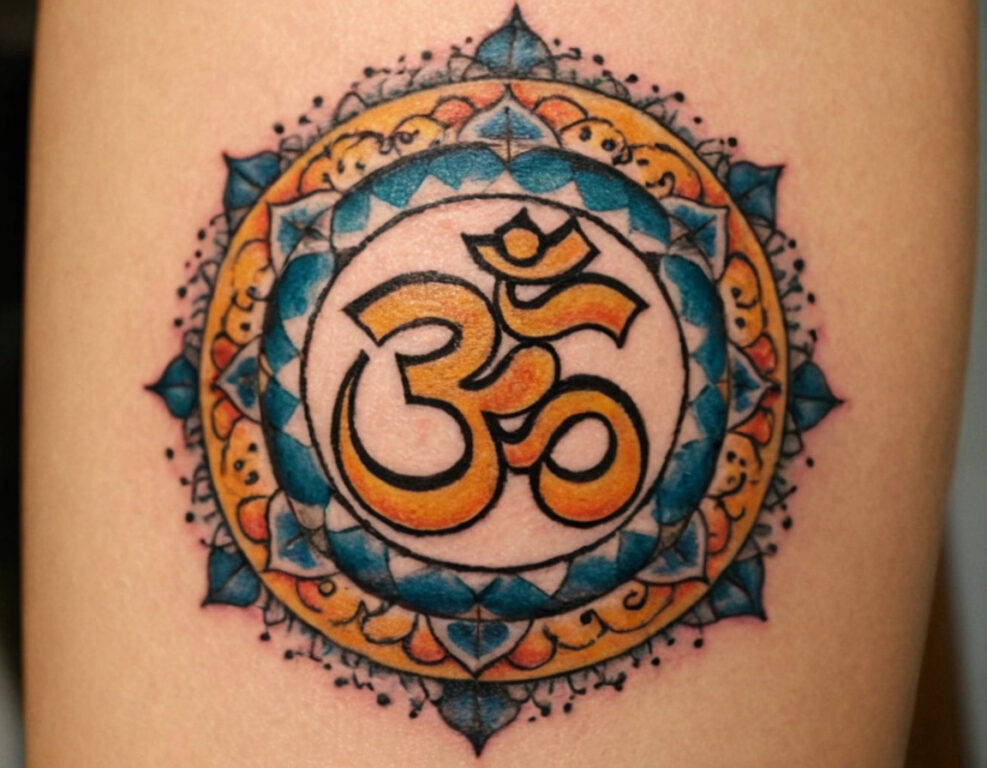
16. What were the tattoos of the Egyptian pharaohs?
Some Egyptian pharaohs wore tattoos that symbolized power, protection, and a connection with the gods.
17. What garments did the Egyptian pharaohs wear?
The pharaohs’ garments were luxurious and made of linen, decorated with jewels and symbols of royalty.
18. Why did the Egyptian pharaohs order the construction of pyramids?
The pyramids were built as monumental tombs for the pharaohs, where they could achieve immortality.
19. What were the most common names among the Egyptian pharaohs?
Names such as Ramses, Tutankhamun, and Cleopatra were common among the Egyptian pharaohs, and often reflected their relationship with the gods.
20. What importance did the sarcophagi of the Egyptian pharaohs have?
The sarcophagi were essential for mummification, providing a safe and sacred space for the pharaoh’s body.
21. What did the headdresses of the Egyptian pharaohs symbolize?
The headdresses, such as the crown of Upper and Lower Egypt, represented dominion over the two lands of Egypt and divine protection.
22. What do the symbols of the Egyptian pharaohs represent?
The symbols, such as the ankh or the Eye of Horus, represented life, protection, and divine power.
23. How was the succession of the Egyptian pharaohs organized?
Succession was generally hereditary, passing from the pharaoh to his son or, in some cases, to his wife or brother.
24. What powers did the Egyptian pharaohs have?
The pharaohs had absolute power, controlled politics, religion, and the army, and were considered intermediaries between the gods and the people.
25. What did the Egyptian pharaohs eat?
The Egyptian pharaohs enjoyed a diet rich in bread, beer, meat, vegetables, and fruits, with opulent banquets.
26. What skin color did the Egyptian pharaohs have?
Most Egyptian pharaohs were depicted with dark or brown skin, since Egypt was located in Africa.
27. What are the main movies about Egyptian pharaohs?
Some popular movies about Egyptian pharaohs include The Mummy, The Ten Commandments, and Cleopatra.
28. How did the Egyptian pharaohs dress?
The pharaohs dressed in elaborate clothing, crowns, and accessories of gold and precious stones, symbolizing their power and divinity.
29. Who were the first Egyptian pharaohs?
The first pharaohs were those of Dynasty 0, with Narmer (also known as Menes) being the unifier of Egypt.
30. What were the powers of the Egyptian pharaohs?
The Egyptian pharaohs exercised absolute power, were religious, political, and military leaders, and were responsible for maintaining the balance of the world.
31. What role did Egyptian female pharaohs play?
Female pharaohs, such as Hatshepsut and Cleopatra, played roles of political leadership, although they often faced challenges because of their gender.
32. What was the curse of the Egyptian pharaohs?
The curse of the pharaohs refers to the legends that claimed that those who desecrated the royal tombs suffered terrible consequences.
33. What attributes of power did the Egyptian pharaohs have?
The pharaohs possessed attributes such as the crown, the scepter, the flail, and other symbols that demonstrated their authority and connection with the gods.
34. What are the names of the most important Egyptian pharaohs?
Some of the most important pharaohs of Egypt include Ramses II, Tutankhamun, Akhenaten, Cleopatra VII, and Amenhotep III, who played a crucial role in the country’s history.
35. What are the cartouches of the Egyptian pharaohs?
The cartouches were a hieroglyphic symbol used to frame the pharaoh’s name, especially on tombs and monuments. It represented royalty.
36. What is the meaning of the crown of the Egyptian pharaohs?
The pharaoh’s crown symbolized his authority and control over the two lands of Egypt: Upper and Lower Egypt. The headdress also represented divine protection.
37. How many Egyptian pharaohs existed?
Throughout Egypt’s history, there were more than 300 pharaohs who ruled from Dynasty 1 until the fall of the Egyptian empire.
38. How did the first Egyptian pharaohs emerge?
The first pharaohs emerged after the unification of Egypt under Narmer (Menes), who unified Upper and Lower Egypt around 3100 BC.
39. What do the names of the Egyptian pharaohs mean?
The names of the pharaohs, such as Ramses (which means “born of Ra”), often included elements related to the gods or significant events in their life or reign.
40. What attributes of power did the Egyptian pharaohs use?
The Egyptian pharaohs used scepters, crowns, flails, and other jewels and accessories, which symbolized their power over the people and their connection with the gods.
41. How did the Egyptian pharaohs dress?
The pharaohs dressed in linen tunics, often adorned with jewels, crowns, and other symbols of status. They also wore the false beard and headdresses to indicate their divinity and authority.
42. What were the main palaces of the Egyptian pharaohs?
The pharaohs lived in enormous palaces, such as the one at Amarna (belonging to Akhenaten) or the Palace of the Ramesses in Pi-Ramesses. These palaces were centers of political and religious power.
43. How were the Egyptian pharaohs buried?
The pharaohs were buried in monumental tombs, such as the pyramids or in the Valley of the Kings, with complex funerary rituals to ensure their immortality.
44. What type of music was listened to in the court of the Egyptian pharaohs?
Music in the court of the pharaohs included instruments such as the harp, the lyre, the lute, and drums. It was used in religious ceremonies and banquets.
45. What do the sculptures of the Egyptian pharaohs represent?
The sculptures of the Egyptian pharaohs, such as the colossal statues of Ramesses II, represent their divine power and absolute dominion, and were placed in temples and monuments.
46. What does it mean to dream about Egyptian pharaohs?
Dreaming about Egyptian pharaohs can symbolize power, authority, or a connection to the historical and spiritual past of Egypt. It can also reflect desires for control and dominion in one’s personal life.
47. What did the Egyptian pharaohs eat?
The pharaohs enjoyed a luxurious diet that included meat, bread, fruits, vegetables, wine, and beer. The food was prepared by the best chefs of the court.
48. How were the Egyptian pharaohs depicted in painting?
The pharaohs were depicted in paintings with idealized features, with solemn postures and facial characteristics that reflected their divine status, such as the false beard and the crown.
49. What was the influence of the Egyptian pharaohs on architecture?
The Egyptian pharaohs are famous for their monumental pyramids, temples, and tombs. Egyptian architecture reflected their power, divinity, and the importance of life after death.
50. What were the mummies of the Egyptian pharaohs?
The mummies of the Egyptian pharaohs were preserved through an embalming process, in order to ensure their immortality in the afterlife.
51. What did the symbols of the Egyptian pharaohs mean?
Symbols such as the ankh (symbol of life) and the Eye of Horus (symbol of protection) were commonly associated with the pharaohs, reflecting their connection with the gods.
52. Who are the most famous Egyptian pharaohs?
Among the most famous Egyptian pharaohs are Tutankhamun, Ramesses II, Cleopatra, Nefertiti, and Akhenaten, who left a significant mark on history.
53. What is the genealogy of the Egyptian pharaohs?
The genealogy of the Egyptian pharaohs spans many dynasties, beginning with the 1st dynasty and extending until the Roman conquest. Some pharaohs were sons, brothers, or husbands of other pharaohs.
54. What was the end of the Egyptian pharaohs?
The end of the Egyptian pharaohs occurred with the Roman conquest, when Cleopatra VII was defeated by Octavian, marking the end of the last pharaonic period.
55. What were the burials of the Egyptian pharaohs like?
The burials of the pharaohs were elaborate, including riches, food, and objects for the afterlife. The tombs were filled with religious and luxury artifacts.
56. What colors did the Egyptian pharaohs use in their clothing?
The Egyptian pharaohs used colors such as gold (symbol of divinity), white (purity), and red (vital energy), with adornments of precious stones.
57. What role did the Egyptian pharaohs have in religion?
The Egyptian pharaohs were considered living gods and had the responsibility of maintaining cosmic order, protecting Egypt, and ensuring the favor of the gods.
58. Why did the Egyptian pharaohs order the construction of pyramids?
The pyramids were built as monumental tombs for the pharaohs. They represented a means of ensuring their resurrection and protection in the afterlife.
59. What did the Egyptian pharaohs do to guarantee their legacy?
The Egyptian pharaohs built monuments, temples, and colossal tombs to guarantee that their memory and power would endure beyond their death.
60. What were the relationships between the Egyptian pharaohs and their subjects like?
The Egyptian pharaohs exercised absolute power, but they were also responsible for protecting their people and maintaining order and prosperity in Egypt.
61. What is the dynasty of the Egyptian pharaohs?
The dynasties of the Egyptian pharaohs are the historical periods during which a royal family ruled Egypt. Each dynasty has its own lineage and is recognized by a succession of pharaohs who shared ancestry.
62. What does the term Egyptian pharaoh mean?
The term “pharaoh” comes from the Egyptian word “per-‘aa,” which means “great house” and originally referred to the king’s palace. Over time, it became the title for the king of Egypt.
63. What was the mummification of the Egyptian pharaohs?
Mummification was the process the Egyptians used to preserve the pharaoh’s body after his death. This process involved the removal of the organs, the drying of the body with natron, and embalming to ensure eternal life.
64. How did the wives of the Egyptian pharaohs dress?
The wives of the pharaohs wore elegant linen garments, with adornments of jewels, crowns, and headdresses. Their clothing reflected their status and power within the Egyptian court.
65. What type of tattoos did the Egyptian pharaohs use?
The Egyptian pharaohs and other members of the court often wore tattoos that represented religious, power, or protection symbols, such as the Eye of Horus, ankh, or scarabs.
66. Why did the Egyptian pharaohs have so many wives?
The Egyptian pharaohs often married several women to consolidate political alliances, ensure descendants, and maintain power within the royal family.
67. What type of art did the Egyptian pharaohs create?
Egyptian art was deeply related to religion and the afterlife. The pharaohs commissioned statues, paintings, and reliefs that depicted them as divinities or as powerful beings.
68. What symbols did the Egyptian pharaohs use to demonstrate their power?
The Egyptian pharaohs used symbols such as the scepter, the flail, the crown, the false beard, and the ankh. These elements represented their divinity and their absolute power over Egypt.
69. How were the Egyptian pharaohs depicted in sculptures?
The sculptures of the Egyptian pharaohs were characterized by being highly stylized and rigid. The pharaohs were depicted with formal postures, idealized faces, and symbols of power, such as the crown or the scepter.
70. What were the pyramids of the Egyptian pharaohs?
The pyramids were monumental tombs built for the pharaohs and some of their nobles. These structures were symbols of the pharaoh’s divinity and power, and were believed to help the pharaohs on their journey to eternal life.
71. How were the Egyptian pharaohs chosen?
The pharaoh was generally a member of the royal family. Succession could be hereditary, but on occasion, the pharaoh chose his successor if he had no direct descendants or if the throne was left vacant.
72. What did the pharaoh do to protect Egypt from its enemies?
Egyptian pharaohs led military campaigns to expand and protect their borders. They used their military power, which included the army and strategy, to protect Egypt’s territory and riches.
73. Why did the Egyptian pharaohs build temples?
The Egyptian pharaohs built temples to honor the gods and ensure divine protection. These temples also served as places of worship and as demonstrations of the pharaoh’s greatness.
74. What was the genealogical line of the Egyptian pharaohs?
The genealogical line of the Egyptian pharaohs is the succession of pharaohs who belonged to the same family or dynasty. Pharaohs often married their close relatives to keep the bloodline pure.
75. Which animals were associated with the Egyptian pharaohs?
Egyptian pharaohs were often depicted with sacred animals such as the lion, the falcon, the scarab, and the dog. These animals represented various divine qualities or protective powers.
76. What was the daily life of an Egyptian pharaoh like?
The daily life of a pharaoh included overseeing the government, military campaigns, and religious ceremonies, as well as enjoying a luxurious lifestyle. They lived in palaces and enjoyed banquets and entertainment.
77. What were the main dynasties of the Egyptian pharaohs?
The main dynasties of the Egyptian pharaohs include the 18th Dynasty (with pharaohs such as Akhenaten and Tutankhamun), the 19th Dynasty (with Ramesses II), and the 20th Dynasty, among others.
78. What is the symbolism behind the false beards of the Egyptian pharaohs?
False beards were a symbol of divinity and authority. Although the pharaohs did not wear natural beards, the false beards represented their power over the gods and over the kingdom.
79. What importance did death have for the Egyptian pharaohs?
Death was seen as a transition to eternal life. The Egyptian pharaohs believed that, upon dying, their soul would travel to the afterlife, where it would be judged and, if worthy, would continue to rule in the other world.
80. What is the mummification of the Egyptian pharaohs?
Mummification was a process of preserving the bodies of the pharaohs to guarantee their survival in the afterlife. The process included the removal of organs, drying the body, and wrapping it in bandages.
81. How was the succession of the Egyptian pharaohs carried out?
The succession of the Egyptian pharaohs was an inherited process, generally passing the throne from father to son. However, on some occasions, there could be power disputes among members of the royal family.
82. What role did women play in Egyptian royalty?
Women in Egyptian royalty, such as Nefertiti and Cleopatra, played very important roles, sometimes ruling directly or acting as regents for their children.
83. What were the sarcophagi of the Egyptian pharaohs?
Sarcophagi were large stone chests or tombs where the pharaohs were buried. These sarcophagi were decorated with hieroglyphs and depictions of the pharaoh, as well as being crafted to protect the body.
84. What was the average lifespan of the Egyptian pharaohs?
The average lifespan of the Egyptian pharaohs was lower than it is today, since health conditions and environmental dangers reduced their life expectancy. However, some pharaohs lived to be 60 or 70 years old.
85. What was the curse of the Egyptian pharaohs?
The “curse of the pharaohs” is a myth referring to the belief that those who desecrated the tombs of the Egyptian pharaohs would suffer misfortune or death. The most famous curse was associated with the tomb of Tutankhamun.
86. How did the children of the Egyptian pharaohs live?
The children of the pharaohs lived in the royal court, enjoying a life of luxury, education, and training to take on roles of power in the administration or the army.
87. What was the education of the Egyptian pharaohs like?
The education of the Egyptian pharaohs focused on learning hieroglyphic writing, the military arts, the administration of the kingdom, and religious teachings. Future pharaohs received tutoring from priests and wise men.
88. What was the importance of the gods in the lives of the Egyptian pharaohs?
The Egyptian pharaohs were considered intermediaries between the gods and humans. Their role included not only ruling on the earthly plane but also acting on behalf of the gods to ensure cosmic harmony and prosperity in Egypt.
89. How were the Egyptian pharaohs depicted in paintings?
In paintings, the Egyptian pharaohs were depicted in an idealized manner, with solemn postures and rigid forms. They were shown with lighter or darker skin depending on their hierarchy, and with their royal clothing and adornments.
90. What type of crowns did the Egyptian pharaohs wear?
The Egyptian pharaohs wore different crowns, such as the white crown of the Upper Egypt region, the red crown of the Lower Egypt region, and the double crown (pschent) that combined both.
91. What was the politics of the Egyptian pharaohs like?
The pharaohs exercised absolute power, making key decisions in the administration of the kingdom, religion, and defense. The pharaoh was considered a living god and held the highest authority in all areas of government.
92. What did the figure of the sphinx mean to the Egyptian pharaohs?
The sphinx was a mythological figure that represented power and protection. It was frequently associated with the pharaoh as a symbol of strength and wisdom, especially in the context of the pyramids.
93. What materials did the Egyptian pharaohs use for their jewelry?
The Egyptian pharaohs used precious materials such as gold, gemstones (lapis lazuli, turquoise, coral), and silver to make jewelry, which served not only as adornment but also as a symbol of power and divinity.
94. Why did the Egyptian pharaohs order the construction of the pyramids?
The pyramids were built as monumental tombs for the pharaohs, in order to ensure that their souls reached eternal life. They also reflected the pharaoh’s divine power and his connection with the gods.
95. What were the “cartouches” of the Egyptian pharaohs?
Cartouches were oval symbols in which the names of the pharaohs were written. These cartouches were placed on monuments and temples as a way of immortalizing the pharaoh’s name.
96. How did the Egyptians treat sacred animals, such as cats?
Cats were venerated in ancient Egypt, especially because they were believed to protect granaries and the home. Bastet, the goddess of the home, music, and protection, was depicted as a woman with a cat’s head.
97. How were the burials of the Egyptian pharaohs conducted?
The Egyptian pharaohs were buried with great pomp in elaborate tombs, which contained riches, ceremonial objects, food, and personal belongings, all intended to accompany them in eternal life.
98. What type of music was used in the court of the Egyptian pharaohs?
Music in the court of the Egyptian pharaohs played an important role in religious ceremonies and banquets. Instruments such as the lyre, the lute, the harp, and drums, among others, were used.
99. Why are the pyramids aligned with the stars?
The Egyptian pyramids were precisely aligned with certain stars, especially the North Star and the constellation of Orion, because it was believed that the pharaohs became gods after their death and joined with these stars.
100. What were the powers of the Egyptian pharaohs?
The Egyptian pharaohs held absolute powers over government, laws, religion, and the army. They were considered living gods and were responsible for maintaining the cosmic balance in Egypt (the “maat”).
101. What kind of instruments did the Egyptian pharaohs use in their religious ceremonies?
In religious ceremonies, the Egyptian pharaohs used a variety of instruments, including the sistrum (a percussion instrument), the lyre, flutes, and other objects to invoke the gods and ensure the prosperity of the kingdom.
102. How did religion influence the lives of the Egyptian pharaohs?
Religion played a central role in the lives of the Egyptian pharaohs. In addition to being the intermediaries between the gods and the people, the pharaohs were responsible for ensuring that religious cults remained active and that the correct ceremonies were performed.
103. What was “maat” for the Egyptian pharaohs?
“Maat” represented the concept of truth, justice, and cosmic order. The Egyptian pharaohs had the responsibility of maintaining maat during their reign, which ensured them the favor of the gods.
104. What type of architecture did the Egyptian pharaohs build?
The Egyptian pharaohs were known for their monumental architecture. In addition to the pyramids, they built temples, palaces, and obelisks dedicated to the gods and to the greatness of the pharaoh.
105. What was the clothing of the Egyptian pharaohs like?
The clothing of the Egyptian pharaohs consisted of linen tunics, sandals, and various accessories such as jewelry and crowns. They also wore a false beard and a royal headdress to highlight their divine status.
106. Who were the most important pharaohs of Egypt?
Among the most important pharaohs of Egypt are Ramesses II, Tutankhamun, Akhenaten, Cleopatra, and Thutmose III, who marked periods of great prosperity or significant changes in Egyptian history.
107. What role did priests play in the reign of the Egyptian pharaohs?
Priests played a crucial role in the court of the pharaohs, assisting in religious ceremonies and in the administration of the temples. They were also responsible for maintaining the favor of the gods toward the pharaoh and the people.
108. What happened to the pharaohs after their death?
After their death, the Egyptian pharaohs were mummified and buried with a large number of valuable objects, food, and offerings. Their soul traveled to the afterlife, where it would be judged by Osiris, and if it was worthy, it would live eternally.
109. How did Egyptian female pharaohs dress?
Female pharaohs, such as Cleopatra, wore luxurious clothing and jewelry. Their attire was similar to that of male pharaohs, but with details such as headdresses, diadems, and necklaces that reflected their position.
110. Why was mummification so important for the Egyptian pharaohs?
Mummification was essential because the Egyptians believed that the body had to be preserved so that the pharaoh’s soul could reunite with the gods and enjoy eternal life in the afterlife.
111. What was the name of the pharaoh who built the temple of Karnak?
The temple of Karnak was built and expanded by several pharaohs, but the most prominent pharaoh who built it was Ramesses II. The Karnak complex was expanded under his reign and is one of the largest temples in Egypt.
112. What was the coronation process of an Egyptian pharaoh like?
The coronation process of a pharaoh was a religious and political ceremony in which the king was granted the royal insignia, such as the crown, the scepter, and the flail. The ceremony also included rituals in the temples to guarantee the support of the gods.
113. What did the “Eagle” mean for the Egyptian pharaohs?
The eagle was a symbol of power and protection. In the iconography of the pharaohs, it was used to symbolize the sovereignty and strength of the ruler, who saw himself as the protector of his kingdom.
114. Why did the Egyptian pharaohs wear a false beard?
The Egyptian pharaohs wore a false beard as a symbol of their divinity and power. The beard represented virility and authority, as well as being an element associated with the gods, especially with Osiris.
115. What type of weapons did the Egyptian pharaohs use?
The Egyptian pharaohs used various weapons in war, such as bows, swords, spears, and axes. They also used war chariots during battles to increase their mobility and effectiveness on the battlefield.
116. What events did the Egyptian pharaohs celebrate?
The Egyptian pharaohs celebrated various events, such as the “Heb-Sed,” which was a ceremony for the renewal of the pharaoh’s power. Religious festivals dedicated to the gods were also celebrated, such as the festival of Opet.
117. Who were the first Egyptian pharaohs?
The first Egyptian pharaohs were the rulers of the First Dynasty, among whom are Narmer (also known as Menes), who unified Upper and Lower Egypt, and Djoser, known for the construction of the famous step pyramid.
118. What importance did hieroglyphic writing have for the Egyptian pharaohs?
Hieroglyphic writing was essential for the Egyptian pharaohs, since it allowed them to record historical events, royal decrees, and religious rituals. It was also used on tombs and monuments to ensure the pharaoh’s immortality through the inscription of his name.
119. Why were the pyramids built?
The pyramids were built as monumental tombs for the pharaohs and as a means to guarantee their ascension to the afterlife. These structures helped ensure that the pharaoh continued his divine reign even after death.
120. Who were the most famous pharaohs of Egypt?
Some of the most famous pharaohs of Egypt include Tutankhamun, Ramesses II, Cleopatra, Akhenaten, and Nefertiti, each of whom had a significant impact on Egyptian history, whether through their military power, religious changes, or cultural influence.
121. What were the “step pyramids”?
Step pyramids are the oldest type of pyramid in Egypt, and they are characterized by having several levels or steps. The most famous of these is the pyramid of Djoser at Saqqara, which was designed by the architect Imhotep.
122. Who was the youngest pharaoh of Egypt?
The youngest pharaoh of Egypt was Tutankhamun, who ascended to the throne at the age of nine and ruled until his death at 18. Although his reign was short, his tomb was discovered intact, which gave him immense fame in modern archaeology.
123. What was the family of the Egyptian pharaohs like?
The family of the Egyptian pharaohs was of great political importance. The pharaohs generally married within the royal family to maintain the purity of their lineage. In addition, the pharaoh’s children were educated to assume leadership in case the pharaoh died.
124. What type of monuments did the Egyptian pharaohs build?
The Egyptian pharaohs built grand monuments, such as temples, pyramids, obelisks, and statues, to commemorate their power, their relationship with the gods, and their eternal legacy. These monuments also served to ensure their memory for future generations.
125. Who was the pharaoh Ramesses II?
Ramesses II, known as Ramesses the Great, was one of the most important pharaohs in Egyptian history. He ruled for 66 years and is known for his military victories, the construction of monuments, and the signing of the first documented peace treaty in history with the Hittites.
126. How did the wives of Egyptian pharaohs influence the government?
The wives of Egyptian pharaohs often played an important role in the royal court, especially in the realm of religion. Some wives became highly influential politically, such as Nefertiti, the wife of Akhenaten, who played a prominent role in Egypt’s religious transformation.
127. What did the Eye of Horus represent for Egyptian pharaohs?
The Eye of Horus was a symbol of protection and power. For the pharaohs, this amulet provided them with security and helped them maintain their health and well-being. It also symbolized restoration and rebirth.
128. How many Egyptian pharaohs have existed?
Throughout Egypt’s history, there were more than 170 pharaohs, although the exact number may vary depending on the dynasties and the periods of unification or fragmentation of the country.
129. What type of chariots did Egyptian pharaohs use?
Egyptian pharaohs used war chariots, which were light vehicles pulled by horses, to move quickly during battles. These chariots were equipped with bows and spears for combat.
130. How was the government of the Egyptian pharaohs organized?
The government of the Egyptian pharaohs was organized hierarchically, with the pharaoh at the top, followed by a class of officials and priests who helped administer the kingdom, organize trade, and carry out religious rituals.
131. Why were the mummies of Egyptian pharaohs wrapped in bandages?
The mummies of Egyptian pharaohs were wrapped in bandages as part of the mummification process. The purpose was to preserve the body for the afterlife, ensuring that the pharaoh could live eternally. The bandages were impregnated with resins and oils to prevent decomposition.
132. What type of jewelry did Egyptian pharaohs wear?
Egyptian pharaohs wore a variety of jewelry, including necklaces, bracelets, rings, and diadems. This jewelry was made of gold, precious stones, and semiprecious stones, and often featured religious and power symbols.
133. What were the sarcophagi of Egyptian pharaohs?
Sarcophagi were stone coffins where the mummies of pharaohs were placed. They were decorated with inscriptions and reliefs depicting the pharaoh and the gods, ensuring their protection in the afterlife.
134. What were the powers of Egyptian pharaohs?
Egyptian pharaohs had absolute powers, both in the political and religious spheres. They were considered gods on Earth, responsible for maintaining cosmic order (maat) and the well-being of their people.
135. How did religion affect the power of Egyptian pharaohs?
Religion played a crucial role in the legitimacy of the pharaohs’ power. Since pharaohs were considered direct descendants of the gods, their authority was deeply tied to divine will. Pharaohs were responsible for performing rituals and maintaining cosmic order.
136. How did Akhenaten influence pharaonic Egypt?
Akhenaten is known for his attempt to establish monotheism in Egypt, worshiping only the god Aten. During his reign, a religious revolution took place that dismantled the traditional system of multiple gods, although this reform was quickly reversed after his death.
137. What was the clothing of Egyptian pharaohs like?
The clothing of Egyptian pharaohs was opulent and designed to reflect their power and divine status. Pharaohs wore linen tunics, crowns, headdresses, and gold ornaments. They were also seen with the famous false beard as a symbol of their divinity.
138. What were the most important dynasties of Egyptian pharaohs?
The most important dynasties were the Third Dynasty (which began the construction of the pyramids), the Eighteenth Dynasty (famous for figures such as Akhenaten and Tutankhamun), and the Nineteenth Dynasty (with Ramesses II, one of the greatest pharaohs of Egypt).
139. What did Egyptian pharaohs eat?
The diet of Egyptian pharaohs consisted mainly of bread, beer, meat (such as beef, lamb, and pork), fish, fruits, vegetables, and honey. They also consumed wines and other crafted liquors.
140. Who was Pharaoh Ramesses III and what did he do?
Ramesses III was a prominent pharaoh of the Twentieth Dynasty. He is known for defending Egypt against the invasions of the Sea Peoples and for undertaking important constructions, such as the temple of Medinet Habu.
141. What relationship did Egyptian pharaohs have with the gods?
Egyptian pharaohs were considered living gods, the intermediaries between the gods and human beings. They were responsible for maintaining the balance between the earthly and divine worlds, performing religious ceremonies to appease the gods and ensure the prosperity of Egypt.
142. Who was Cleopatra VII and why is she famous?
Cleopatra VII was the last queen of Egypt and one of the most well-known figures in history. Her political skill and her alliances with Roman figures such as Julius Caesar and Mark Antony marked her reign, but after the defeat against Rome, Egypt became a Roman province.
143. How did Egyptians depict their pharaohs in art?
In Egyptian art, pharaohs were depicted in an idealized manner, with rigid proportions and stylistic norms that showed them majestically, with a hieratic posture and in the presence of gods or symbols of power.
144. Why did Egyptians believe that pharaohs were gods?
Egyptians believed that pharaohs were gods because they considered them the incarnation of Horus, the god of the sky. As intermediaries between humans and the gods, pharaohs had the duty to maintain cosmic order and the well-being of their people.
145. What are the most famous pyramids built by Egyptian pharaohs?
The most famous pyramids are those of Giza, built during the Fourth Dynasty, including the Great Pyramid of Giza, built by Pharaoh Khufu. The pyramid of Saqqara from the Third Dynasty, known as the Step Pyramid, also stands out.
146. What was the importance of the tombs of Egyptian pharaohs?
The tombs of Egyptian pharaohs were vital to ensuring their journey to the afterlife and their immortality. Pharaohs were buried with numerous objects, such as food, clothing, jewelry, and other possessions they would need in the life after death.
147. What type of monuments did Egyptian pharaohs build?
Egyptian pharaohs built a variety of monuments, such as pyramids, temples, obelisks, and statues. These monuments served to commemorate the pharaohs and guarantee their immortality.
148. What was the role of priests during the reign of Egyptian pharaohs?
Priests played a crucial role in the government of Egypt, as they were responsible for religious rituals, the temples, and religious education. Pharaohs depended on them to ensure the favor of the gods.
149. What were the beliefs about the afterlife for Egyptian pharaohs?
Egyptian pharaohs believed that the afterlife was a continuation of earthly existence. To that end, they prepared meticulously, building tombs and performing rituals to ensure that their soul could reach the afterlife and reunite with the gods.
150. What is the “Eye of Horus” and what did it mean for the pharaohs?
The “Eye of Horus” was an ancient Egyptian symbol associated with protection, health, and power. For the pharaohs, the Eye of Horus represented their link with the gods and their ability to rule with justice and wisdom.
151. What is an Egyptian pharaoh’s cartouche?
The cartouche is an oval shape that surrounded the names of Egyptian pharaohs in hieroglyphic inscriptions. This symbol represented eternity, and its use indicated that the pharaoh was considered eternal and divine.
152. What were the crowns of the Egyptian pharaohs called?
The crowns of the Egyptian pharaohs had specific names. The “White Crown” represented Upper Egypt, while the “Red Crown” represented Lower Egypt. When they were united, they formed the “Double Crown,” which symbolized the union of both kingdoms.
153. What does it mean to dream about Egyptian pharaohs?
Dreaming about Egyptian pharaohs can be interpreted as a sign of power, authority, or a connection to the past and mystery. It can also symbolize a connection to ancestral wisdom or the desire to achieve success and recognition.
154. What is the role of Egyptian pharaohs’ mummies in archaeology?
The mummies of Egyptian pharaohs are fundamental to archaeologists because they provide invaluable information about mummification practices, health, and the religious beliefs of the time. They also help identify the genealogies of Egyptian dynasties.
155. What are the curses of the Egyptian pharaohs?
The curses of the Egyptian pharaohs are myths that say people who desecrated the tombs of the pharaohs, such as those of Tutankhamun, would suffer fatal consequences. These stories, although popular in modern culture, are often based on superstitions and have no scientific basis.
156. How were Egyptian pharaohs mummified?
The mummification of pharaohs was an elaborate process that included the removal of organs, treating the body with resins and oils, and wrapping it in bandages. The heart was left in the body or removed depending on the pharaoh’s beliefs about the afterlife.
157. What type of music did the Egyptian pharaohs listen to?
Music in ancient Egypt played an important role in religious ceremonies and in the pharaoh’s court. Instruments such as the harp, the lute, and the flute were common. Music was used to pay homage to the gods and to accompany rituals and celebrations.
158. How did the Egyptians depict pharaohs in paintings and sculptures?
Egyptian pharaohs were depicted in paintings and sculptures with an upright posture, with great seriousness and majestic adornments such as crowns and royal clothing. Additionally, the figures usually followed a convention of proportions, with pharaohs shown as larger than others to reflect their status.
159. What was the daily diet of an Egyptian pharaoh?
The diet of an Egyptian pharaoh consisted mainly of carbohydrate-rich foods such as bread and barley, as well as meats such as beef and poultry, fish, fruits (dates, figs), and vegetables. Common beverages included beer and wine.
160. Which animals were considered sacred by the Egyptian pharaohs?
Several animals were considered sacred in ancient Egypt. Cats, for example, were associated with the goddess Bastet and venerated. Crocodiles, bulls, and falcons also had important religious significance, associated with different gods.
161. What type of clothing did the Egyptian pharaohs wear?
Egyptian pharaohs wore clothing made of linen, a cool material suitable for Egypt’s hot climate. Their clothing included long tunics, headdresses, crowns, and gold adornments. They also wore sandals and often had a false beard.
162. What were the tombs of the Egyptian pharaohs like?
The tombs of Egyptian pharaohs were monumental and designed to protect the pharaoh in his afterlife. These tombs included burial chambers, offerings, and were often filled with precious objects, such as jewelry, statues, and food.
163. How many Egyptian pharaohs ruled during Egypt’s history?
Throughout Egypt’s history, there were more than 170 pharaohs. These monarchs ruled from the unification of Egypt in the 1st Dynasty until the Roman invasion, which marked the end of the pharaonic period.
164. What were the funerals of the Egyptian pharaohs like?
The funerals of Egyptian pharaohs were elaborate ceremonies. They included religious rituals, music, and the mummification process. After the pharaoh’s death, great processions were held toward the tomb, which was located in places such as the Valley of the Kings.
165. What did the tattoos of the Egyptian pharaohs mean?
The tattoos of Egyptian pharaohs were not only decorative but also had a religious or symbolic meaning. They often represented divine protection or status. They were used by both men and women of royalty.
166. Who were the most important pharaohs of Egypt?
Some of the most important pharaohs of Egypt include Ramesses II, Akhenaten, Tutankhamun, Cleopatra VII, and Narmer, the pharaoh who unified Egypt. Each of them left a significant mark on Egypt’s history.
167. What symbols did the Egyptian pharaohs use?
Egyptian pharaohs used various symbols to represent their power and divinity. Among them were the “Ankh” (symbol of life), the “Eye of Horus” (protection), and the “Uraeus Cobra” (symbol of sovereignty).
168. What type of architecture did the Egyptians build to bury their pharaohs?
The Egyptians built pyramids and monumental tombs, such as those in the Valley of the Kings, to bury the pharaohs. These structures were elaborate, with burial chambers filled with offerings and objects for the pharaoh’s afterlife.
169. Who was the pharaoh Tutankhamun and why is he famous?
Tutankhamun was one of the most well-known pharaohs, mainly because his tomb was discovered almost intact in 1922. Although his reign was brief, his tomb contains a large number of treasures that have fascinated the world.
170. Why were the pyramids built for the Egyptian pharaohs?
The pyramids were built as monumental tombs for the pharaohs. The Egyptians believed that these gigantic structures helped the pharaoh ascend to the sky and unite with the gods, ensuring his eternal life.
171. What were the first Egyptian pharaohs called?
The first Egyptian pharaohs were the monarchs of Egypt’s first dynasties. The first known pharaoh is Narmer (also known as Menes), who unified Upper and Lower Egypt around 3100 BC. This event marked the beginning of Egypt’s dynastic period.
172. What does the word “pharaoh” mean?
The word “pharaoh” comes from the Egyptian term “per-aa,” which means “great house” and referred to the king’s palace. Over time, this term came to be used to refer to the king or monarch himself.
173. What attributes of power did the Egyptian pharaohs have?
Egyptian pharaohs were considered the representatives of the gods on Earth. They had absolute control over government, religion, the army, and the economy. They used symbols of power such as the “Uraeus Cobra,” which represented divine protection, and the “Ankh,” symbol of eternal life.
174. What type of clothing did the Egyptian pharaohs wear in their ceremonies?
Egyptian pharaohs wore rich and elaborate garments, made of linen, with gold and precious stone adornments. In ceremonies, they wore headdresses, crowns, and amulets that represented their power and divine status.
175. What was the relationship between the Egyptian pharaohs and their gods?
Egyptian pharaohs were considered living gods, and their role was to maintain cosmic order (Maat) through the worship and respect of the gods. They were attributed the power to intercede between the gods and human beings, and many pharaohs identified themselves with specific gods, such as Horus or Ra.
176. What is known about the wives of the Egyptian pharaohs?
The wives of the pharaohs played an important role in the royal court. Many of them were responsible for internal administration and for producing heirs to the throne. Some wives, such as Nefertiti and Cleopatra VII, had great political influence.
177. Why did the Egyptian pharaohs build pyramids?
The pyramids were built to serve as tombs for the pharaohs, allowing them to reach eternal life in the afterlife. These monuments were seen as a means to ensure the pharaoh’s journey to the afterlife, where he would unite with the gods.
178. What foods did the Egyptian pharaohs eat?
The diet of the Egyptian pharaohs included foods such as bread, barley, fruits, vegetables, beef, poultry, and fish. They also consumed wine, beer, and honey. Meats and dairy products were considered delicacies at royal dinners.
179. What were the sarcophagi of the Egyptian pharaohs?
Sarcophagi were elaborate coffins in which the bodies of the pharaohs were buried. These sarcophagi were usually made of materials such as stone, wood, or granite and were decorated with hieroglyphic inscriptions and religious symbols.
180. What relationship existed between the Egyptian pharaohs and the people?
Although the Egyptian pharaohs ruled absolutely, their legitimacy depended on maintaining the stability and well-being of the people. The pharaohs were seen as the guardians of cosmic order (Maat) and were responsible for ensuring the country’s prosperity through policies of agriculture, trade, and protection against enemies.
181. What did the Egyptian pharaohs do to stay in power?
The Egyptian pharaohs maintained their power through a centralized government, control of resources, and the construction of monuments that demonstrated their greatness. In addition, marriage alliances, such as unions with other royal families, helped consolidate their dominion.
182. What were the mummies of the Egyptian pharaohs like?
The mummies of the Egyptian pharaohs were created through a preservation process that included the removal of internal organs, the treatment of the body with resins, and wrapping in bandages. These mummies were placed in sarcophagi and buried along with offerings to guarantee the pharaoh’s eternal life.
183. What were the main dynasties of the Egyptian pharaohs?
The most significant dynasties in Egyptian history were the 18th Dynasty (which included Tutankhamun and Akhenaten), the 19th Dynasty (with Ramesses II), and the 30th Dynasty (the last independent period of Egypt before the Roman conquest).
184. What powers did the Egyptian pharaohs have over religion?
The Egyptian pharaohs were responsible for maintaining religious rituals, building temples dedicated to the gods, and ensuring Egypt’s prosperity through offerings and ceremonies. They were considered intermediaries between the gods and the people.
185. How did the Egyptian pharaohs dress in their daily lives?
In their daily lives, the Egyptian pharaohs wore simple linen tunics. These garments were light and adapted to Egypt’s hot climate. For ceremonies or important events, adorned elements such as crowns, jewels, and headdresses were added.
186. What type of jewelry did the Egyptian pharaohs wear?
Jewelry was a symbol of status and power for the Egyptian pharaohs. They wore necklaces, bracelets, rings, and diadems made of gold, lapis lazuli, turquoise, and other precious stones. Jewelry not only adorned but was also used as spiritual protection.
187. Why did the Egyptian pharaohs have so many wives?
The Egyptian pharaohs often married several women to strengthen their political power and ensure the descendants of their dynasties. Marriage unions with other royal or noble families served as strategic alliances.
188. What was the education of the Egyptian pharaohs like?
The education of the pharaohs was comprehensive and private, focused on religion, administration, and the arts. Future monarchs were trained to govern and administer Egypt, learn the laws and religious traditions, and handle military affairs.
189. What role did Egyptian women pharaohs play?
Women pharaohs, such as Hatshepsut and Cleopatra, played key roles in the politics and government of Egypt. Although women were not commonly pharaohs, some reached power as regents or even as monarchs, ruling Egypt with great skill.