

Post actualizado el día September 27, 2026 by DeiviSanzPlay
You have surely heard of Chernobyl, one of the largest nuclear disasters in history. But what happened at Chernobyl exactly? Beyond the dramatic images shown in movies and documentaries, the reality is much more complex and terrifying. The tragedy of Chernobyl occurred in 1986, when one of the most important nuclear plants in the Soviet Union suffered a catastrophic explosion, releasing enormous amounts of radiation into the environment.
I recommend you check out this interesting article: How the crocodile moves.
The effects of the Chernobyl disaster were devastating. The explosion at reactor number four of the plant left a trail of radioactive contamination that affected not only Ukraine, but several countries in Europe. The Chernobyl tragedy in 1986 marked a before and after in the history of energy nuclear and, above all, in the way humanity deals with the dangers of radiation. But why did this happen? What were the causes of such a great disaster?
The story behind the Chernobyl explosion is fascinating and chilling. It was a combination of human failures, design flaws in the reactor, and a series of wrong decisions that led to the tragedy. The technicians in charge of the plant were conducting a safety test without the proper measures, which caused a chain reaction that culminated in a massive explosion. The impact of Chernobyl radiation was not only immediate, but extended for decades, affecting the health of thousands of people and causing the evacuation of entire areas.
Now then, many wonder how did Chernobyl affect people? The first to arrive at the disaster zone were the firefighters, who risked their lives to control the fire. Many of them died shortly after due to exposure to extremely high levels of radiation. But the effects of Chernobyl on health were not limited only to those first heroes. As radiation spread, it also affected the nearby population, causing an alarming rate of cancer and genetic malformations.
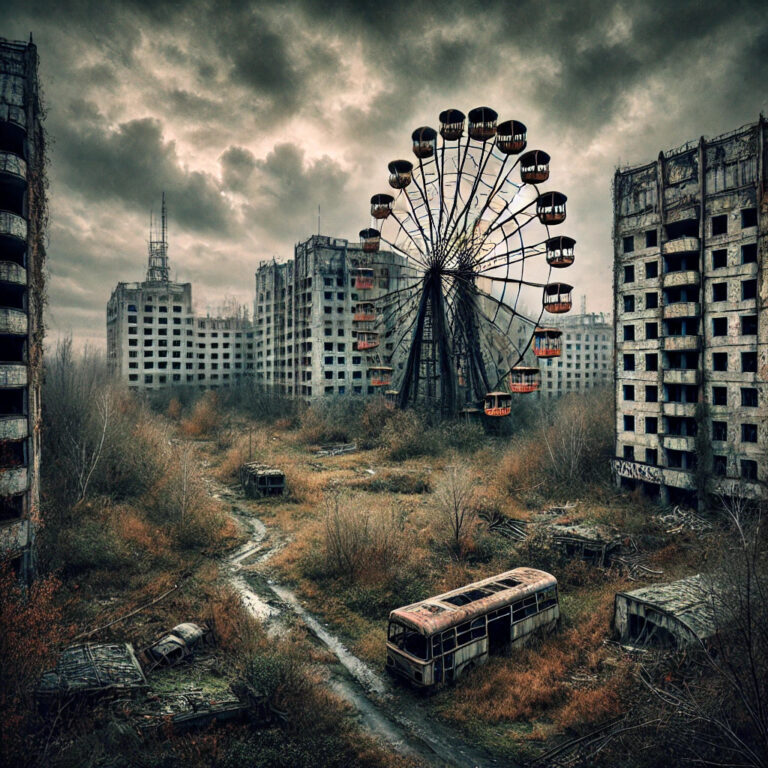
One of the most enduring images of Chernobyl is the ghost city of Pripyat, which was urgently evacuated after the accident. Pripyat, a city that at one time was home to thousands of workers at the nuclear plant, is now deserted, covered by the dust of time and radioactivity. The destruction of Pripyat is a symbol of the disaster, and its abandonment is one of the most tragic memories of the tragedy. To this day, the city remains as a reminder of what happened.
Many believe that Chernobyl was the end of nuclear energy in Europe, but the reality is that the nuclear industry has moved forward, although with strict controls and regulations. The disaster, however, forever changed public perception about the safety of nuclear plants. In many ways, Chernobyl was a turning point in the history of energy, since it forced countries all over the world to rethink their nuclear energy policies.
Have you ever wondered what happened to the Chernobyl exclusion zone? This area of 30 kilometers around the plant remains one of the most radioactive places in the world. Although some people have tried to return to their homes, the Ukrainian government prohibited relocation. However, over the years, the zone has become a place for nuclear tourism, where people visit under strict safety rules. Despite this, the area remains dangerous and any attempt to return to live there would be suicide.
The legacy of Chernobyl also includes the memory of those who worked tirelessly to control the effects of the disaster. The liquidators, as the people who cleaned the zone and tried to minimize the damage are known, risked their lives to prevent an even greater catastrophe. Many of them died due to radiation exposure, and the survivors have been the subject of tributes and recognition in Ukraine and other affected countries.
What they didn’t tell you about Chernobyl is that, beyond the tragedy, the accident also brought advances in science and technology. Studies on the effects of radiation have led to advances in medicine, such as new forms of treatment for cancer and other radiation-related disorders. However, the question remains: why did humanity decide to risk so much by using nuclear energy without taking into account the real dangers it entails?
Nowadays, when you think about <a href="https://www.chusmeando.com/preguntas-y-respuestas/como-funcionaba-la-planta-nuclear-de-chernobyl-explorando-los-detalles-tecnicos-de-su-reactor-y-los-principios-detras-de-su-operacion/” title=”How the Chernobyl nuclear plant worked, exploring the technical details of its reactor and the principles behind its operation”>Chernobyl, you don’t just think about the explosion or the abandoned city. You also think about the lesson humanity learned from the tragedy. The Chernobyl catastrophe remains a warning about the risks inherent to nuclear technology. In many parts of the world, the disaster remains a topic of debate, as some people defend the use of nuclear energy, while others call for its definitive abandonment.
In conclusion, what happened at Chernobyl is a complex story of technical failures, wrong decisions, and devastating consequences. It is a reminder of the limits of science and the need to make informed decisions to prevent something like this from happening again. The destruction of Pripyat and the Chernobyl exclusion zone will remain places of memory and warning, but also of hope, as the story of the tragedy continues to serve as a lesson for future generations.