
Post actualizado el día September 27, 2026 by DeiviSanzPlay
If you have ever immersed yourself in the fascinating world of Japanese history, you have surely encountered terms like “shogun” and “shogunate“.
I recommend you check out this interesting article: <a href="https://www.chusmeando.com/descubre-reino-animal/perros/cual-es-la-esperanza-de-life-del-perro/” title=”What is the life expectancy of a dog?” class=”internal-recommendation” target=”_self” rel=”noopener”>What is the life expectancy of a dog?.
These words not only define periods and roles specific within the <a href="https://www.chusmeando.com/preguntas-y-respuestas/tecnicas-narrativas-estilo-punto-de-vista-tiempo-y-structure-en-la-narracion/” title=”Narrative techniques. style, point of view, time and structure in narration.”>structure of Japan’s politics, but they also evoke images of brave warriors and strategic decisions that have shaped the history of this country. In this post, we will explore in depth what these terms meant, how they compare to other figures of power such as the emperor, and who was the last shogun in the history of Japan. Join me on this journey through time!
What did it mean to be Shogun?
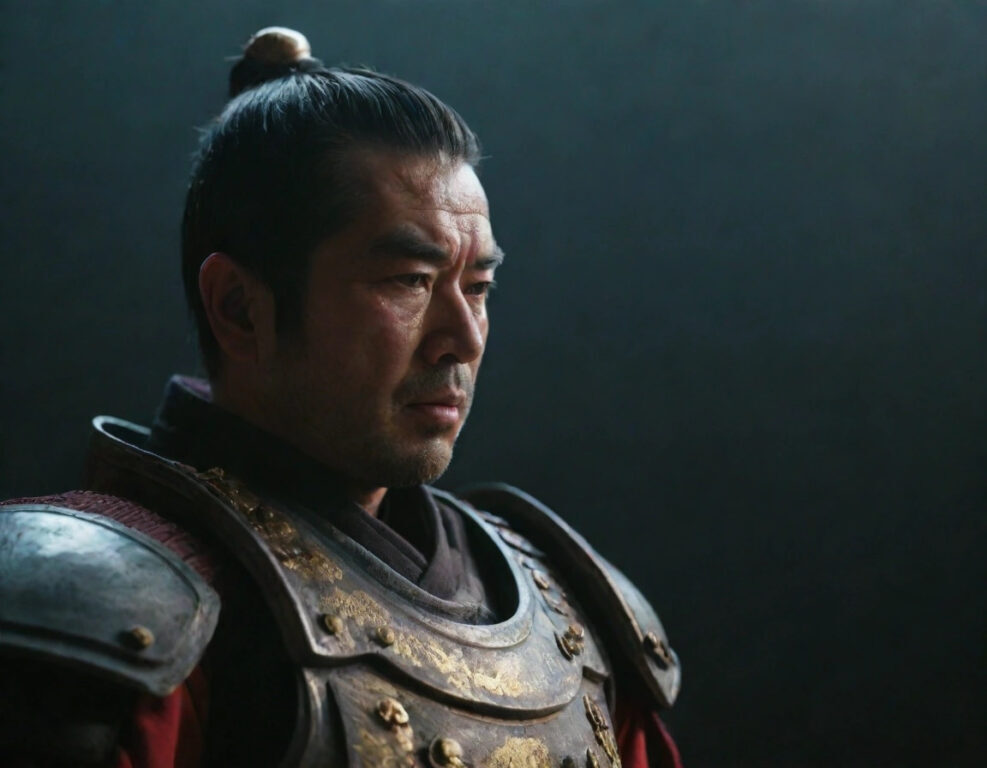
Being Shogun in Japan meant holding one of the most powerful positions within the Japanese feudal system. The full title is “Seii Taishogun”, which means “Great General who Subdues the Barbarians”. This title not only denoted military power, but also authority administrative over the assigned territories. The shoguns were the supreme military leaders and, in many periods of Japanese history, were the true rulers of the country, although the emperor still existed as a ceremonial and religious figure.
The shogun had the power to appoint the daimyos, the feudal lords, and control the samurai, the warrior class. This power came with great responsibility, not only in managing conflicts and defending the country, but also in overseeing the administration and the economy.
What is understood by Shogunate?
The term “Shogunate” refers to the government or regime led by a shogun. This system of government is also known as “Bakufu”, which literally means “battlefield office”. The shogunate was not simply the office or the period of government of a single shogun, but an era in which successive shoguns, generally from the same family, dominated Japan.
Throughout Japanese history, there were several shogunates, beginning with the Kamakura Shogunate in the 12th century and ending with the Tokugawa Shogunate, which concluded in the 19th century. Each shogunate had its own administrative structure and policies, but they all shared the common characteristic of a government centered on military and feudal power.
How did the Shogun and the Emperor differ?
The main difference between the Shogun and the Emperor of Japan lies in their roles and the origin of their authority. While the emperor was the highest figure of religious and ceremonial authority, descended from a divine line according to Japanese mythology, the shogun was essentially a military and political leader, whose power was based on the strength and loyalty of his samurai.
The emperor resided in the imperial court and had little control over daily political affairs, especially during periods of strong shogunal control. On the other hand, the shogun exercised executive power, dictated policies, and maintained order through force.
Who was the last Shogun in Japan?
The last Shogun in the history of Japan was Tokugawa Yoshinobu, who resigned in 1867, marking the end of the Tokugawa Shogunate and the Edo period. His resignation was part of the Meiji Restoration, a movement that sought to centralize power under the emperor and modernize the country in the Western style.
Yoshinobu initially tried to resist the pressures to restore imperial power but finally yielded in an effort to avoid a civil war. Although he resigned from political power, he was allowed to live the rest of his life in retirement, watching as Japan transformed into a modern power under the Meiji era.
This fascinating journey through the powerful shoguns of Japan shows us the complexity of Japanese history and how power can change hands in such dramatic ways. From powerful warriors to ceremonial figures, each character in the history of the shogunate has a unique story to tell. I hope this journey has inspired you to learn more about the rich and varied history of Japan.