
Post actualizado el día September 27, 2026 by DeiviSanzPlay
I recommend you check out this interesting article: How to Work in a Clothing Store? The Definitive Guide!.
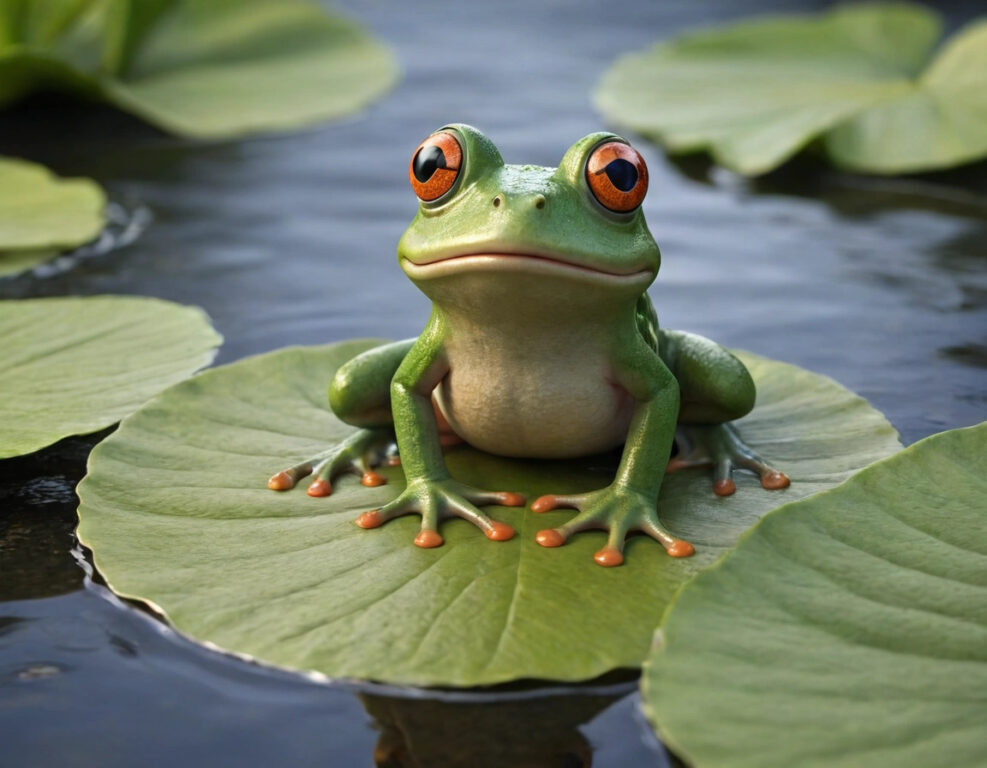
Have you ever come across a <a href="https://www.chusmeando.com/cual-es-el-simbolismo-cultural-asociado-con-las-frog-en-diferentes-culturas/” data-type=”post” data-id=”9279″>frog and a toad and found yourself wondering: “What makes them so similar yet so different at the same time?” If you’ve had that question, you’re about to dive into a world full of surprises. Let’s discover together the differences between frogs and toads in an intriguing way and full of details you surely didn’t expect. Follow me on this journey of exploration!
<a href="https://www.chusmeando.com/descubre-reino-animal/que-caracteristicas-distinguen-a-las-ranas-de-otros-anfibios/" title="What characteristics distinguish frogs from other amphibians?”>Physical characteristics of frogs and toads
The first thing you should know is that, although they look alike at first glance, frogs and toads have very different physical characteristics. Frogs usually have thinner bodies and smooth, almost slippery skin, while toads have a more robust body and much more rough and coarse skin. If you’ve ever touched a toad, you’ll know that its skin has a completely different texture from that of frogs. This trait is not just aesthetic, but serves a purpose: the rough skin of toads is one of their natural defenses against predators, since some species secrete toxic substances. Additionally, the hind legs of frogs are much longer and thinner, which gives them that incredible ability to jump long distances. On the other hand, toads, with their shorter and stronger legs, are better designed for walking or jumping shorter distances.
Differences in the habitat of frogs and toads
Have you ever wondered why frogs always seem to be near water? This is because, due to their permeable skin, frogs need to be near humid environments to stay hydrated. It is common to find them in ponds, puddles, or streams, where they can stay cool and healthy. On the other hand, toads are much more terrestrial and can live in habitats that are drier. Although they also need water to reproduce, toads are much more resistant to dehydration and can spend more time in arid environments without suffering consequences.
<a href="https://www.chusmeando.com/descubre-reino-animal/que-adaptations-especiales-tienen-las-ranas-para-sobrevivir-en-su-entorno/” title=”What special adaptations do frogs have to survive in their environment?”>Behavior of frogs and toads in their natural environment
In their natural environment, frogs and toads have completely different behaviors. Frogs are active and agile animals. They move quickly and can jump great distances when they feel threatened. On the other hand, toads are slower and tend to move in a more meticulous way. If you see a toad in the countryside, it is likely walking calmly, relying on its camouflage to go unnoticed. Additionally, frogs tend to be noisier during the breeding season, emitting those characteristic croaks to attract females. Toads, for their part, are much quieter, although some can also emit sounds at certain times of the year.
The skin of frogs versus the skin of toads
Did you know that the skin of frogs and toads is not just a superficial detail? The skin of frogs is smooth and has a slippery texture, which allows them to move agilely in water and maintain the hydration necessary to survive. Additionally, frogs can absorb oxygen through their skin, which helps them breathe while submerged. On the contrary, toads have thick and rough skin, adapted to withstand drier climates and protect them from predators. In many cases, this skin secretes toxins that serve as a defense against those who try to attack them.
Life cycle of frogs and toads
The life cycle of frogs and toads is mostly similar, but with some key differences. Both begin as eggs that develop in water, but the larval phase of frogs tends to last longer. Tadpoles of frogs transform into adult frogs in a shorter period than toads, whose tadpoles take longer to complete their metamorphosis. This transformation process, known as metamorphosis, occurs more rapidly in frogs due to their need to quickly adapt to their aquatic environment.
Feeding of frogs and toads: what do they eat?
When it comes to feeding, frogs and toads have similar diets, but their methods of getting food are quite different. Both species are carnivorous and feed mainly on insects, although frogs tend to be more active when hunting. Frogs use their sticky tongue to catch their prey, while toads prefer to stay still and wait for their prey to come closer. Additionally, toads tend to eat small vertebrates, such as small rodents or even snakes, while frogs focus more on flying insects or earthworms.
Differences in the way frogs and toads move
One of the most striking aspects of these animals is the way they move. Frogs are experts at jumping. With their long hind legs, they can jump impressive distances both in water and on land. This is a movement that allows them to quickly escape from dangers. Toads, on the other hand, have shorter and more muscular hind legs, which allows them to make short jumps but more powerful ones. That is why toads tend to move in a more leisurely and less elegant way than frogs.
Comparison between the legs of frogs and toads
If you look closely, you will see that the legs of frogs and toads are quite different. Frogs have long and thin hind legs, ideal for jumping, while the legs of toads are shorter but more muscular. These adaptations allow them to move in different ways: frogs can jump great distances with ease, while toads move slowly, either by walking or making small jumps.
Why do frogs jump more than toads?
The reason frogs are so jumpy is due to their hind legs, which are longer and more flexible. These legs are adapted to make long and agile jumps, which allows them to move with great speed. Toads, on the other hand, have shorter and more robust hind legs, which allows them to jump, but with less agility and distance. Toads do not have the same ability to jump great distances as frogs, but their short jumps are enough to move from one place to another effectively.
Adaptations of frogs and toads to their environment
Both animals have developed a series of fascinating adaptations that allow them to survive in their respective habitats. Frogs, with their permeable skin, need to stay near water to remain hydrated and to reproduce. Toads, on the other hand, have developed tougher skin that allows them to live in drier climates without losing as much water. Toads also have the ability to survive for long periods without water, which makes them more adaptable to a wide range of environments, from humid forests to dry deserts.
Although frogs and toads may seem similar, their differences are profound. From their physical characteristics to their habitats, including their methods of feeding and movement, each has its own adaptations that allow it to thrive in nature. By learning about their differences, you will not only better understand these animals, but you will also discover how wonderful and diverse the nature around us is.