
Post actualizado el día September 27, 2026 by DeiviSanzPlay
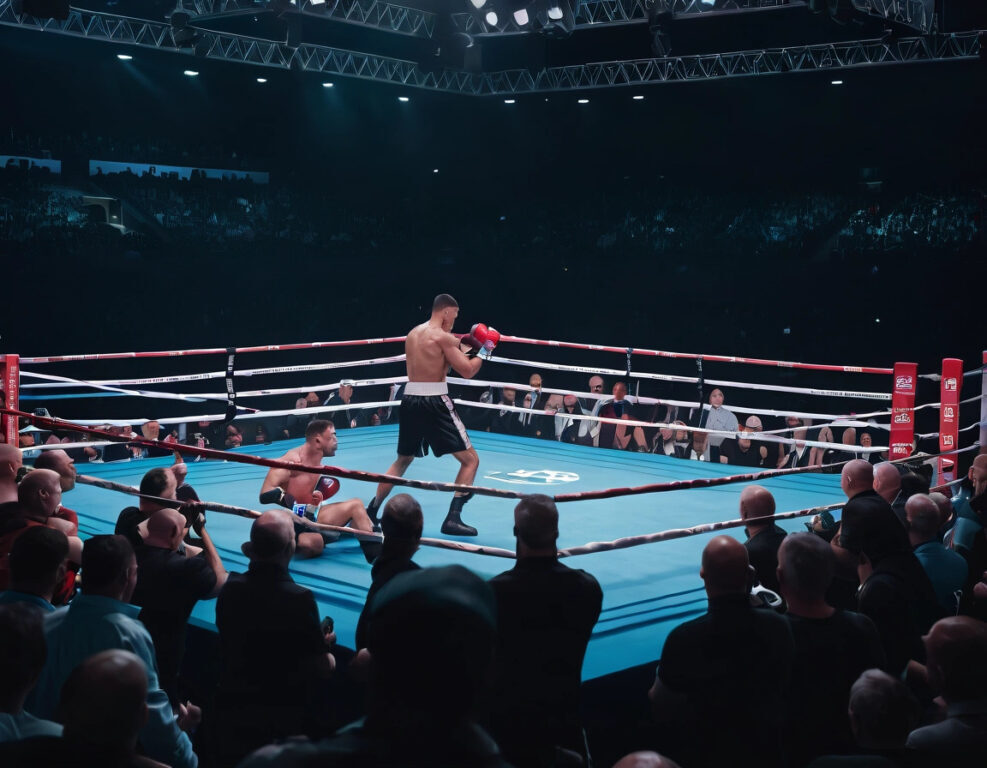
The world of combat sports is as fascinating as it is brutal. There is something we have all seen in epic fights, whether in a boxing ring or in an MMA octagon: the famous KO. But have you ever wondered what a fighter feels when receiving a KO? It is a moment of shock, of bewilderment and, sometimes, of indescribable pain. However, behind that instant of falling, there is a series of <a href="https://www.chusmeando.com/preguntas-y-respuestas/los-increibles-effects-of-oatmeal-on-your-body/” title=”The Incredible Effects of Oatmeal on Your Body”>effects of a KO on the fighter’s body and mind that go far beyond what the public gets to see.
I recommend you watch this article, which is interesting: What advantages do security systems integrated with home automation offer?.
When a fighter is knocked out, the first thing felt is an overwhelming sensation of disorientation. The blow received can momentarily shut down their ability to reason, and the loss of consciousness is almost instantaneous. The severity of the situation depends on how the body has responded to the impact. Some fighters can get up quickly, but that does not mean the effects of the KO have not left a mark. How exactly does a fighter experience a knock-out in combat? Well, that experience varies depending on the intensity of the blow. For some, it is like a light suddenly going out; for others, it is a sensation of being trapped in a dense fog that prevents them from thinking clearly.
One of the most fascinating aspects is the physical and psychological impact of a KO on fighters. On a physical level, the body can be subjected to extreme stress during the fight, but after a KO, the effects intensify. The head and neck, especially, absorb much of the blow, which can result in bruises or serious injuries, such as a cerebral concussion. On a psychological level, the fighter may experience a feeling of helplessness and frustration for not having been able to avoid the impact, as well as a possible fear of being hit again. Many fighters, even the most experienced ones, feel a momentary loss of confidence.
The reality of combat sports and knock-outs is not limited only to the fighter’s emotions. It also involves a series of risks that go beyond the fight itself. A KO can be the high point of a fight, but it can also have serious consequences in the long term, depending on the frequency with which a fighter receives this type of blows. <a href="https://www.chusmeando.com/descubre-reino-animal/animales-en-peligro-de-extincion/el-gorila-de-montana-como-la-inestabilidad-politica-amenaza-la-recuperacion-de-este-primate/" title="The Mountain Gorilla: How does political instability threaten the recovery of this primate?”>Recovery is crucial, and it is at this moment when the fighter must focus on rehabilitation in order to continue fighting safely.
When it comes to recovery after a KO in combat sports, it is important to keep in mind that the process is not only physical, but also mental. Fighters need time to overcome the emotional trauma and learn to deal with the psychological aftereffects that a KO can leave behind. This requires a comprehensive approach involving rest, therapy and constant monitoring to ensure that the fighter recovers completely.
It is interesting to see how the reaction of a fighter after a KO in a fight is not always immediate. After falling, the fighter may experience a kind of “awakening” in which they realize they have been defeated, but in many cases the reflex is to get up quickly, hoping to continue the fight. This response reflects the warrior mentality of many fighters, but it also shows the effects of the adrenaline running through their body. They may not be able to clearly remember what happened in those first moments after the blow.
What happens inside a fighter’s body after a KO? On a physiological level, the brain is the most affected organ. Blows to the head can generate significant changes in brain chemistry, which leads to a temporary loss of consciousness and a recovery process that, if not handled properly, could lead to long-term effects. This is why more and more sports organizations are implementing stricter protocols to protect the health of fighters after a KO.
Although knock-outs are part of the spectacle, there is a dark side of knock-outs in martial arts that is often not talked about publicly. The long-term effects of repeated blows to the head can result in permanent damage. That is why safety measures in combat sports have improved over time, such as monitoring the brain health of fighters. The experience of a fighter after being knocked out extends far beyond the moment of the KO; recovery and consequences can last much longer.
For those who are involved in the world of combat sports, there are strategies to overcome a KO in the ring that go beyond simple physical recovery. A fighter’s mentality also plays an essential role. The process of overcoming a KO is not only a physical challenge, but an emotional battle that requires courage and determination.