
Post actualizado el día September 28, 2026 by DeiviSanzPlay
Have you ever heard of flying squirrels? These small mammals are not like common squirrels, and they have some very interesting characteristics that make them unique. But before you start imagining squirrels with wings, let me clarify that flying squirrels are not actually flyers. Although their name may be misleading, in reality, they are expert gliders, and their ability to glide from tree to tree is what sets them apart.
I recommend you check out this interesting article: Everything about Ergonomic Pillows. Comfort and Health for Your Neck.
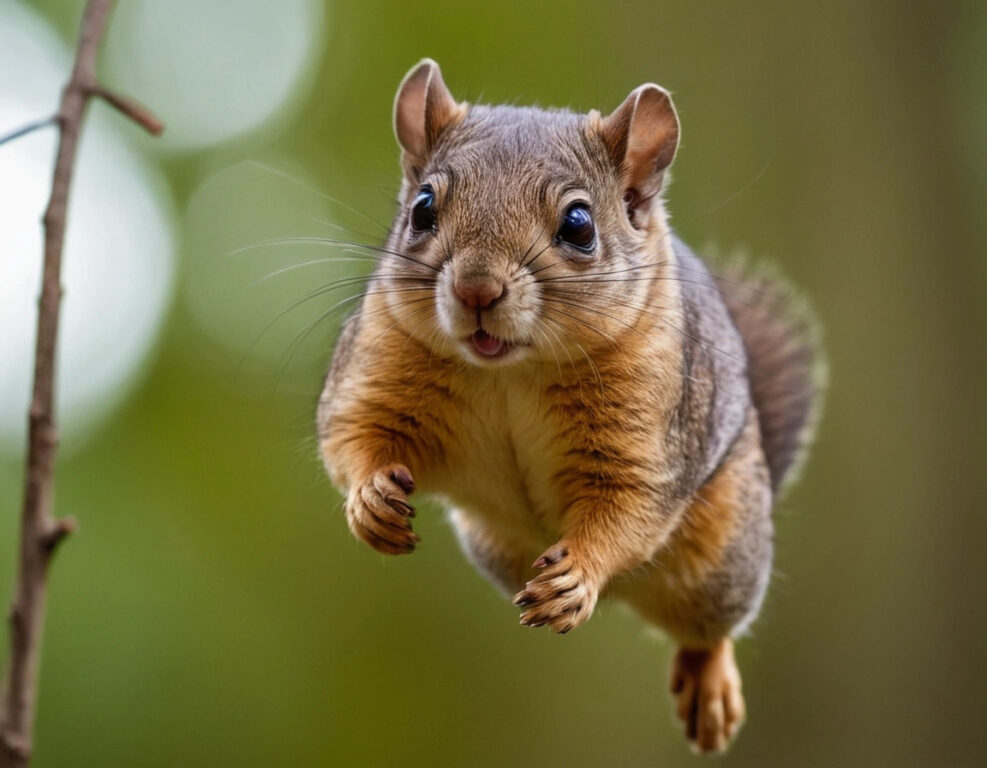
First, let’s talk about the characteristics of the flying squirrel. These creatures have a membrane between their legs, called the patagium, which extends from their wrists to their ankles, allowing them to glide through the air over long distances. This is very different from common squirrels, which are known for their abilities to climb and run agilely on the ground. Flying squirrels have a body adapted to spend more time in trees, and their large eyes and thick fur allow them to quickly detect any danger.
One of the most common questions is how do flying squirrels fly? Although they do not have wings, their special membrane allows them to glide. When jumping from a tree, they extend their legs to create a flat surface that acts as a wing and allows them to glide surprising distances, which can reach up to 90 meters. This adaptation not only serves to escape predators, but also to move between trees in their search for food.
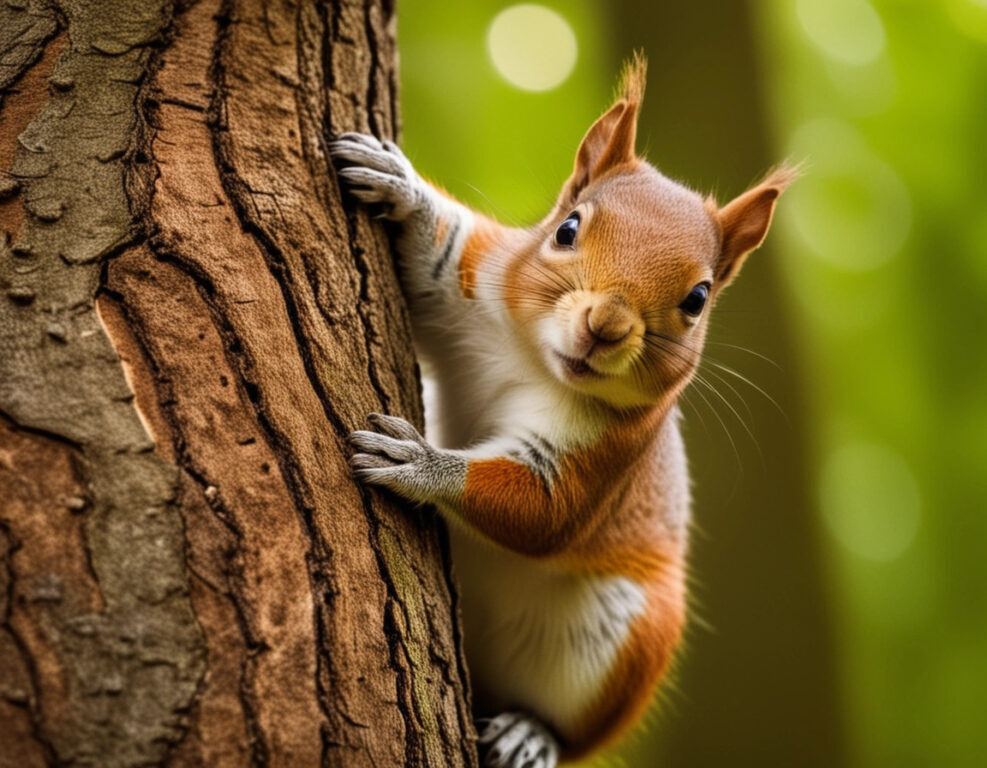
But, how do flying squirrels and common squirrels differ? Flying squirrels are not as fast on the ground, since they are more adapted for jumping and gliding, while common squirrels are excellent runners. In addition, flying squirrels have more nocturnal behavior, unlike common ones, which are usually diurnal. The diet of the flying squirrel also varies, since they often feed on nuts, fruits, and tree bark, but they are also known for storing food for the winter months.
When we talk about their habitat, flying squirrels prefer dense forests and areas with abundant tree cover. This provides them with the necessary space to move and protect themselves from predators. Their natural environment also influences their behavior, since they spend a lot of time climbing and gliding from one tree to another.
There are several species of flying squirrels, each adapted to its specific environment. Some of the best-known species include the northern flying squirrel, which lives in North America, and the broad-tailed flying squirrel in Asia. Although they all share the ability to glide, each species has particular characteristics, such as the size of the membrane or the length of its tail, that make them unique.
The behavior and adaptations of flying squirrels are also fascinating. These creatures are highly territorial and tend to live in areas with a lot of vegetation that allows them to hide and escape quickly if necessary. Their ability to glide allows them to move easily between trees, which gives them an advantage in avoiding predators such as birds of prey and snakes.
Flying squirrels in the wild play an important role in the ecosystem. By dispersing seeds and fruits as they move between trees, they help propagate various plant species, which promotes the biodiversity of the forest. In addition, their ability to store food also has a positive impact, since they store nuts and other foods that become vital sources for other animals during the colder months.
Finally, although flying squirrels are not actually flyers, their ability to glide with such skill through the air is what makes them so fascinating. Despite the confusion their name may cause, these animals are a clear example of how nature has designed creatures to adapt and survive in their respective habitats.