

Post actualizado el día September 27, 2026 by DeiviSanzPlay
What is a nap and what are its origins?
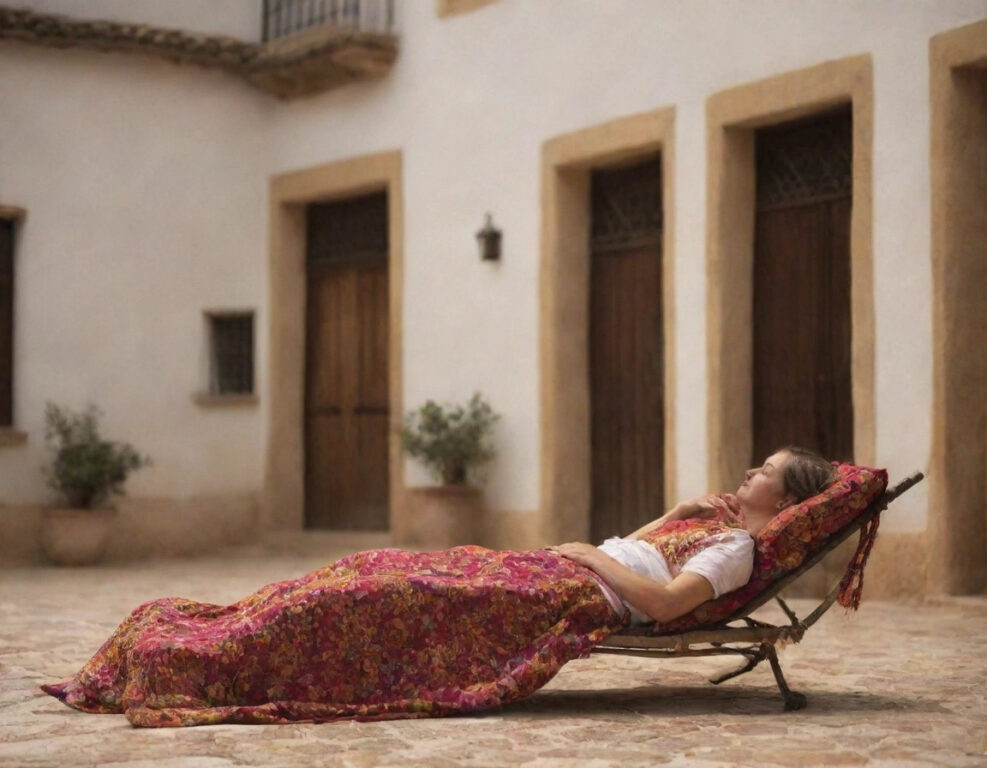
A nap is a brief period of rest or sleep generally taken after the midday meal, especially in warm climates.
I recommend you check out this interesting article: ¿Cómo realizar el cambio de domicilio en todos los organismos oficiales?.
The term ‘siesta’ derives from the sixth hour, which in Roman times referred to the pause that occurred around the sixth hour of the day after sunrise, an ideal moment for a rest in the heat of the day.
This tradition has ancient roots intertwined with the need to escape the most intense heat of the day in many parts of Spain. Over time, the siesta has become a recognized feature of Spanish culture, although its practice has evolved with changes in modern lifestyle.
How is the siesta practiced in contemporary Spain?
Although the traditional image of the siesta involves sleeping peacefully for several hours every afternoon, the reality in modern Spain can be quite different. <a href="https://www.chusmeando.com/preguntas-y-respuestas/un-estudio-de-la-nasa-encontro-que-una-siesta-de-26-minutes-puede-mejorar-el-<a href="https://www.chusmeando.com/wordpress/como-optimizar-wordpress-para-mejorar-el-performance-de-tu-sitio-web/” title=”Cómo optimizar WordPress para mejorar el rendimiento de tu sitio web”>performance-en-un-34-y-la-alerta-en-un-54-increible-verdad-asi-que-si-buscas-un-impulso-en-tu-dia-la-duracion-ide/” title=”¿Cuánto tiene que durar una siesta para que tu cuerpo descanse?”>Today, a nap often lasts between 20 and 30 minutes, a brief rest that allows people to recharge their energy without disrupting the day’s activities too much.
The practice varies significantly between rural and urban areas, being more common in small cities and towns where the pace of life can be slower. In large cities, the fast pace and pressures of modern work have made the siesta less practical for many.
What are the <a href="https://www.chusmeando.com/tramites/como-obtener-el-certificado-de-discapacidad-en-paraguay-todos-los-benefits/” title=”¿Cómo obtener el certificado de discapacidad en Paraguay? ¡Todos los beneficios!”>benefits of a nap?
Numerous studies have highlighted the benefits of taking a nap regularly. Resting during the day can improve memory, mental alertness, and creativity, in addition to providing general well-being and reducing stress.
From a health standpoint, a nap can reduce the risk of heart disease and improve work and academic performance. In Spanish culture, the siesta is also considered a way to foster a better quality of life and maintain social and family relationships, since many take advantage of this time to spend moments with loved ones.
What is the future of the siesta in Spanish society?
As the world globalizes and the pace of life accelerates, the tradition of the siesta faces challenges. The future of this custom may depend on how new generations balance traditions with the demands of modern life.
However, there is a renewed interest in adapting the siesta to modern life, with companies and institutions implementing rest areas and policies that allow brief naps during the workday. This change reflects a deeper understanding of the importance of rest in productivity and overall well-being.