

Post actualizado el día September 27, 2026 by DeiviSanzPlay
If you’ve ever heard about it, it’s probably because you know it’s one of the main causes of infections gastrointestinal. This highly contagious virus affects millions of people every year and can spread quickly, especially in enclosed places like hospitals, schools, or cruise ships. But how is Norovirus transmitted and what makes it so problematic?
I recommend you check out this interesting article: Explora 8 Claves Esenciales Para Tu Crecimiento Personal.
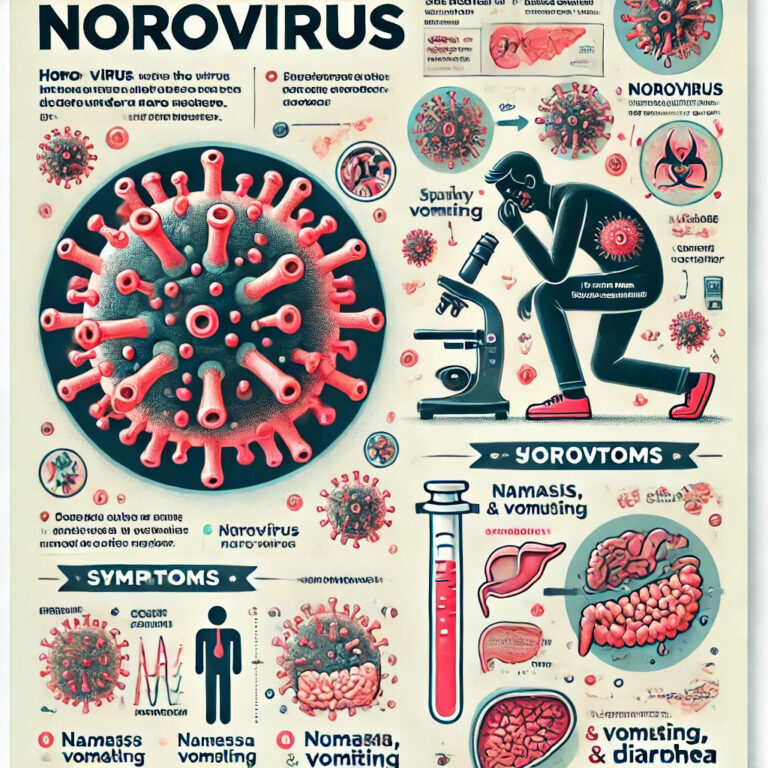
Norovirus is a virus that causes acute gastroenteritis, an inflammation of the stomach and intestines, which can lead to Norovirus symptoms such as diarrhea, vomiting, abdominal pain, and mild fever. What’s curious is that, despite being so common, it’s often confused with other gastrointestinal infections due to its similar symptoms. However, what sets Norovirus apart is its extremely high contagion rate and its ability to spread quickly between people. This makes it one of the most common infections in the world.
One of the most concerning aspects of Norovirus is that it can be extremely contagious. It can be transmitted from one person to another through contact with contaminated surfaces or food and water that have been contaminated. In this regard, Norovirus prevention is key to avoiding outbreaks, especially in communities where people are in close contact with each other. Preventive measures include washing your hands frequently, disinfecting surfaces, and avoiding consuming food that may have been contaminated.
If you’ve already contracted Norovirus, you’re probably wondering what causes Norovirus and how to treat it. This virus is commonly found in the environment and can be difficult to avoid, but once you’ve been infected, treatment generally focuses on relieving the symptoms. Although there’s no specific treatment to eliminate Norovirus, the best way to manage it is to stay hydrated, since dehydration is one of the biggest risks due to diarrhea and vomiting. In some cases, doctors may recommend medications to relieve symptoms, but recovery usually takes between 1 and 3 days.
As for the duration of Norovirus infection, most people start to feel better after a couple of days, although in some cases, symptoms can last longer. It’s important to remember that, although symptoms may disappear quickly, the virus can remain contagious for several days, even after you feel better.
Additionally, it’s important to highlight the differences between Norovirus and other gastrointestinal infections. While the symptoms are similar to those of food poisoning or stomach flu, Norovirus is much more contagious and usually spreads through common sources, such as contaminated water or food. Compared to other viruses or bacteria that can cause gastrointestinal illnesses, Norovirus has a unique ability to quickly infect many people at once, which can result in massive outbreaks.
The most frequently asked question when talking about Norovirus is: Is Norovirus contagious? And the answer is a resounding yes. This virus is easily transmitted, and the infection can spread even through small amounts of fecal material or vomit that come into contact with surfaces or food. That’s why it’s essential to take precautions such as avoiding sharing utensils or food with sick people, especially in public or enclosed places.
By knowing how to handle a Norovirus outbreak, it’s possible to minimize the impact. It’s important to constantly disinfect surfaces, especially in areas where people tend to be in close contact, such as bathrooms, kitchens, or living rooms. It’s also advisable to stay home and rest to avoid spreading the illness to others.
Lastly, some tips to avoid Norovirus include simple measures such as frequent handwashing, using alcohol-based hand sanitizers when soap and water aren’t available, and properly preparing food. It’s especially crucial to make sure food is well cooked and not to consume products that may have come into contact with contaminated surfaces.
In summary, Norovirus is a very common virus that causes acute gastroenteritis, and it’s known for its ability to spread quickly, especially in places with lots of people. Although treatment for Norovirus generally focuses on relieving symptoms and preventing dehydration, the best way to protect yourself is with good hygiene, proper care when preparing food, and constant disinfection of surfaces. So, if you ever face this virus, remember that, although uncomfortable, it’s usually temporary, and with the right measures, you’ll be able to recover quickly.