
Post actualizado el día September 27, 2026 by DeiviSanzPlay
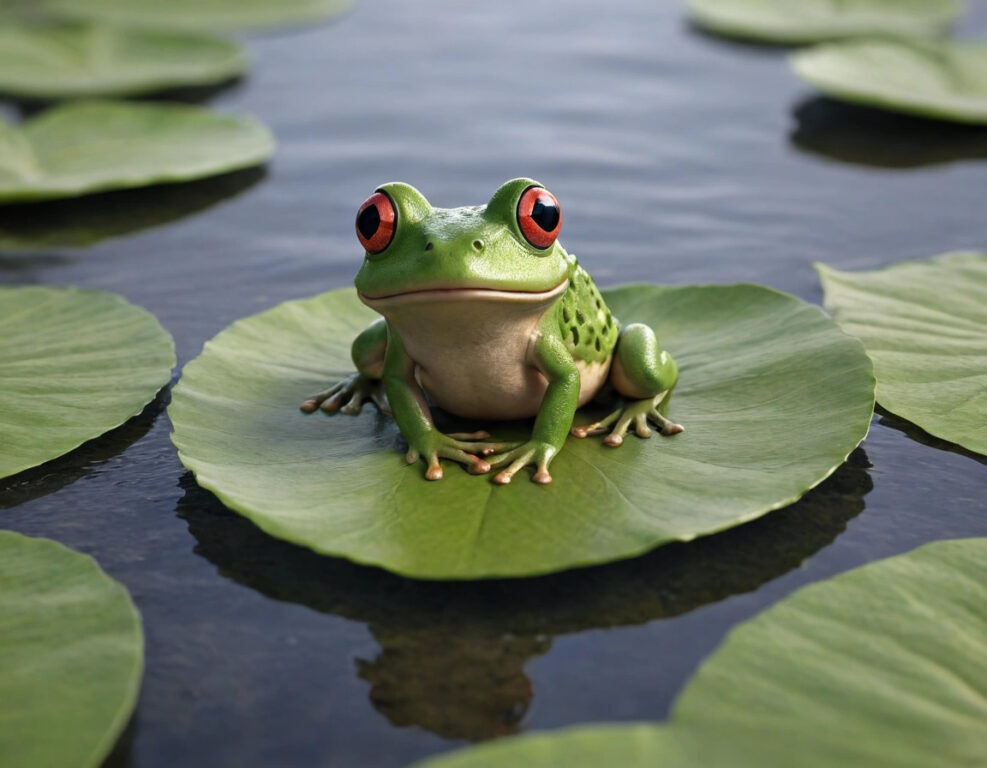
Have you ever stopped to think about the role that frogs play in the food chain? Because, believe me, these small, hopping creatures have a much greater impact than it seems. If we look closely, the position of frogs in the trophic pyramid is much more important than many believe. They are not simply those animals you see jumping from puddle to puddle. They have a crucial role that maintains the balance in their ecosystem.
I recommend you check out this interesting article: How is access control integrated into a modern alarm system?.
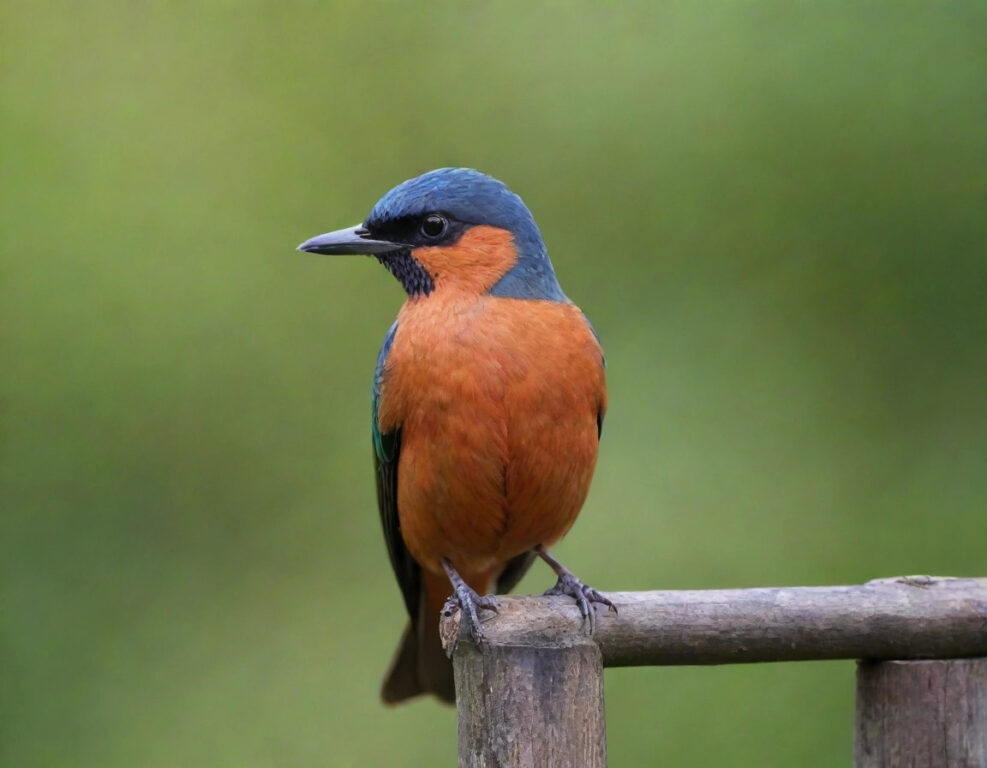
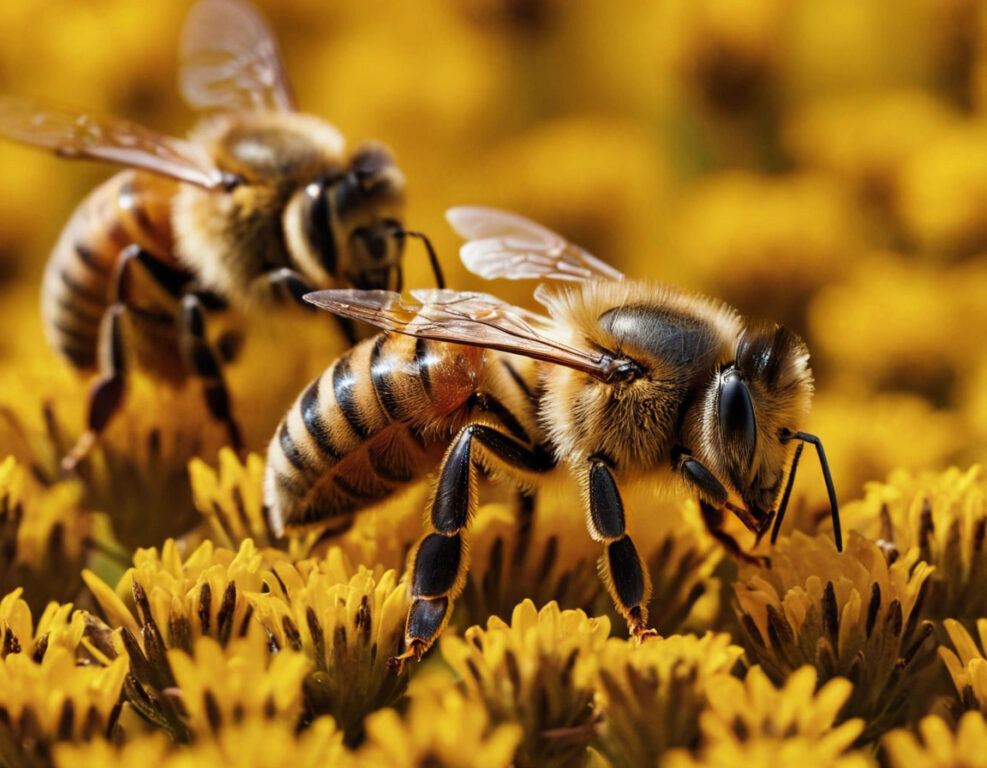
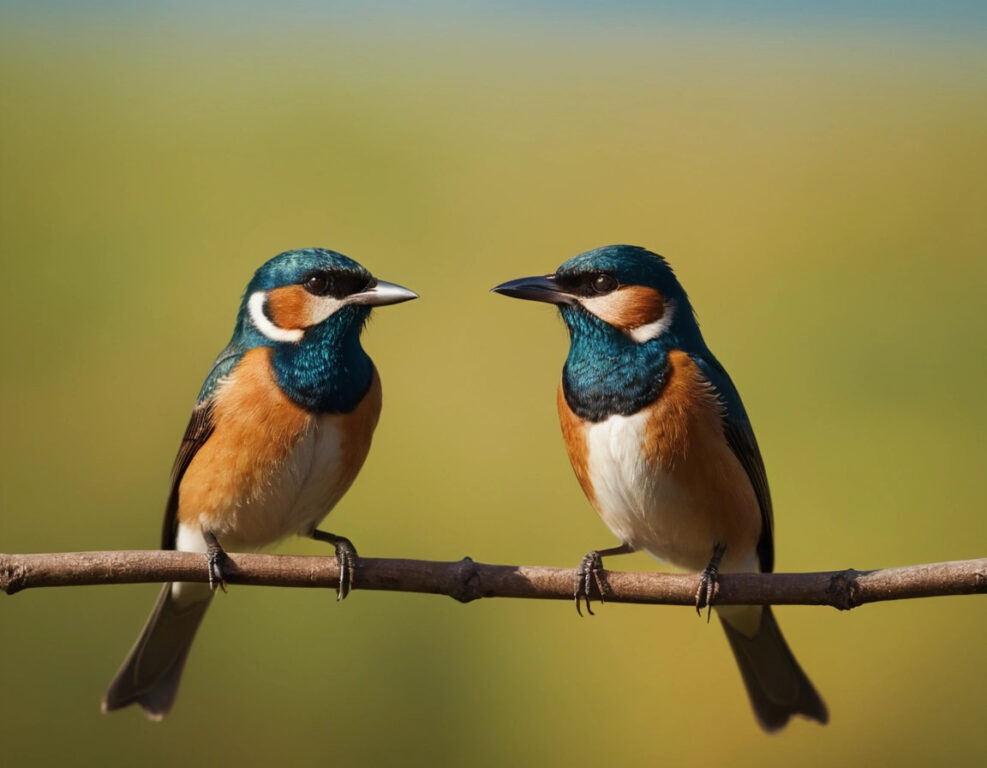
To begin with, did you know that frogs are both prey and predators in their ecosystem? In a single day, a frog can devour piles of insects, which means they are controlling the number of pests in their environment. But, in turn, frogs are also food for other animals. From birds to snakes, many depend on them as a vital source of sustenance. This exchange between prey and predators maintains the ecological balance.
But how do frogs affect the balance of the food chain? Well, it’s fascinating, since their presence (or lack thereof) has repercussions at many levels. Frogs are a key piece in the dynamics of aquatic and terrestrial ecosystems, and their role in insect control is by no means minor. Without them, insect populations could explode excessively, which would affect many other organisms that depend on a more balanced ecosystem.
The impact of frogs goes far beyond what we can see with the naked eye. By biologically controlling pests, frogs are silent allies of farmers, preventing certain insects from damaging crops. It is no coincidence that healthy ecosystems have a stable frog population, since these small predators have the ability to keep everything around them in balance.
If we delve deeper into the importance of frogs in the ecosystem, we will see that their role is not limited to diet. Their ability to regulate insect populations and, by extension, those of other animals, makes frogs a key link in the food chain. The disappearance of frogs could trigger chain effects that would affect thousands of species.
Now, imagine a world without frogs. The impact of the disappearance of frogs in the food chain would be devastating. Not only would we lose one of the most effective natural predators, but we would also destabilize other animals that depend on them as a food source. And yes, there are many animals that depend on frogs: birds, mammals, reptiles… there are many that consider them a delicacy.
Finally, let’s not forget the importance of frogs in biodiversity. They are a fundamental link in the food chain, helping to maintain a balance that benefits all the fauna and flora around them. If one link in this chain breaks, the entire system could be affected in ways you can’t even imagine.
So, the next time you see a frog, don’t just look at it as a small hopping animal. Think about its essential role in the biological pest control, its contribution to ecological balance, and its importance for biodiversity. Frogs, though simple at first glance, are true invisible heroes in the great cycle of life.