Post actualizado el día October 17, 2026 by DeiviSanzPlay
You want cleaner air at home without dropping a grand on an expensive HEPA setup? Indoor plants can help, but only if you pick the right ones. The best air-purifying indoor plants aren’t the prettiest or the trendiest — they’re the ones that actually pull formaldehyde, benzene, and xylene out of the air you’re breathing every day.
I dug into the original NASA Clean Air Study (yes, the 1989 one, still the most cited reference on this topic) plus newer research from the University of Georgia and the Journal of Exposure Science & Environmental Epidemiology. Here’s the no-BS breakdown.
Why the NASA Study Still Matters (and Where It Falls Short)
NASA’s Clean Air Study tested common houseplants in sealed chambers and found several species that removed volatile organic compounds (VOCs) like formaldehyde, benzene, and trichloroethylene. That’s the origin of every “top 10 air-purifying plants” list you’ve ever seen.
But here’s the catch nobody tells you: a 2019 study from Drexel University showed you’d need between 10 and 1,000 plants per square meter to match the air-cleaning power of a basic HVAC filter. That doesn’t mean plants are useless — it means they’re a supplement, not a replacement. Pair them with ventilation and you’re golden.
So which indoor plants that purify the air are actually worth your money? These are the ones I’d bet on.
The Heavy Hitters: Plants That Actually Filter VOCs
Snake Plant (Sansevieria trifasciata)
The snake plant is the closest thing to a no-brainer. It absorbs carbon dioxide and releases oxygen at night — most plants only do this during the day — which makes it a solid pick for bedrooms. It filters formaldehyde, benzene, xylene, and toluene, and it survives neglect like a champ.
Low light? Fine. Watering once every two weeks? Fine. This is the plant for people who kill plants.
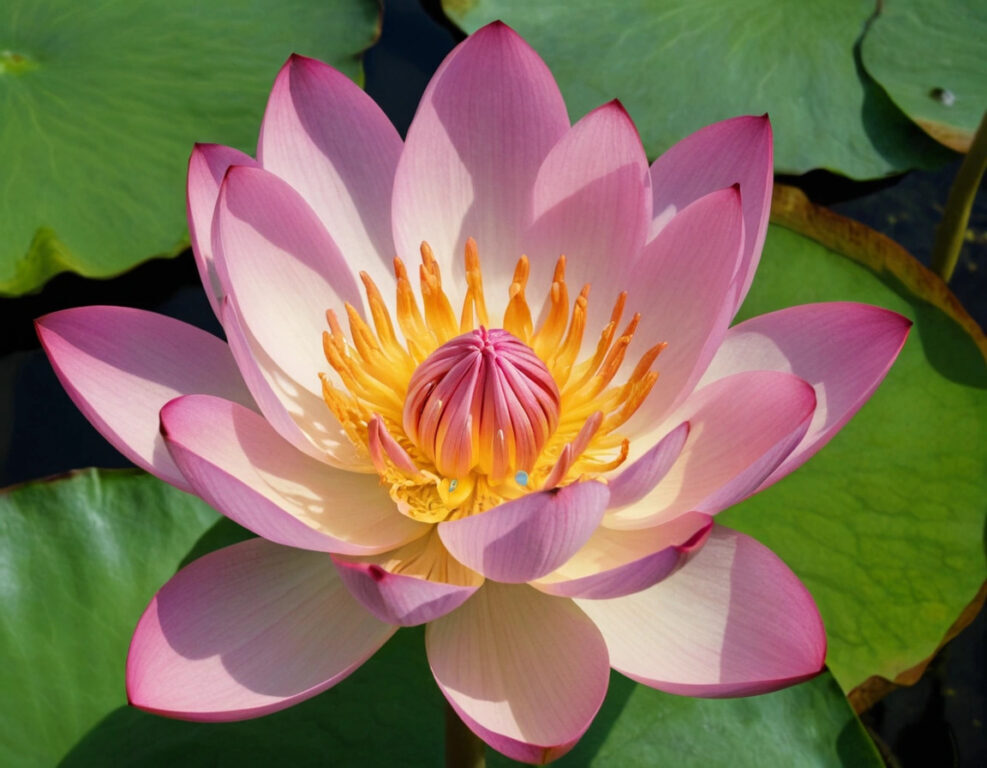
Peace Lily (Spathiphyllum)
The peace lily topped NASA’s list for removing formaldehyde, benzene, and ammonia. It’s also one of the few flowering plants that thrives in low light. Downside: it’s toxic to cats and dogs if chewed, so keep it out of reach if you have pets.
English Ivy (Hedera helix)
English ivy is a beast at pulling airborne mold and fecal-matter particles out of the air — yes, really. A 2005 study found it reduced airborne mold spores significantly within hours. It works best in hanging baskets where it can trail. Just know it’s invasive outdoors in many US states.
Dracaena (Dracaena marginata and others)
Dracaena species — especially the red-edged marginata and the “Janet Craig” — remove benzene, formaldehyde, trichloroethylene, and xylene. They’re slow growers, which means less repotting. They’re also toxic to pets, so again, mind your animals.
Pothos (Epipremnum aureum)
Pothos is the workhorse of air-purifying plants. It’s nearly impossible to kill, propagates in a glass of water, and scrubs formaldehyde and benzene. Grow it in a hanging pot or let it climb a bookshelf.
Bamboo Palm (Chamaedorea seifrizii)
Bamboo palm is one of the best formaldehyde filters and doubles as a natural humidifier. If your home gets dry in winter, this one earns its spot. It also tolerates indirect light and grows tall enough to be a real statement piece.
How Many Plants Do You Actually Need?
This is where most articles lie to you. One snake plant in a 500-square-foot apartment won’t move the needle on air quality.
Realistic rule of thumb: aim for one medium-sized plant per 100 square feet if you want any measurable impact. That’s roughly 5–8 plants for a typical one-bedroom. Cluster them in the rooms you spend the most time in — bedroom, living room, home office.
And no, you don’t need to spend a fortune. Pothos, snake plants, and spider plants are cheap, easy to propagate, and widely available at any garden center or even IKEA.
Which Plants Work Best for Specific Rooms?
- Bedroom: Snake plant (night oxygen), peace lily (low light)
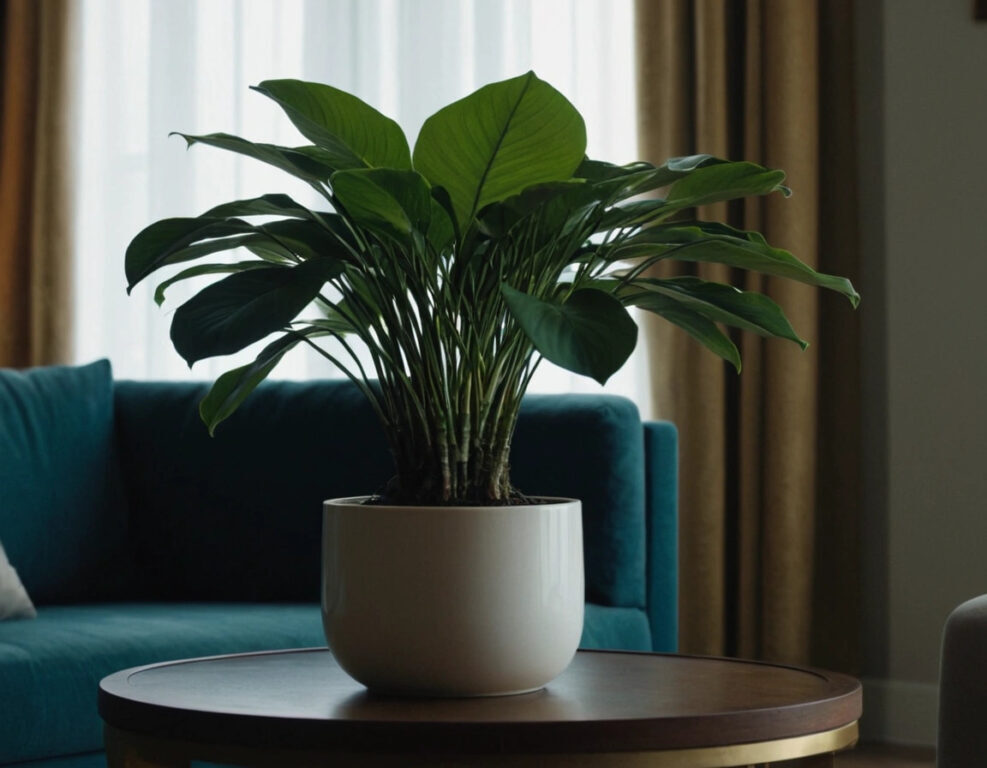
- Living room: Bamboo palm, dracaena, rubber plant (Ficus elastica)
- Bathroom: English ivy, Boston fern (both love humidity)
- Kitchen: Aloe vera (also useful for burns), pothos
- Home office: Areca palm, spider plant
One more thing: plants that remove airborne toxins work harder when their leaves are clean. Dust them every couple of weeks with a damp cloth. A dusty leaf can’t photosynthesize or filter effectively.
What About the “Oxygen at Night” Claim?
Yes, snake plants and a few others use CAM photosynthesis, which means they open their stomata at night and release oxygen when most plants are releasing CO2. The effect is real but tiny — nowhere near enough to change the oxygen level in a sealed bedroom. Still, every bit helps, and it’s a nice bonus.
My Honest Take
If you want the best air-purifying indoor plants for 2026, start with a snake plant, a pothos, and a peace lily. That trio covers formaldehyde, benzene, ammonia, and xylene, costs under $50 total, and survives just about anything.
Add a bamboo palm or English ivy if you want to tackle mold and humidity. Skip the gimmicky “air-purifying” kits that charge $200 for three tiny plants in ceramic pots — you’re paying for the pottery, not the purification.
And remember: plants are a supporting actor, not the lead. Crack a window, run a fan, and change your HVAC filter. Do that, and your plants will actually earn their keep.