

Post actualizado el día September 27, 2026 by DeiviSanzPlay
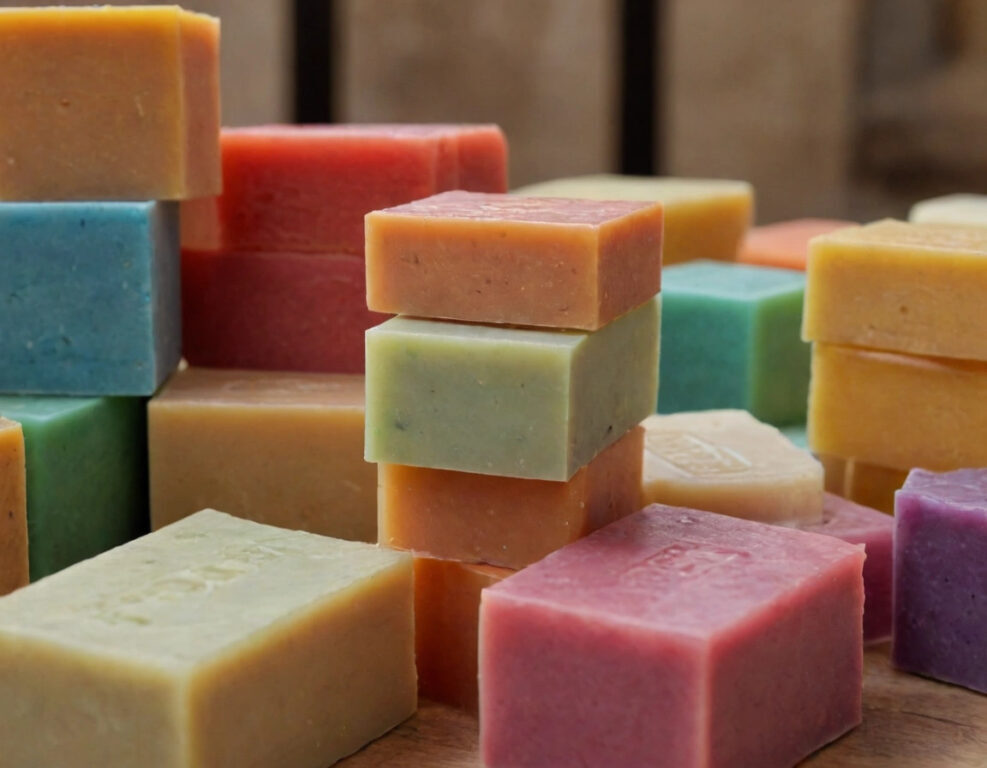
Marseille soap, or Savon de Marseille, represents a historical icon and an emblematic product of natural and sustainable cosmetics, with manufacturing processes dating back to the 17th century, preserving traditional methods and a strictly regulated formulation based on high-purity plant-based ingredients.
I recommend checking out this interesting article: How Do I Know If I’m Pregnant? Everything You Need to Know.
Origin and Production Tradition
Marseille, the historic epicenter of soap manufacturing in France, is home to artisanal factories such as La Savonnerie Marseillaise and Savonnerie de la Licorne, where ancestral techniques are used, including cooking in copper cauldrons through the Marseillais process (hot saponification). This method guarantees the complete transformation of vegetable oils (traditionally olive, coconut, or palm kernel) into soap through alkaline hydrolysis with sodium hydroxide (caustic soda), ensuring a final product with hypoallergenic, biodegradable, and skin-friendly properties.
Chemical Composition and Functional Properties
Marseille soap is characterized by:
- <a href="https://www.chusmeando.com/cleaning-del-hogar/como-puedes-limpiar-profundamente-la-tina-de-tu-lavadora-usando-ingredientes-que-probablemente-ya-tienes-en-casa/” title=”Cómo puedes limpiar profundamente la tina de tu lavadora usando ingredientes que probablemente ya tienes en casa”>Natural Ingredients: 100% vegetable oils, caustic soda, and purified water, with no synthetic additives, colorants, or artificial fragrances.
- Neutral to moderately alkaline pH: promotes effective cleaning while maintaining the skin barrier.
- High natural glycerin content: a byproduct of saponification that acts as a humectant.
- Free of synthetic surfactants: which makes it suitable for sensitive, atopic, or allergy-prone skin.
- Solid and liquid varieties: liquid soap, formulated for versatile use (body, hair, and household cleaning), retains detergent properties with a lower environmental impact.
Certification and Quality Control
The original bars are marked with authenticity stamps and carry precise indications regarding:
- Density and hardness: indicators of structural quality.
- Oxidative stability: related to freshness and absence of rancidity.
- Traceability of raw materials: essential to guarantee sustainable origin and avoid the use of palm oil, whose production can generate a negative environmental impact.
Uses and Multi-Sector Applications
In addition to its cosmetic use, Marseille soap is a multi-purpose detergent recognized in eco-friendly household cleaning:
- Delicate textiles: thanks to its gentle detergent action.
- Kitchen utensils and surfaces: non-toxic and biodegradable.
- Alternative to conventional products with harsh chemical compounds.
Commercialization and Digital Access
The digitalization of the market has facilitated direct purchase by the end consumer, eliminating intermediaries. Platforms like Amazon offer access to certified and original products from cooperatives and local manufacturers, guaranteeing:
- Fast delivery and preservation of freshness.
- Availability of eco-responsible products, including options without plastic packaging.
- Variety in formulations enriched with essential oils (lavender, eucalyptus) that provide aromatherapy benefits.
Conclusion
Marseille soap is more than a hygiene product; it is a cultural heritage with robust technical foundations in saponification chemistry and sustainable artisanal production. Its natural formulation, certifications, and functional versatility position it as a benchmark in the cosmetic and ecological sector. For professionals and conscious consumers, choosing this soap means opting for quality, authenticity, and respect for the environment, all backed by centuries of tradition and technological evolution.