
Post actualizado el día September 27, 2026 by DeiviSanzPlay
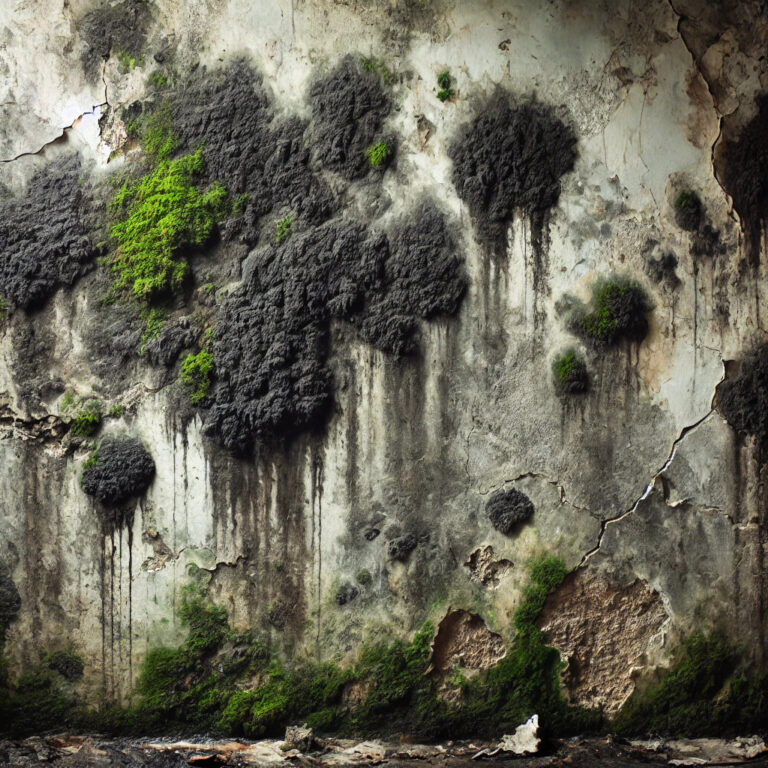
Have you ever walked into a room and smelled that characteristic smell of dampness? Or worse yet, have you come across those horrible dark stains in the corners of the walls? Yes, my friend, we’re talking about the dreaded <a href="https://www.chusmeando.com/limpieza-del-home/how-to-keep-walls-free-of-condensation-and-mold/” title=”How to Keep Walls Free of Condensation and Mold”>mold on walls. But why does it appear? Is it divine punishment or is there something else behind it?
I recommend you check out this interesting article: Discover the Best Small Dog Breeds: Your Ideal Companion Awaits!.
The reality is that mold on walls is not just an aesthetic problem. It’s a silent enemy that creeps in little by little, and by the time you realize it, it has already taken control. The causes can be many, but the most common is dampness on walls. When humidity levels are high, mold finds the perfect environment to multiply.
Have you noticed water droplets on your windows or on the walls when it’s cold? That’s condensation indoors, and it’s a clear sign that something isn’t right. When warm air inside the house meets cold surfaces, water vapor turns into liquid, creating the perfect breeding ground for mold. And yes, this happens more often than you think.
If you think keeping the house closed up to conserve heat is a good idea, think twice. Without good air circulation, humidity builds up and mold appears as an unwanted guest. It’s important to open windows, use extractor fans, and let fresh air do its magic. A poorly ventilated house is paradise for fungi and spores in the environment.
Not all mold is the product of condensation. Sometimes, the root of the problem lies in pipes with leaks or in a deteriorated structure. water seepage can be imperceptible at first, but over time it generates dampness on walls and, of course, mold. If you notice persistent stains or paint that’s bulging, it’s time to investigate further.
Did you know that poor insulation in a home can be one of the reasons mold appears? If exterior walls aren’t well insulated, the cold penetrates more easily, which encourages condensation indoors. It’s as if mold had a VIP invitation to settle into your home. Good insulation helps maintain a stable temperature and reduce humidity.
Cold and humidity are the perfect combination for mold to thrive. If you live in an area where winter is harsh, you should be even more vigilant. Lack of heating or improper use of climate control systems can cause walls to get too cold, causing condensation indoors and, consequently, mold.
If you already have mold at home, don’t worry, there are ways to get rid of it. An effective option is to use anti-dampness paint. It not only covers the stains but also prevents more mold from appearing. But be careful, this is only a temporary solution if you don’t address the root cause of the problem.
Another key is mold prevention at home. Maintaining good ventilation, repairing leaks, and using dehumidifiers can make a big difference. Yes, dehumidifiers to eliminate dampness are an investment, but they can save you from bigger problems in the long run.
And if you prefer natural methods, cleaning mold with vinegar and baking soda is a safe and effective option. Simply mix these ingredients, apply them to the affected area, and let them work. It’s a simple way to eliminate mold without resorting to harsh chemicals.
Mold on walls is more than just a stain: it’s a sign that something isn’t right at home. Whether it’s due to dampness on walls, water seepage, or insufficient ventilation, the problem can be solved if you tackle it at the root. Remember, keeping your home mold-free not only improves the aesthetics but also protects your health and your family’s health.
So now you know, don’t ignore those dark stains or that musty smell. It’s time to act and reclaim your home before mold takes it over.