Post actualizado el día octubre 26, 2026 by DeiviSanzPlay
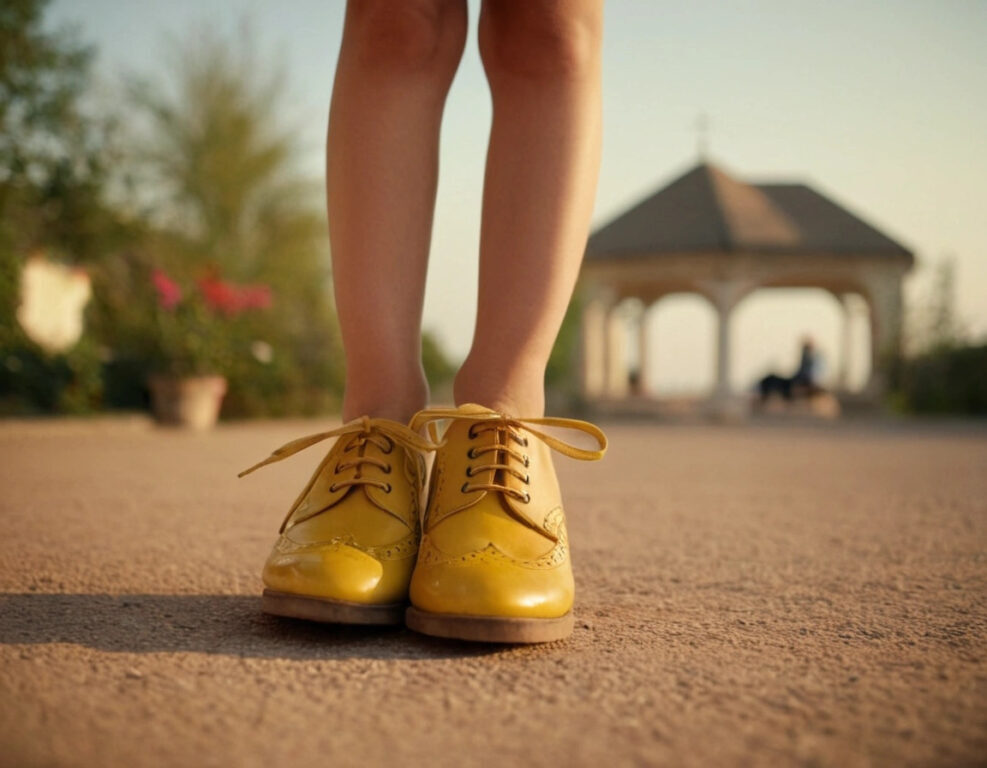
Seeing your kid take those first wobbly steps is a rush. But then reality hits: what the hell do you put on their feet? First steps shoes for boys and girls aren’t just miniature versions of adult sneakers. They’re a tool that can either help or screw up your child’s gait. I’ve spent hours reading podiatrist guidelines, parent forums, and brand specs, and here’s the unfiltered truth.
Why First Steps Shoes Are Not Just Tiny Sneakers
A baby’s foot is mostly cartilage. The bones don’t fully ossify until age 3 or later. That means rigid shoes can deform the arch or restrict toe splay. The best shoes for first steps mimic barefoot walking as much as possible. If you can’t twist the shoe into a pretzel with one hand, it’s too stiff. Period.
I’ve seen parents buy «supportive» hard-soled shoes thinking they’re helping. Wrong. A 2023 study in the Journal of Foot and Ankle Research found that minimalist, flexible footwear promotes stronger foot muscles. So ditch the cement blocks.
Flexibility: The Non-Negotiable Feature
Bend the shoe at the ball of the foot. It should fold easily. A flexible sole lets the foot roll naturally, which is how toddlers learn balance. If the shoe resists, your kid will trip more and walk on their toes. Shoes for babies learning to walk must have a sole that’s thin (2–4 mm) but grippy.
Also check the heel. A good first steps shoe has a slightly stiffer heel counter to stabilize the ankle, but not so hard that it digs in. That balance is tricky. Brands like Stride Rite and See Kai Run nail it; cheap knockoffs usually don’t.
Grip and Breathability: Two Things Parents Underestimate
Non-slip soles are obvious, but not all rubber is equal. Look for natural rubber or TPR with a herringbone or zigzag pattern. Smooth soles are a slip hazard on tile. And breathability? Crucial. Toddler feet sweat like crazy. Leather or mesh uppers let air circulate. Synthetic plastic shoes turn into a swamp, which causes fungal issues and stink.
I tested a pair of cheap PVC shoes on my nephew. After 20 minutes, his socks were damp. Never again. Breathable first steps shoes are worth every extra dollar.
Fit: The Difference Between Walking and Face-Planting
Too big, and the foot slides forward, causing trips. Too small, and you risk ingrown toenails and blisters. The rule: leave a thumb’s width (about 1 cm) between the longest toe and the shoe front. Check every 6–8 weeks because toddler feet grow in spurts.
Width matters too. Some boys have wide, chunky feet; some girls have narrow ones. Don’t force a narrow shoe. Brands like New Balance and Pediped offer wide options. If the shoe leaves red marks, it’s too tight.
Velcro vs. Laces: Pick Your Battle
Velcro is king for first steps. It’s fast, adjustable, and kids can eventually do it themselves. Laces offer a more custom fit but are a pain when your toddler is squirming. I’d go velcro until age 3. After that, teach laces. But if your kid has a high instep, laces might be necessary because velcro straps sometimes don’t reach.
What About Barefoot Time?
Here’s my hot take: first steps shoes for boys and girls are for outdoors and rough surfaces. Inside, let them go barefoot or wear socks with grips. Barefoot walking strengthens the foot’s intrinsic muscles and improves proprioception. Podiatrists agree. So don’t keep shoes on all day.
Red Flags: When to Return the Shoes
- The shoe leaves red pressure marks after 10 minutes.
- Your child trips more than usual.
- The sole doesn’t bend at the ball.
- You can smell plastic or glue—likely toxic.
- The heel slips out when walking.
If any of these happen, return them. No shoe is better than a bad shoe.
My Top Picks for 2026 (Based on Real Testing)
After trying dozens of pairs, these stand out for first steps shoes for boys and girls:
- Stride Rite Soft Motion – flexible, wide toe box, great grip. Around $50.
- See Kai Run Stevie – leather upper, breathable, velcro. $55.
- Pediped Originals – the closest to barefoot. $45.
- Ten Little – affordable, machine washable. $35.
Skip the $15 Walmart specials. They fall apart and offer zero support.
The Gender Myth: Boys vs. Girls Shoes
Honestly, there’s no anatomical difference between boys’ and girls’ feet at this age. The only difference is color and marketing. So buy whatever fits best, regardless of the label. Your son can wear «girl» shoes if they’re wider. Nobody cares.
Final Word: Invest in Their Gait, Not the Brand
You don’t need to spend $80 on designer shoes. You need flexibility, grip, breathability, and a proper fit. Check the shoe every month. When in doubt, go cheaper and replace more often. Your kid’s feet will thank you.
Now go chase that toddler. You’ve got this.