Post actualizado el día octubre 25, 2026 by DeiviSanzPlay
Aerothermal energy has gone from being a niche technology to finding its way into thousands of Spanish homes. It’s not magic: it’s pure physics and a well-designed compressor. If you’re thinking about replacing your gas boiler or simply want to understand why your neighbor boasts about €40 bills in January, here I’ll tell you straight.
What aerothermal energy is and how it really works
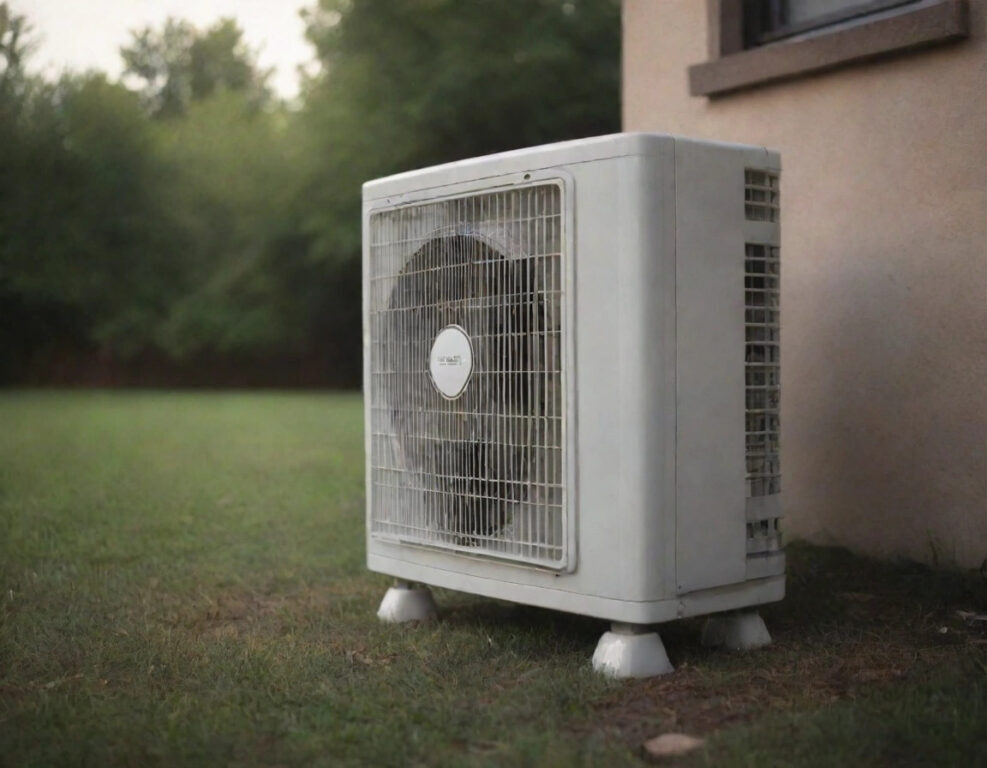
Aerothermal energy is a system that extracts thermal energy from the outside air to heat your home, cool it, or provide you with domestic hot water. The heart of it all is the air-to-water heat pump, a machine that works just like your refrigerator, but in reverse.
Imagine the circuit of your fridge: it takes heat from inside and throws it outside. The aerothermal heat pump does the opposite: it captures the heat in the air outside, even at -15 °C, and puts it into your heating circuit. It sounds like witchcraft, but it’s basic thermodynamics.
The process has four phases that are worth knowing if you want to hold your own against a clever installer:
- Evaporator: a low-pressure refrigerant absorbs heat from the outside air. The refrigerant evaporates and turns into gas.
- Compressor: that gas is compressed, which sends its temperature and pressure soaring. This is where most of the system’s electricity is consumed.
- Condenser: the hot gas gives up its heat to the water in your radiators, underfloor heating, or DHW tank. The refrigerant cools and becomes liquid again.
- Expansion valve: it lowers the pressure of the liquid and the cycle starts again.
This cycle repeats non-stop. The key is that for every kilowatt of electricity you put into the compressor, you get between 3 and 4.5 kW of useful heat out. That’s the famous COP, which we’ll talk about later.
Real performance: COP and SCOP without the marketing
Many salespeople tell you that aerothermal energy has an efficiency of 400%. And it’s true, but only under ideal laboratory conditions. In your home, with a harsh winter in Burgos, the efficiency drops.
What matters is the SCOP (seasonal efficiency), which averages over the whole year. A good aerothermal unit has a SCOP between 3.5 and 4.5 in mild climates, and between 2.8 and 3.5 in cold areas. Even so, it’s still far more efficient than a gas boiler, which rarely exceeds 0.95.
The difference translates into your bill. With aerothermal energy, for every euro of electricity you get the equivalent of 3 euros of gas. And if you also have solar panels, the savings can be huge: there are real cases of homes that go from 200 euros a month in gas to 30 euros in electricity.
But watch out, it’s not all rosy. If your home has old cast-iron radiators and poor insulation, the heat pump will have to work at 70 °C and efficiency plummets. Aerothermal energy shines with underfloor heating or low-temperature radiators.
Aerothermal vs. gas boiler: the fight nobody tells you about
The gas boiler is cheap to install and heats up quickly. Aerothermal energy is more expensive upfront (between 8,000 and 15,000 euros with installation), but its running cost is much lower. The million-dollar question: when do you break even?
It depends on three factors: the price of electricity, the price of gas, and your consumption. With current prices (2026), the typical payback is between 6 and 10 years. If gas rises more than electricity, it shortens. If you live in an area where electricity is very expensive and gas is cheap, it can stretch out.
My advice: if you have to replace the boiler no matter what, and your home is well insulated, go for aerothermal energy. If your boiler works fine and you don’t have underfloor heating, wait. Don’t get carried away by the hype.
Advantages that really matter (and the ones that don’t)
The big advantage of aerothermal energy is that with a single unit you get heating, cooling, and hot water. That simplifies the installation and reduces maintenance. No more having a boiler, air conditioning, and electric water heater separately.
Another real advantage: you don’t burn anything. Zero emissions in your home. If the electricity you consume comes from renewables, your carbon footprint plummets. And if you have solar panels, self-consumption is put to much better use because the heat pump consumes electricity constantly and predictably.
It also raises the value of the property. An energy certificate with an A or B rating is a very powerful selling point. Buyers increasingly look at that.
Disadvantages? The upfront price, the noise of the outdoor unit (although current models are quite quiet, around 40 dB), and the fact that you need outdoor space. In flats without a terrace or patio, forget it.
Maintenance and lifespan: what they don’t tell you
Aerothermal energy requires less maintenance than a boiler, but it’s not zero. Every 2-3 years it’s advisable to check the refrigerant circuit, clean the evaporator, and check pressures. A maintenance contract runs around 150-250 euros a year.
The lifespan of a well-installed heat pump is between 15 and 20 years. The compressor is the critical part; if it fails, the repair can cost 2,000 euros or more. That’s why I insist: choose brands with good technical service in your area, not the cheapest one on the internet.
A detail many ignore: the quality of the installation matters more than the brand. A mediocre unit well installed performs better than a top one badly installed. Ask the installer for references and steer clear of suspiciously low quotes.
Is it worth it in 2026?
If you have a home with underfloor heating, good insulation, and want to get rid of gas, aerothermal energy is the best option right now. If you have old radiators and a tight budget, it might be worth waiting or combining it with a hybrid boiler.
The future is heading toward the electrification of heat, and aerothermal energy is the most mature technology to achieve it. Public subsidies are still there (although they change every year), and equipment prices have dropped 20% over the last decade. It’s not a fad: it’s the standard that’s coming.
That said, don’t trust the first quote. Get at least three, demand a thermal load study, and ask about the real SCOP in your climate zone. With that, you decide with data, not promises.