

Post actualizado el día octubre 26, 2026 by DeiviSanzPlay
Every generation gets mocked for something. Boomers were called lazy, Gen X was called cynical, and now Gen Z — the ones who grew up with a smartphone practically glued to their hand — gets written off as distracted, fragile, and chronically online. The reality is messier and way more interesting. These kids are rewriting the rules of work, money, and mental health in ways that a lot of us older folks are quietly copying.
Who Exactly Is Generation Z in 2026?
The common cut-off puts Generation Z roughly between 1997 and 2012, which means in 2026 the oldest Zoomers are pushing 29 and the youngest are barely teenagers. That split matters. A 28-year-old is already managing teams, signing mortgages, and running side businesses, while a 14-year-old is still figuring out which TikTok trend to jump on.
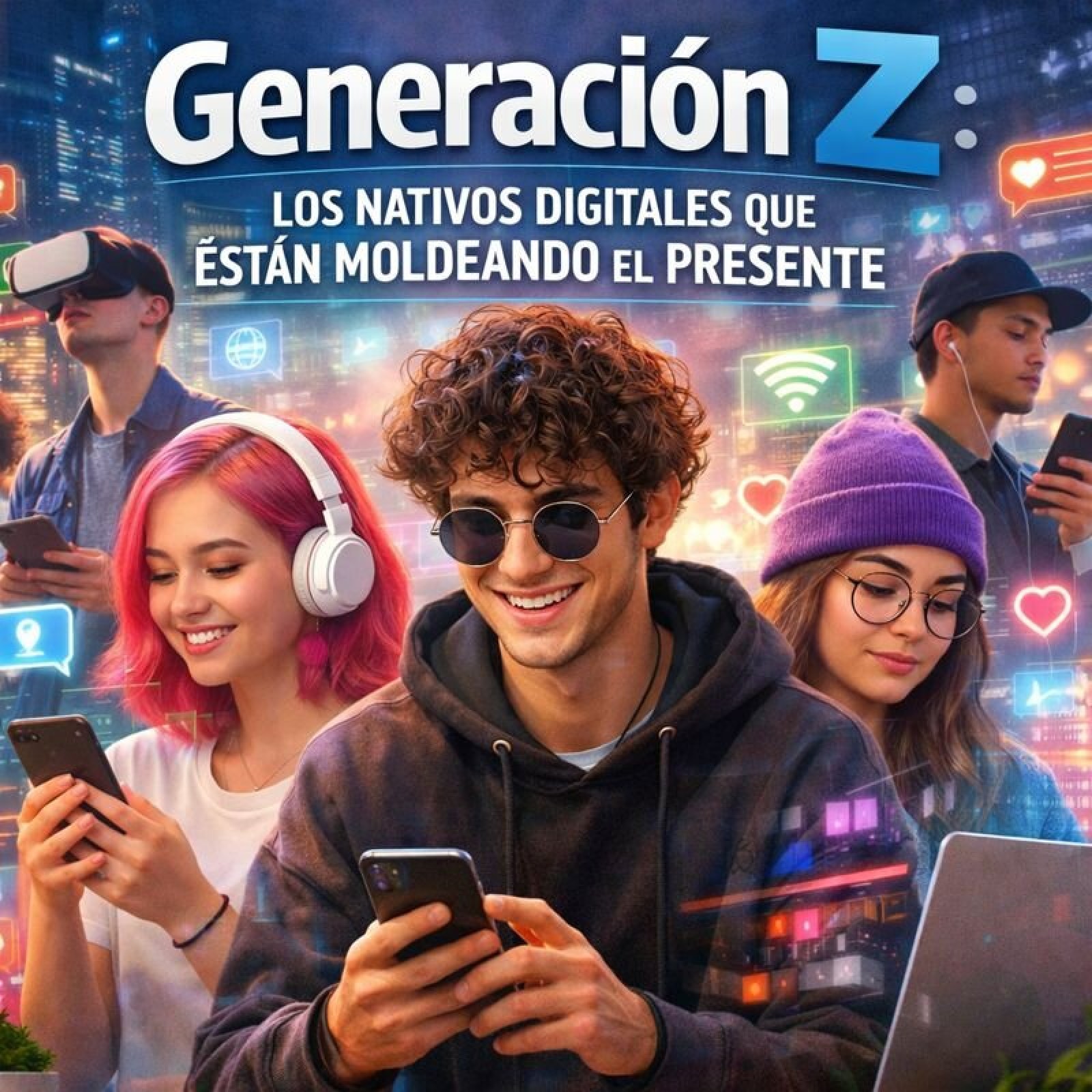
What ties them together is the phone. Not as a gadget, but as the primary interface with reality. For Generation Z, digital and physical life aren’t separate worlds — they bleed into each other constantly. Researchers sometimes call this «phigital,» and it explains why a Zoomer can be at a family dinner and still fully present in three group chats at once.
Compare that to Gen X, born between 1965 and 1980, who grew up with landlines, saved money obsessively, and researched every purchase for weeks before committing. Different wiring entirely.
Why Generation Z Refuses the Traditional Career Ladder
Here’s where the older crowd gets uncomfortable. A huge chunk of Generation Z looks at a 40-year corporate ladder and says no thanks. They want side hustles, freelance gigs, small businesses, and creator income instead of a single employer dictating their life.
This isn’t laziness. It’s a rational response to watching their parents get laid off after decades of loyalty. When you grow up seeing that, building multiple income streams stops looking risky and starts looking smart.
They also learn differently. YouTube tutorials, Reddit threads, Discord communities, and now AI tools replace expensive courses. A 22-year-old can teach themselves video editing, coding, or e-commerce in months without a single formal class. That’s a real competitive edge, not a personality quirk.
The Gen Z work mantra: flexibility over prestige, purpose over paychecks, and mental health over hustle culture.
The Mental Health Paradox Nobody Wants to Admit
Generation Z reports the highest rates of anxiety, depression, and stress of any living generation. That’s a fact backed by years of surveys from the American Psychological Association and similar bodies worldwide. Climate anxiety, economic uncertainty, social comparison on Instagram and TikTok, and the lingering fallout from the pandemic all pile on top of each other.
Here’s the thing though — and this is where I’ll take a side — the open conversation about mental health is genuinely progress. Older generations buried their struggles, self-medicated, and called it strength. Zoomers talk about therapy the way previous generations talked about the gym. That destigmatization is arguably their biggest cultural contribution so far.
But the flip side is real too. Spending six to ten hours a day online, mostly on algorithm-driven platforms, isn’t neutral. It shapes attention spans, self-image, and sleep. Generation Z knows this better than anyone, which is why you see so many of them doing digital detoxes, screen-time limits, and «dumb phone» experiments.
Generation Z in Latin America: 160 Million Strong
Roughly one in four Latin Americans belongs to Generation Z — around 160 million young people across the region. They share the same global concerns about climate and equality, but the context is brutally different.
Job precarity, informal work, and unequal access to quality tech shape everything. A Zoomer in Mexico City or São Paulo might be organizing a protest through a WhatsApp group, a Discord server, and a video game chat simultaneously. Digital activism isn’t a hobby there — it’s often the only affordable way to be heard.
Critics say this activism is too niche, too individualistic, too performative. There’s some truth in that. A hashtag doesn’t pass laws. But dismissing the whole thing misses how quickly online movements have translated into real electoral and policy shifts across the region.
What Brands and Employers Still Get Wrong
Companies keep trying to sell to Generation Z with the same playbook they used for millennials, and it flops. Zoomers smell fake instantly. They grew up with influencer marketing, sponsored posts, and AI-generated content — their BS detector is finely tuned.
What actually works is boring to say but hard to do: be transparent, show your supply chain, admit when you screw up, and don’t pretend to care about the planet while flying private jets. Authenticity isn’t a buzzword here. It’s a filter.
The same goes for employers. Offering a ping-pong table while demanding 60-hour weeks is a joke. Generation Z wants remote flexibility, clear growth paths, mental health support, and managers who don’t micromanage. Give them that and they’ll outwork almost anyone.
Debt, Savings, and the Money Mindset Shift
One myth worth killing: Generation Z is not financially reckless. Studies from Deloitte and Bankrate consistently show they’re actually more conservative with money than millennials were at the same age. Many watched their parents lose homes in 2008 and learned the lesson hard.
They save earlier, invest younger through apps like Robinhood or Nu, and treat credit cards with suspicion. That doesn’t mean they don’t spend — they’ll happily drop money on experiences, skincare, and gaming — but the underlying psychology is caution, not chaos.
The Bottom Line on the Phone Generation
Mocking Generation Z for being glued to screens is easy and mostly lazy. The same tools that supposedly fried their brains also let them learn faster, organize quicker, and build careers their parents couldn’t imagine. They’re not the future — they’re already running parts of the present.
Whether you’re a brand, a manager, a teacher, or just a confused Gen Xer trying to understand your kid, the smart move is to stop judging and start paying attention. Generation Z isn’t waiting for permission to change things. They’re doing it while you scroll past their posts.
