

Post actualizado el día octubre 17, 2026 by DeiviSanzPlay
Let’s cut the crap: German cockroaches aren’t just gross, they’re a full-blown invasion waiting to happen. You’ve probably seen one scurry under the fridge and thought, «okay, just one.» Wrong. That single roach is a baby-making machine. A German cockroach infestation can go from a couple of critters to a full-scale takeover in a matter of weeks if you don’t act fast. And no, spraying perfume or leaving a few traps won’t cut it. You need a plan. Here’s the 3-step method that actually works, based on what entomologists and pest control pros have been saying for years.
Why German Cockroaches Are a Nightmare to Kill
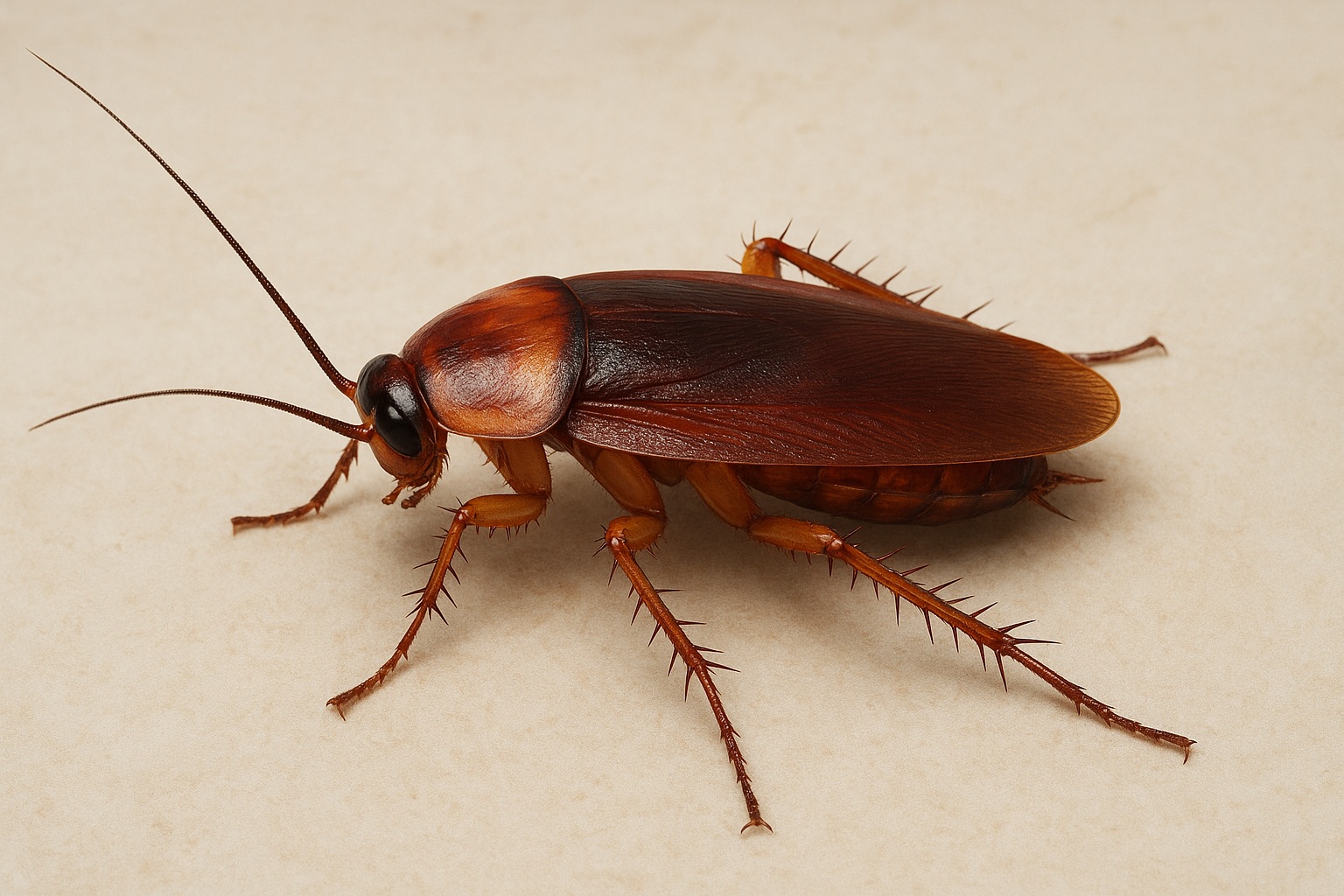
First off, know your enemy. The German cockroach (Blattella germanica) is not like those big, dumb American roaches that wander in from outside. These guys are small, fast, and they live with you. They love warm, humid spots: your kitchen, bathroom, behind the dishwasher, inside the microwave clock. Anywhere with heat and moisture.
Here’s the kicker: a single female can produce up to 30,000 offspring in a year. That number comes from a University of Florida study, and it’s not an exaggeration. She carries an egg case (ootheca) with 30-40 eggs, and she can produce several cases in her lifetime. Do the math. That’s why a German cockroach problem explodes overnight.
On top of that, they’ve developed resistance to many common insecticides. The sprays you buy at the supermarket? Often useless. They just scatter the population and make them harder to find. So stop wasting money on foggers and cheap sprays. You need a smarter approach.
Step 1: Kill Them with Baits, Not Sprays
Forget boric acid and baking soda «recipes» you see on Pinterest. They can work, but they’re slow and unreliable. The real weapon is gel bait with fipronil or indoxacarb. Why? Because roaches eat it, crawl back to their hiding spot, and die. Other roaches eat the dead body or the feces and get poisoned too. It’s a domino effect.
But here’s where most people screw up: they put down one or two dabs of bait and call it a day. That’s not enough. You need to place bait every 6 to 12 inches in cracks and crevices. Under the fridge, behind the stove, along the backsplash, inside cabinet hinges, near pipes under the sink. Use a flashlight and look for their poop (tiny black specks) and egg cases. That’s where you bait.
Also, don’t use bait and spray at the same time. The spray repels them and they won’t eat the bait. Be patient. You’ll see fewer roaches within 3-5 days, and a massive drop in two weeks. If you see none after a month, you’re winning.
Step 2: Trap and Monitor to Confirm You’re Winning
Baits kill, but traps tell you if you’re actually done. Sticky traps with pheromones are cheap and effective. Place them along walls, under appliances, and in corners. Check them every few days. If you’re catching adults, the infestation is still active. If you only catch babies, you’re killing the next generation. If you catch nothing for two weeks straight, you’ve likely wiped them out.
This step is crucial because German cockroaches are nocturnal and hide in tiny cracks. You might think they’re gone, but they’re just hiding. Traps give you proof. I’ve seen people give up too early, only to have a full-blown cockroach reinfestation a month later. Don’t be that person.
Step 3: Starve Them Out and Seal the Entry Points
You can kill every roach in your house, but if you don’t remove their food and water, new ones will move in. German cockroaches can survive on crumbs, grease, and moisture. So clean like you mean it. Wipe down counters, sweep under appliances, vacuum cracks, and fix leaky faucets. Store food in airtight containers. Take out the trash every night. Don’t leave pet food out.
Next, seal up cracks and crevices. Use caulk or expanding foam around pipes, baseboards, and cabinet seams. This removes their hiding spots and makes it harder for them to travel. It’s tedious, but it’s the difference between a one-time fix and a never-ending battle.
One more thing: humidity. German cockroaches thrive in damp environments. If your bathroom or kitchen is always wet, get a dehumidifier or fix the ventilation. Dry is death to them.
When to Call a Pro (And When Not To)
If you’ve followed these steps for 2-3 weeks and still see roaches, it’s time to call an exterminator. Not because you failed, but because large infestations sometimes need professional-grade insecticides or insect growth regulators (IGRs) that stop them from reproducing. Those are not available to the general public for good reason.
But here’s my honest take: most people can handle a mild to moderate German cockroach problem with baits, traps, and sanitation. The pros are for when you’ve got thousands of them or they’re coming from a neighboring apartment. If you live in an apartment building, tell your landlord. It’s their problem too, and if they don’t act, the roaches will keep coming back no matter what you do.
So there you have it. Three steps: bait, trap, and starve. No chemicals needed if you do it right. No magic pills. Just consistency. And if you’re reading this in 2026, know that the same methods still work because roaches haven’t evolved that fast. Good luck. You’ve got this.
