Post actualizado el día octubre 25, 2026 by DeiviSanzPlay
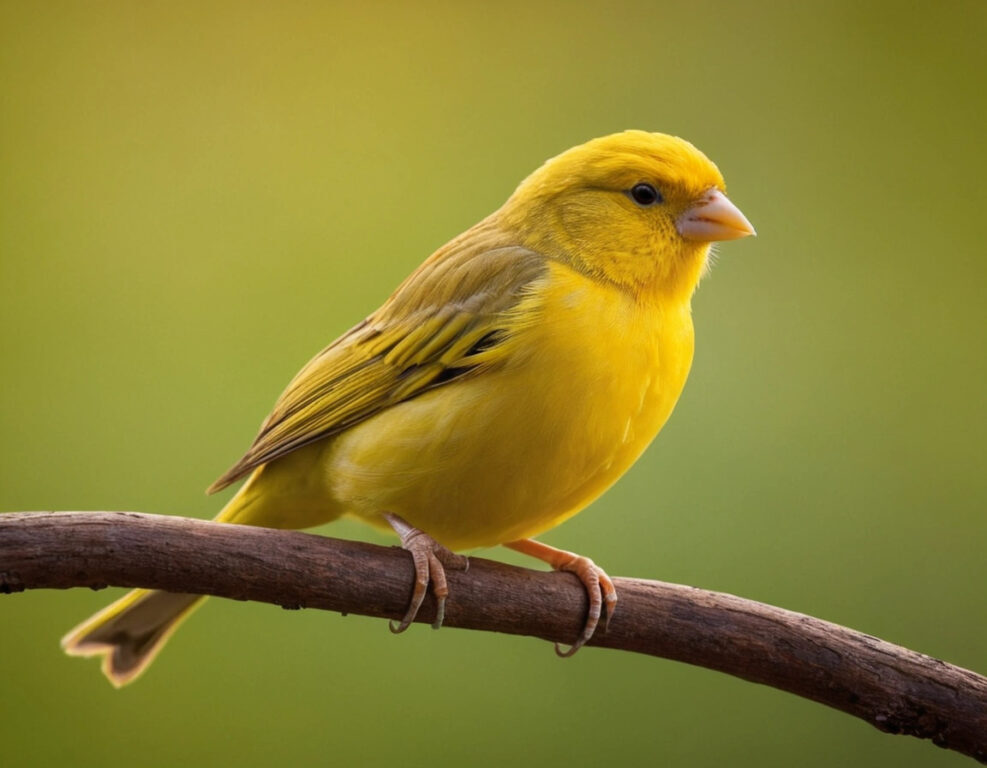
If you have a yellow canary at home or are thinking about adopting one, the first thing you wonder is how many years it will be with you. And the answer isn’t a fixed number. A well-cared-for yellow canary can live between 10 and 15 years, but I’ve seen cases of birds that reach 18 and even 20 years when they’re given exceptional care. The key isn’t luck, but how you care for it from day one.
Many people believe that a canary is a cage animal that lasts a couple of years. Wrong. If you care for it as it deserves, that little yellow bird can become a companion for more than a decade. But beware, not all yellow canaries live the same. Genetics, diet, stress, and even air quality influence more than most people imagine.
Real life expectancy: facts they don’t tell you
When we talk about how long a yellow canary lives, we have to distinguish between captivity and freedom. In the wild, a yellow canary hardly exceeds 5 or 6 years, because it’s exposed to predators, disease, and lack of food. In captivity, the life expectancy of a yellow canary shoots up to 10-15 years, and with premium care it can reach 18. I’ve read studies from breeders that confirm that the longevity of a yellow canary is directly linked to the quality of life you give it.
Now, why do some die at 6 years and others at 15? The answer lies in the factors I detail below. A canary in a tiny cage is not the same as one that can fly and exercise.
Diet: the fuel for a long life
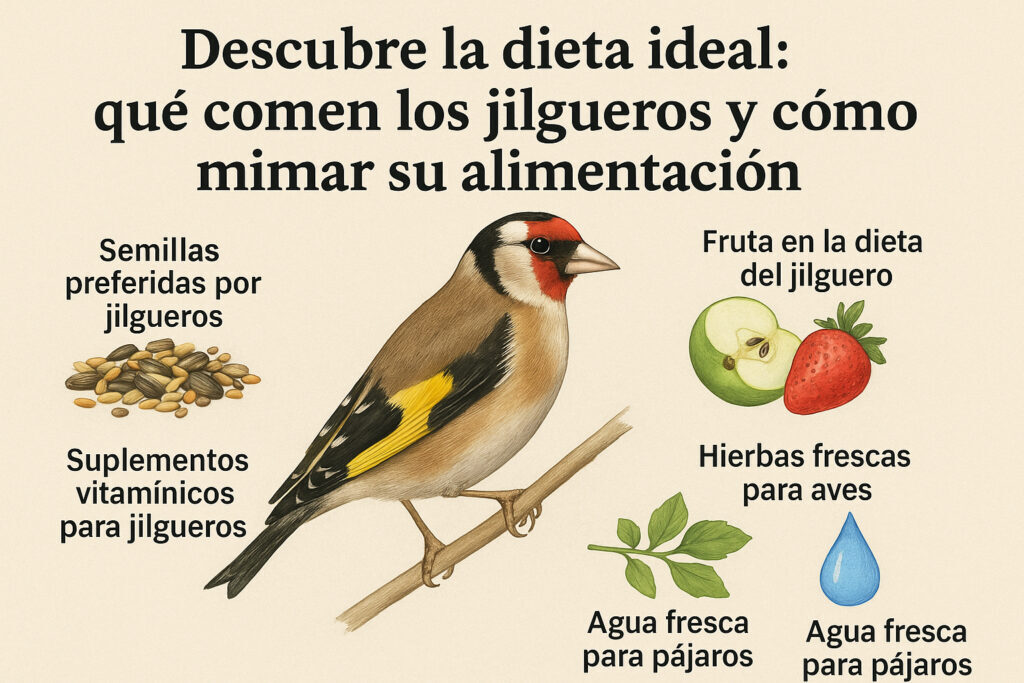
Diet is the number one pillar for a yellow canary to live many years. It’s not enough to give it canary seed and water. A long-lived yellow canary needs a mix of varied seeds (canary seed, rapeseed, perilla, oats), but also fresh vegetables such as spinach, broccoli, grated carrot, and fruits like apple or pear. Of course, without overdoing it with fruit because of the sugar.
A typical mistake is thinking that seeds alone are enough. False. Seeds alone don’t cover all nutritional needs. Yellow canaries that live more than 12 years usually receive vitamin and mineral supplements, especially calcium (cuttlebone) and iodine. Lack of iodine can cause thyroid problems, very common in canaries.
The water must be clean and fresh, changed daily. And watch out for the water dispensers: if mold builds up, your canary will get sick. Hygiene in feeding is as important as the food itself.
The cage and the environment: stress that kills
Stress is a silent killer. A yellow canary that lives in a small, dirty cage or in a room with loud noises or drafts will live less. The ideal cage should be spacious, with room to fly from one side to the other. At minimum, 60 cm long, but the bigger, the better.
Cleaning is non-negotiable. Accumulated droppings generate ammonia, which damages birds’ respiratory tracts. Yellow canaries are especially sensitive to respiratory infections. Clean the tray every two days and disinfect the cage thoroughly once a week.
Location also matters. Don’t put the cage near the kitchen (gases, fumes) or in a place with drafts. A quiet environment, with natural light but without strong direct sun, is what makes the difference between a canary that lives 8 years and one that reaches 15.
Health and vet: early detection
Yellow canaries are experts at hiding illness. When you notice it’s puffed up, with ruffled feathers or listless, it may already be too late. That’s why daily observation is key. Any change in singing, appetite, or droppings should set off the alarm.
Take your canary to a vet specialized in birds at least once a year. Not all vets know about birds; look for one with experience in psittacines and passerines. Early detection of parasites, respiratory infections, or digestive problems can extend the life of your yellow canary by several years.
Also, avoid self-medication. Home remedies or antibiotics without a prescription can poison your bird. A professional will know what to do.
Genetics and breeding: what you can’t change
Genetics influence a lot. A yellow canary bred in an aviary with good genetic selection has better odds of living longer. Breeders who avoid inbreeding and cross healthy lines produce longer-lived canaries. If you can, ask the breeder about the origin and health of the parents.
That said, genetics isn’t everything. I’ve seen canaries from mediocre breeders that have lived 14 years thanks to exceptional care. And the reverse: premium-line canaries that die young from neglect. So don’t obsess over lineage; focus on what you can control.
Companionship and stimulation: healthy mind, long life
Yellow canaries are social birds. A canary alone, without interaction, can become depressed and live less. If you can, keep a pair or, at least, interact with it daily. Talk to it, play soft music, give it toys to peck at. Mental stimulation reduces stress and strengthens the immune system.
Be careful about putting two males in the same cage, because they’ll fight. If you opt for company, better a female or a divided cage. Loneliness isn’t good, but constant conflict is worse.
Mistakes that shorten your yellow canary’s life
- Monotonous diet: only canary seed or only fatty seeds.
- Dirty cage: accumulation of droppings and lack of disinfection.
- Stress from noise or pets: dogs, cats, or children shouting nearby.
- Drafts: colds that get complicated.
- Lack of exercise: small cages with no possibility of flight.
- Not going to the vet: untreated illnesses.
Avoiding these mistakes is more important than any miracle trick. The longevity of a yellow canary is built with consistency, not with promises.
How long does a yellow canary live depending on its care? The final answer
If you ask me how long a yellow canary lives, I’ll tell you that with basic care (decent food, clean cage, fresh water) it can reach 10 years. With good care (varied diet, exercise, vet checkups) it reaches 12-15. And with exceptional care (healthy genetics, enriched environment, daily attention) it can exceed 15, even 18 in rare cases.
The difference between a canary that lives 8 years and another that lives 15 isn’t magic. It’s consistency. It’s dedicating five minutes a day to observe, clean, and feed it well. If you’re willing to do that, you’ll have a yellow companion for more than a decade.
And if you already have one, don’t wait until tomorrow to improve its cage or its diet. Every day counts. The life expectancy of a yellow canary is in your hands more than you think.