Post actualizado el día octubre 26, 2026 by DeiviSanzPlay
If you’ve got a two-month-old at home, you’ve probably googled «how much should a 2-month-old baby sleep» at 3 a.m. while bouncing a tiny human on your shoulder. I get it. The short answer: somewhere between 14 and 17 hours total across 24 hours. But that number alone tells you nothing useful unless you understand how those hours actually get distributed.
According to the American Academy of Pediatrics and the National Sleep Foundation, a 2-month-old baby sleep schedule is still chaotic by design. Your baby’s circadian rhythm — the internal clock that separates day from night — hasn’t fully kicked in yet. That’s why they can sleep five hours in the afternoon and then party at midnight.
How Many Hours a 2-Month-Old Baby Sleeps Day vs Night
Break it down: roughly 9 to 11 hours at night and 4 to 6 hours during the day. Those daytime hours come in 2-3 hour chunks, and night sleep is fragmented too. A 2-month-old baby wakes up two to three times per night to feed, sometimes more during growth spurts.
If your baby sleeps 14 hours but in ten different pieces, that’s still normal. Total sleep matters more than uninterrupted stretches at this age. Pediatric sleep researchers like those at Boston Children’s Hospital confirm that consolidated night sleep typically starts emerging between 3 and 4 months, not at 2.
Some babies are outliers. I’ve seen 2-month-olds who clock 12 hours and thrive, and others who need 18 and still yawn. Watch your baby, not the chart.
Is It Normal for a 2-Month-Old to Sleep a Lot?
Yes, and don’t let anyone scare you into thinking otherwise. A 2-month-old baby sleeping a lot is doing exactly what their brain and body demand. During sleep, growth hormone peaks, neural connections form at ridiculous speed, and the immune system gets its workout.
What’s NOT normal: a baby who sleeps constantly and is hard to wake for feeds, or who seems lethargic when awake. That’s a red flag for jaundice, infection, or feeding issues. Call your pediatrician.
The distinction matters. A well-fed, alert-when-awake baby who sleeps 16 hours is fine. A baby who sleeps 16 hours and won’t latch or seems floppy is not. Trust your gut on this one.
Signs Your 2-Month-Old Baby Isn’t Sleeping Enough
Overtired babies don’t just get cranky — they get wired. Watch for:
- Frequent yawning, eye rubbing, or pulling at ears
- Fussing that escalates into inconsolable crying
- Refusing to feed or falling asleep mid-feed constantly
- Waking more often at night, not less (the overtired paradox)
- Stiff body, arched back, or frantic movements
If two or more of these show up daily, your baby’s 2-month-old sleep schedule needs tightening. Not because you’re failing, but because overtiredness compounds fast at this age.
How to Start a Sleep Routine for a 2-Month-Old Baby
You don’t need a rigid schedule. You need a rhythm. At 2 months, the goal is to teach the difference between day and night, not to force a 7 p.m. bedtime.
Here’s what actually works, based on what pediatric sleep consultants consistently recommend:
- Light exposure: Keep daytime feeds and play in bright rooms. Dim the lights an hour before night sleep.
- Feeding pattern: Cluster feeds in the evening to help your baby tank up before the longer night stretch.
- Wind-down ritual: Warm bath, dim lights, feed, then bed. Same order every night.
- Drowsy but awake: Put your baby down when sleepy but still awake. This is hard at 2 months, but start practicing.
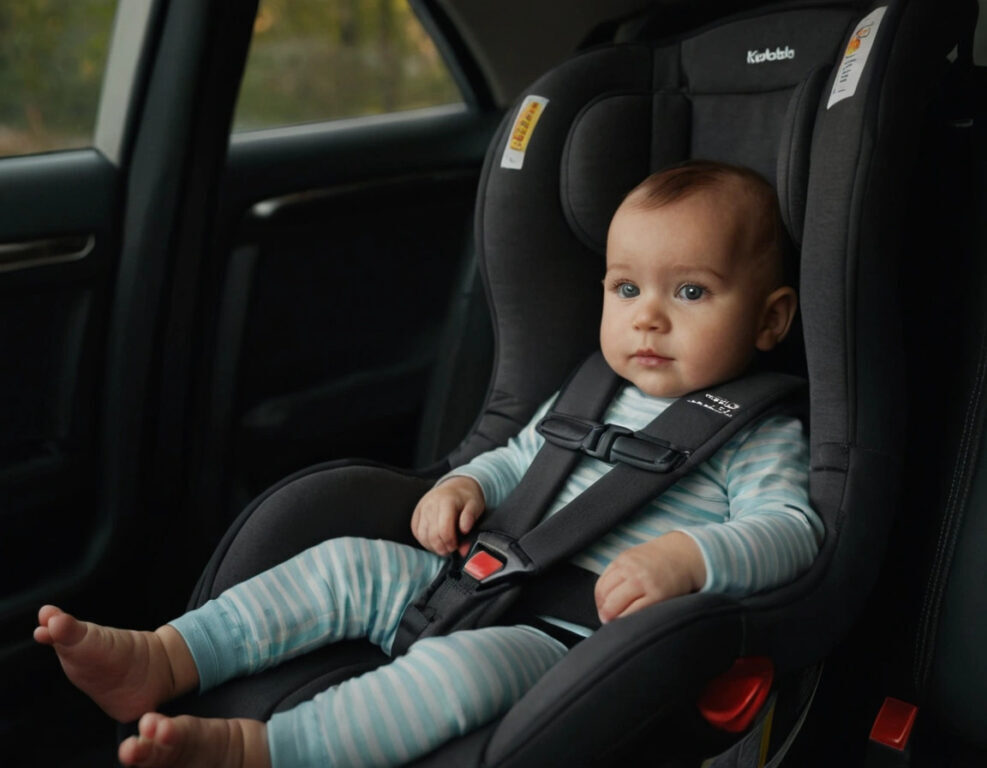
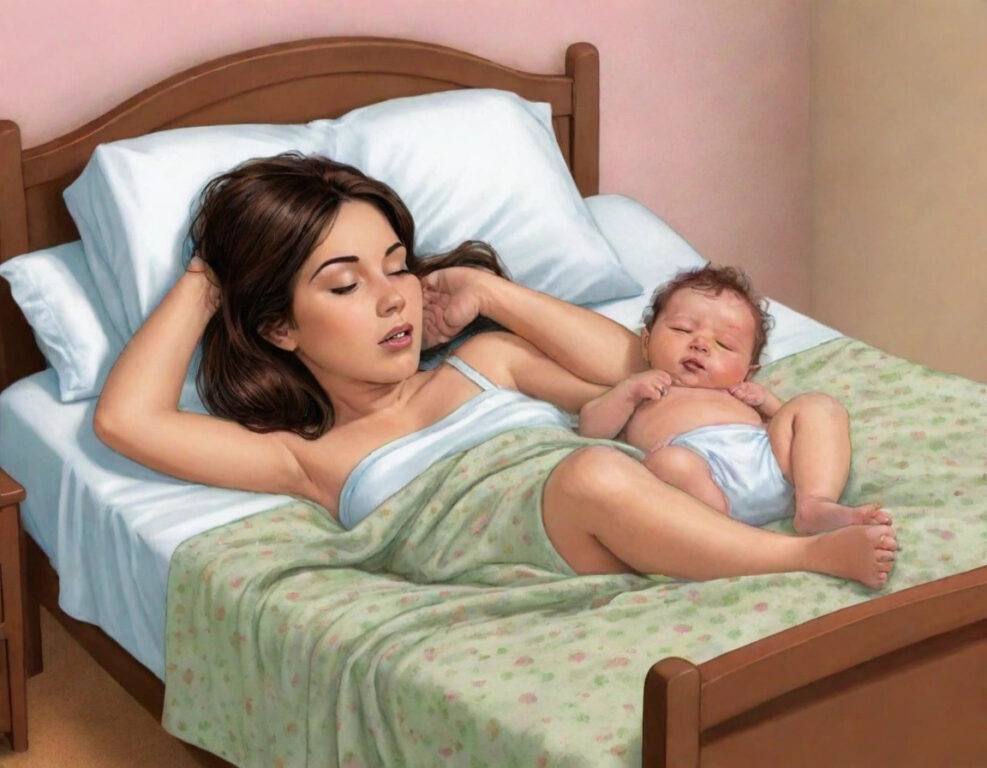
- Safe sleep: Firm mattress, no loose blankets, back to sleep. Always.
Skip the expensive sleep-training programs marketed for newborns. At 2 months, you’re building foundations, not enforcing rules.
Why Sleep Matters More Than You Think at 2 Months
Sleep isn’t passive downtime. During deep sleep, your baby’s brain consolidates learning, prunes unused neural pathways, and releases hormones that drive physical growth. A 2-month-old baby sleep regression — yes, they exist this early — can throw all of that off.
Research from the journal Sleep shows that infants who get adequate sleep in the first months score higher on developmental assessments later. Not because sleep makes them smart, but because chronic sleep deprivation disrupts everything from appetite regulation to emotional processing.
That’s why I push back on the «just survive» mentality. Yes, you’re exhausted. But the effort you put into protecting your baby’s sleep now pays off in mood, feeding, and development within weeks.
When to Call the Pediatrician About Your Baby’s Sleep
Two months is also when some serious sleep-related issues surface. Get medical advice if:
- Your baby sleeps less than 12 hours total in 24 hours
- They snore loudly, pause breathing, or gasp during sleep (possible sleep apnea)
- They’re impossible to wake for feeds
- Weight gain has stalled or dropped
- They seem in pain when lying flat (reflux, ear infection)
Don’t wait it out. A 2-month-old baby sleep problem that persists for more than a week deserves a professional look. The fix is often simple — a feeding adjustment, a reflux medication, a tongue-tie revision — but you won’t know until you ask.
The Bottom Line on 2-Month-Old Baby Sleep
Aim for 14 to 17 hours total, split roughly 9-11 at night and 4-6 during the day. Expect interruptions. Build a simple, repeatable routine. Watch your baby’s cues instead of the clock. And stop comparing your baby to the one in your mom group who «sleeps through the night» — that baby is the exception, not the rule.
If your baby is growing, feeding, and having alert periods during the day, you’re doing fine. If something feels off, trust that instinct. You know your baby better than any chart, app, or article — including this one.