Post actualizado el día octubre 25, 2026 by DeiviSanzPlay
Adopting a puppy is one of those decisions that changes your life. It’s not just a cute dog, it’s a living being that depends on you for everything. And I’ll tell you straight: if you’re not willing to sacrifice hours of sleep, clean up pee, and repeat commands a thousand times, you’d better wait. That said, if you’re in, this guide on how to care for a puppy will save you a lot of mistakes.
First things first: understand what you need before bringing them home
Many people rush to get the cutest puppy in the litter without thinking about the breed, size, or temperament. Mistake. Well-done puppy care starts before they arrive home. Ask yourself how much space you have, how many hours you’ll be away, and whether you have small children. A border collie needs 2 hours of daily exercise; a French bulldog is more than fine with 30 minutes and air conditioning.
According to the American Veterinary Medical Association, the first 4 months are the critical socialization window. What you don’t teach them during that period costs three times as much later. So don’t put it off.
Feeding: no gym or miracle diets
A well-fed puppy is a puppy that grows strong. But watch out, not everything goes. Cheap supermarket food usually contains more cereals than animal protein. Check the label: the first ingredient should be meat (chicken, lamb, salmon). If it says «by-product meal,» run.
How many times a day? Up to 3 months, 4 meals; from 3 to 6 months, 3; and from then on, 2. And don’t leave the bowl full all day. Puppies have no brakes and canine obesity is a real problem.
When you change kibble, do it over 7 days: 25% new + 75% old, then 50-50, then 75-25, and finally all new. That way you avoid diarrhea that will cost you a fortune at the vet.
Vaccines and deworming: don’t gamble with it
The puppy vaccination schedule is non-negotiable. At 6-8 weeks: polyvalent (parvovirus, distemper, hepatitis, leptospira). At 12 weeks: booster. At 16 weeks: booster + rabies. And don’t take them out on the street until they have all their doses. Yes, it’s tough, but parvovirus kills.
Deworm every 2 weeks until 3 months, then every month until 6 months, and after that every 3 months. Spot-on or pill, whatever your vet recommends. Don’t improvise with home remedies.
Routines: a puppy needs to know what’s going to happen
Dogs are creatures of habit. A puppy without a routine is an anxious puppy that chews furniture and cries at night. Set fixed schedules for eating, going outside, playing, and sleeping. Yes, even on weekends.
Bedtime is key. A 2-month-old puppy sleeps 18-20 hours a day. They need a quiet spot, with a comfortable bed and away from foot traffic. If they cry the first few days, hold firm. If you go every time they cry, you teach them that crying gets them attention. Tough, but it works.
Basic training: positive reinforcement and patience
Puppy training isn’t about taming, it’s about communicating. Start with «sit» and «stay.» Sessions of 5 minutes, 3 times a day. No yelling or punishment. Positive reinforcement (treat + praise) is what works best according to ethologists.
When to start? From day one. A 2-month-old puppy can already learn. Don’t wait until they’re 6 months old because by then they’ll already have habits you don’t like. And if you don’t have experience, sign up for a canine socialization course. It’s not an expense, it’s an investment.
Socialization: the most common mistake
Puppy socialization isn’t just about meeting other dogs. It’s about exposing them to noises, people, cars, children, umbrellas, vacuum cleaners… Everything they’re going to encounter in their life. Do it gradually and always with treats.
According to the National Association of Canine Trainers, a puppy that isn’t socialized before 4 months is more likely to be fearful or aggressive as an adult. Don’t lock them in the house «because they don’t have their vaccines yet.» Carry them in your arms to quiet places, or to the park but without touching the ground. There are ways.
Hygiene and physical care
You don’t need to bathe them every week. In fact, it’s bad for their skin. One bath a month, with puppy-specific shampoo. Brush them 2-3 times a week if they have long hair. And check their ears and nails every 15 days.
Teeth matter too. Get them used to you brushing them from a young age with gauze or a finger brush. If you don’t, by age 3 they’ll have tartar and possibly tooth loss. Dog dental care is what’s most often forgotten and what costs the most.
Adapting to home: patience and their own space
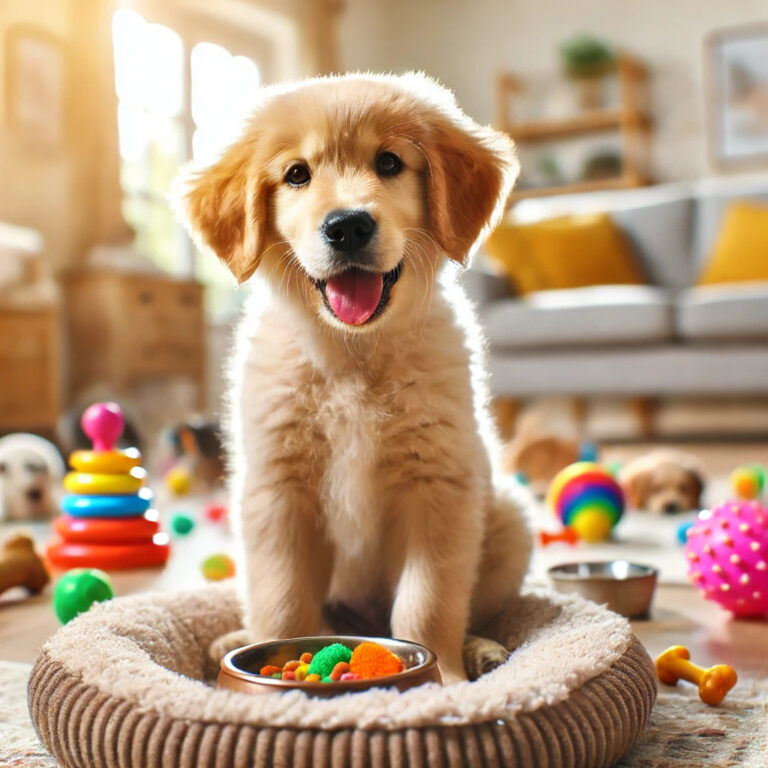
When they arrive home, give them a safe space: a bed, a toy, and a food bowl. Don’t overwhelm them with visitors on the first day. Let them explore at their own pace. If they hide, don’t force them out.
To teach them to do their business outside, take them out every 2 hours, after eating, sleeping, and playing. Reward them when they do it on the street. If they do it inside, don’t scold them. Clean with an enzymatic product to eliminate the smell. If you don’t, they’ll go back to the same spot.
Loud noises (vacuum cleaner, storms, firecrackers) scare them. Don’t comfort them excessively because you reinforce the fear. Act normal and give them a treat when they stay calm. That way they associate noise with something good.
The bond: what really matters
In the end, caring for a puppy isn’t just feeding them and vaccinating them. It’s spending time with them. Playing, petting, talking to them. Studies from the University of Lincoln show that dogs with positive interaction with their owners have less cortisol (stress hormone) and a better immune response.
You don’t need to spend a fortune on toys. A puppy is entertained with a ball, a rope, or a cardboard box. What they need is your attention. And consistency. If one day you let them up on the couch and the next day you scold them, you’ll drive them crazy.
Keep your emergency vet’s number handy. And a basic first-aid kit: gauze, saline solution, and bandages. Because puppies get into everything.
And if one day you’re at your wit’s end because they’ve chewed the TV remote, breathe. They’re a baby. They’re learning. Your job is to teach them, not punish them. With patience, positive reinforcement, and love, in 6 months you’ll have a well-balanced dog. And then you’ll understand why it was worth it.