Post actualizado el día octubre 27, 2026 by DeiviSanzPlay
So you bought a poinsettia, or someone gifted you one, and now you’re staring at it wondering how long before it turns into a sad pile of dry leaves. Relax. Poinsettia care is not rocket science, but it’s also not «water it once and forget it.» Most poinsettias die within three weeks in a normal home, and it’s almost always because of the same three mistakes: wrong light, wrong temperature, and overwatering. Fix those and your plant can easily make it to spring, and with some effort, even rebloom next Christmas.
What Poinsettias Actually Are (and Why That Matters)
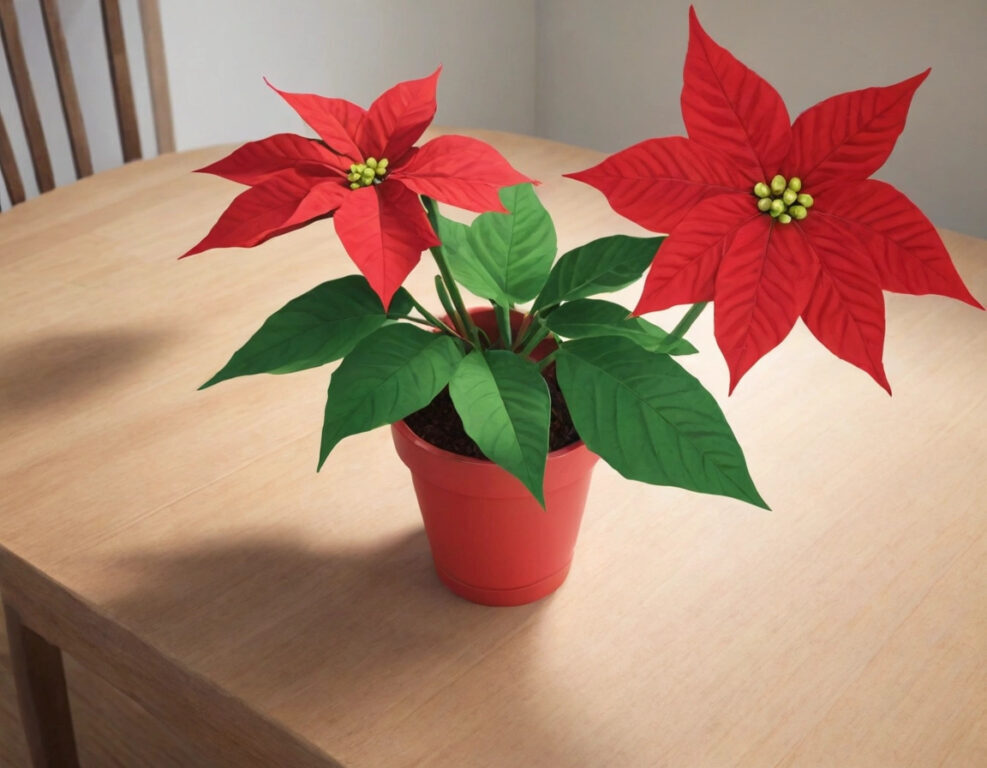
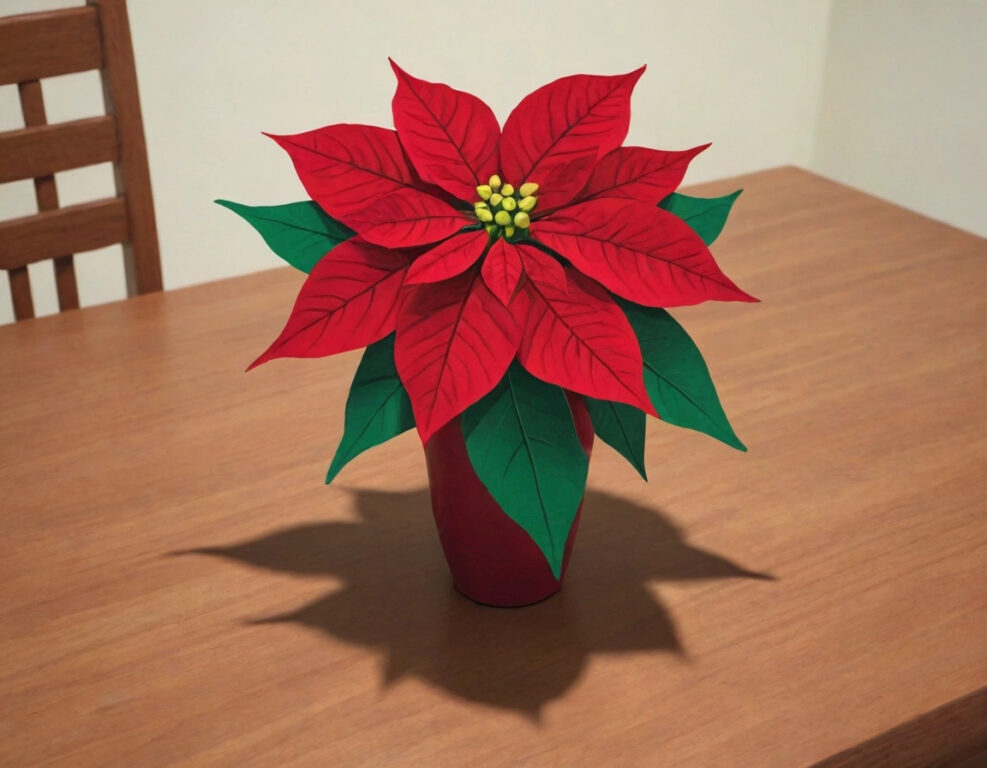
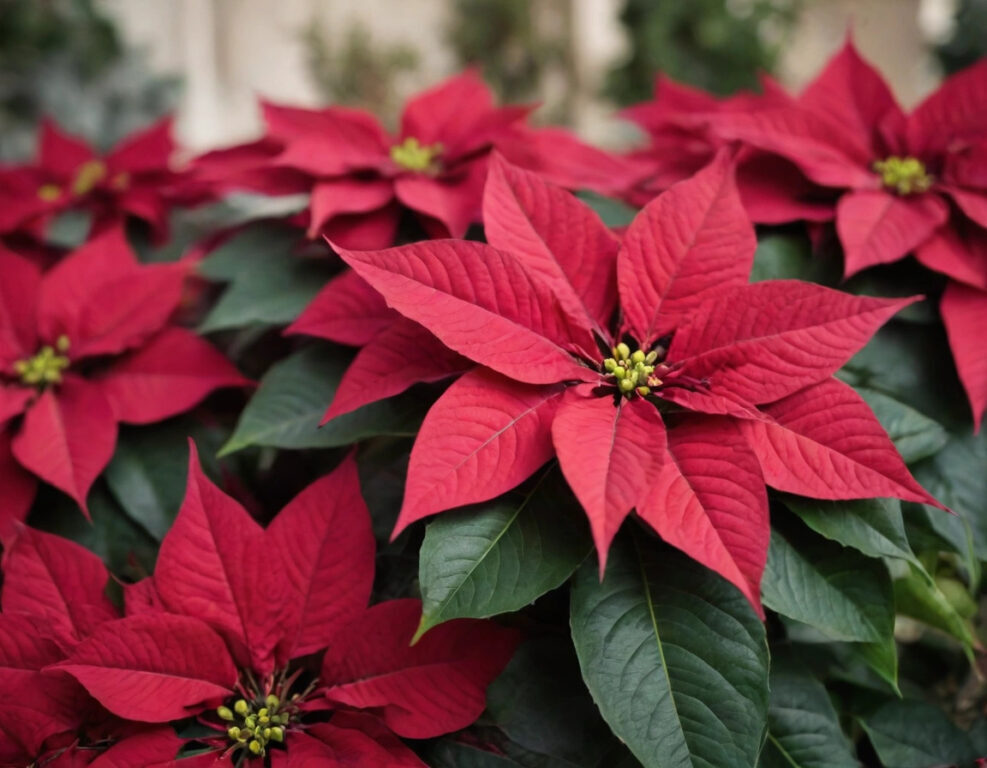
First thing to clear up: those red «flowers» aren’t flowers. They’re bracts — modified leaves that turn color to attract pollinators. The real flowers are the tiny yellow-green clusters in the center, called cyathia. The poinsettia (Euphorbia pulcherrima) is native to Mexico and was cultivated by the Aztecs long before it became a Christmas staple. It’s a tropical shrub, which tells you everything you need to know about its needs: warmth, humidity, and bright but filtered light.
Second thing: poinsettias are not poisonous to humans, despite the decades-old myth. According to the Pet Poison Helpline and multiple veterinary sources, ingestion causes only mild irritation, and a 50-pound child would have to eat hundreds of leaves to reach a toxic dose. The milky sap can irritate skin and eyes, so wear gloves if you’re pruning, and keep it away from cats and dogs anyway — not because it’s deadly, but because the sap is unpleasant and pets chew things they shouldn’t.
Light: Bright but Never Direct
Place your poinsettia somewhere it gets at least six hours of indirect bright light. A south- or east-facing window with a sheer curtain is ideal. Direct sun through glass will scorch the bracts and leaves faster than you’d expect — sometimes in a single afternoon. If the leaves look bleached or crispy at the edges, that’s sunburn, and it doesn’t heal.
If you have no good natural light, a grow light works fine. Ten to twelve hours a day under an LED panel keeps it happy through winter. What you should avoid is dark corners. A poinsettia in low light will drop leaves within two weeks and look miserable by New Year’s.
Watering: The Number One Killer
Overwatering kills more poinsettias than cold, dry air, and neglect combined. The rule is simple: touch the soil. If the top inch is dry, water. If it’s damp, wait. In a typical heated home in December, that usually means watering every 4–7 days, but check with your finger every time instead of following a schedule.
When you do water, do it thoroughly until it runs out the drainage holes, then empty the saucer or cachepot within 15 minutes. Standing water is a death sentence for the roots. And use room-temperature water — cold tap water shocks tropical roots and can cause leaf drop overnight.
If your poinsettia is wrapped in foil, take the foil off or poke holes in it. That decorative sleeve traps water at the bottom and rots the root ball. Every single year, that’s the culprit.
Temperature and Drafts
Poinsettias want 60–70°F (15–21°C) during the day and slightly cooler at night. Below 50°F (10°C) they suffer; below 45°F they can die. Above 75°F they drop leaves. That narrow range is why they hate being placed near radiators, fireplaces, or exterior doors that open constantly.
Cold drafts are just as bad as heat. A poinsettia sitting in the path of an AC vent or a drafty window will lose leaves within days. Find a spot with stable temperature — a side table away from vents and doors — and leave it there.
Humidity: The Overlooked Factor
Heated homes in winter have humidity around 20–30%, but poinsettias prefer 50–60%. Dry air causes bract drop and crispy leaf edges. A cheap humidifier nearby solves it. Alternatively, set the pot on a tray of pebbles with water just below the pebbles, so the pot never sits in water but the air around it stays moist. Misting helps a little but doesn’t replace real humidity.
Should You Fertilize?
While the plant is in bloom (the colorful bract stage), no fertilizer needed. The plant is running on reserves. Once the bracts fade and you’re keeping it as a green houseplant through spring and summer, feed it every two weeks with a balanced liquid fertilizer diluted to half strength. Stop feeding in October if you want to trigger reblooming.
Getting It to Bloom Again Next Year
This is where most people give up, and honestly, it’s fair. Reblooming a poinsettia requires short-day treatment: 14 hours of complete darkness every night for 8–10 weeks, starting around late September. Complete means complete — even a lamp across the room can interrupt the process. Put it in a closet or cover it with a box from 5 pm to 7 am, then bring it back into bright light during the day.
After 8–10 weeks of that routine, color starts to develop, and you can stop the dark treatment. Keep temperature around 65–70°F during this period and don’t overwater. It’s doable, but if you’d rather just buy a fresh one each December, no shame in that. Most commercial growers do the dark manipulation in greenhouses so you don’t have to.
Common Problems and What They Mean
- Yellow leaves falling off: usually overwatering or cold drafts. Check the soil first.
- Wilting despite wet soil: root rot. Repot into fresh, well-draining mix and cut away mushy roots.
- Bracts turning green: not enough light, or the plant is past its peak and reverting.
- White fuzzy spots: mealybugs or powdery mildew. Wipe with rubbing alcohol for bugs; improve airflow and reduce humidity on the leaves for mildew.
- Sudden leaf drop after bringing it home: stress from the move or cold exposure in transit. Give it stable conditions and it usually recovers in 10–14 days.
Buying a Healthy One in the First Place
Skip plants that are already shedding leaves in the store, or that have yellow cyathia (those are old). Look for tight, fully colored bracts and dark green lower leaves. And if it’s cold outside, ask the seller to wrap it before you carry it to the car — even five minutes at 40°F can shock it. Once home, don’t repot it while it’s blooming. Leave it in its original pot until spring.
Poinsettia care boils down to respecting that this is a tropical plant pretending to be a winter decoration. Give it indirect light, stable warmth, real humidity, and water only when the soil asks for it. Do that and you’ll have a poinsettia that looks as good in February as it did the day you brought it home — and maybe, if you’re patient, one that goes red again next December on its own.