Post actualizado el día octubre 26, 2026 by DeiviSanzPlay
So you’re staring at a wall of strollers online, each one screaming ‘buy me,’ and you have no clue where to start. I’ve been there. The truth is, choosing the ideal baby stroller isn’t about finding the fanciest model—it’s about matching the stroller to your actual life, not the one you wish you had.
Most parents waste weeks comparing specs that don’t matter and ignoring the ones that do. Let’s cut through the noise.
Know Your Terrain Before You Even Look at a Stroller
Before you get lost in brand names, answer one question honestly: where will you push this thing 90% of the time? If you live in a city with cracked sidewalks and subway stairs, a bulky all-terrain monster will make you miserable. If you’re in the suburbs with gravel paths and parks, a flimsy umbrella stroller will rattle your baby’s brains out.
The best baby stroller for your lifestyle is the one that fits your daily route, not your Pinterest board. I’ve seen parents buy a gorgeous UPPAbaby Vista only to realize it barely fits in their compact car trunk. That’s a $1,000 mistake.
«The right stroller disappears into your routine. The wrong one becomes a daily argument with your partner.»
Types of Baby Strollers: Pick Your Fighter
There are basically four breeds, and each one solves a different problem:
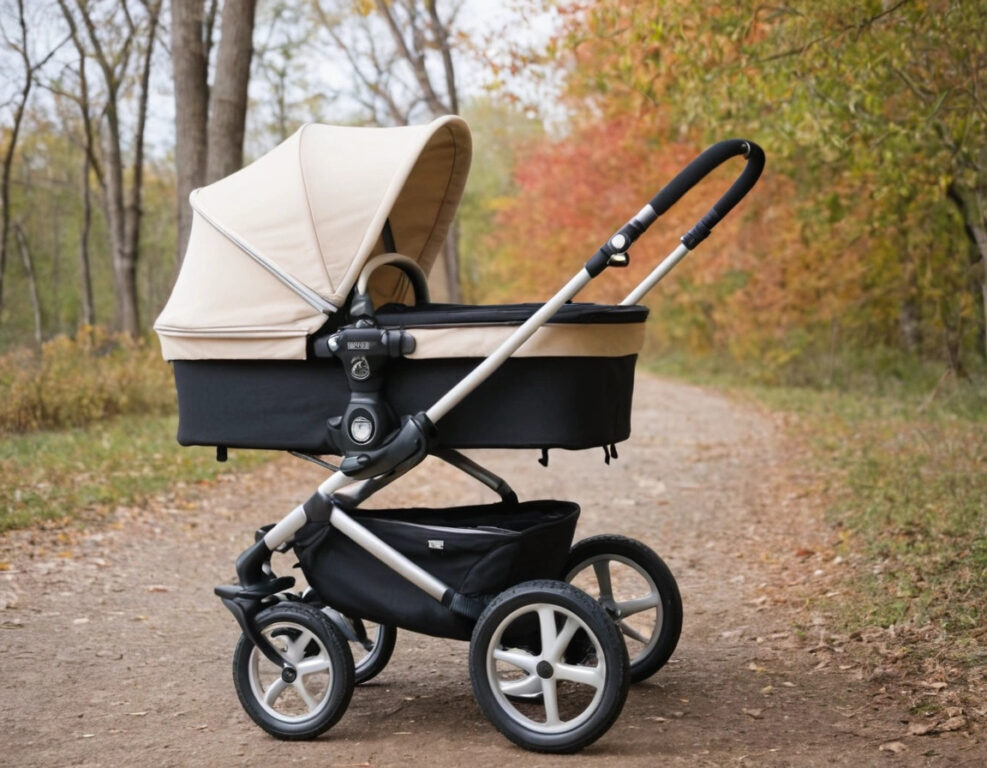
- Full-size strollers: Heavy, loaded with storage, great for newborns and long walks. Think Bugaboo Fox or Nuna Mixx. Not fun on buses.
- Modular strollers: Convert from bassinet to toddler seat, sometimes face you or face forward. UPPAbaby Cruz and Cybex Gazelle are top picks. Versatile but pricey.
- Lightweight strollers: Under 15 lbs, one-hand fold, perfect for travel and tight spaces. Baby Jogger City Tour 2 or GB Pockit. Terrible on grass.
- All-terrain strollers: Big air-filled wheels, suspension, built like tanks. BOB Revolution or Thule Urban Glide. Awesome for jogging, awful for grocery aisles.
Don’t buy a stroller that claims to do everything. Those ‘hybrids’ usually do nothing well.
Comfort and Safety: The Non-Negotiables for Your Baby Stroller
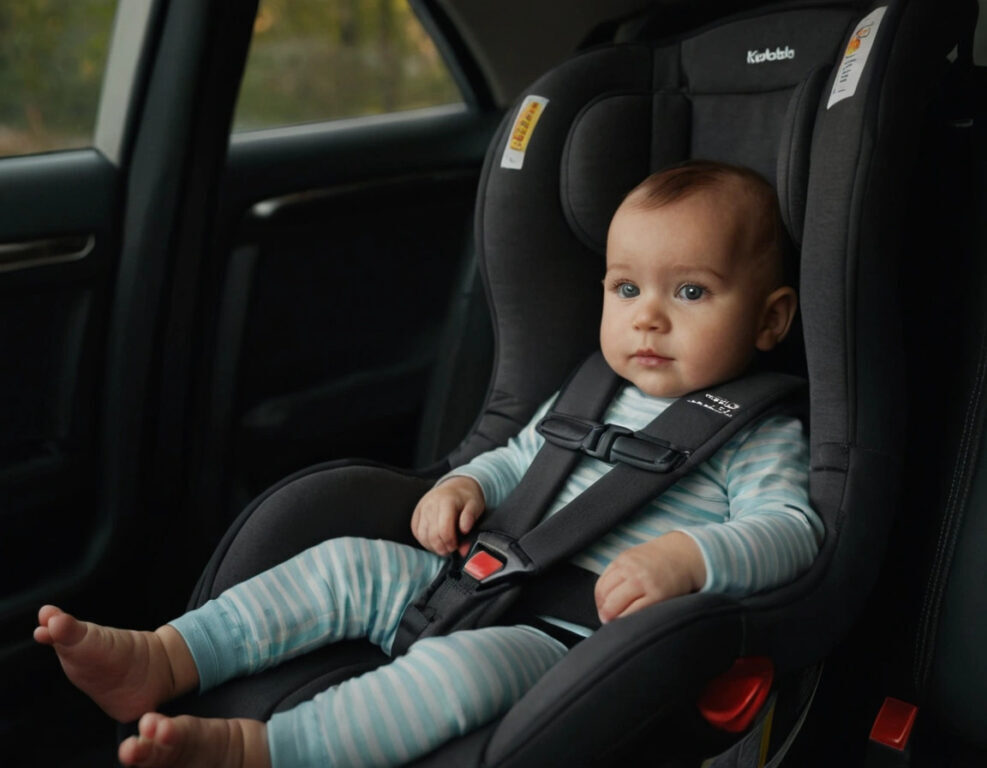
Your baby can’t tell you if the seat is uncomfortable, so you have to check it yourself. Look for a five-point harness—no exceptions. A three-point harness is a dealbreaker for newborns; they can slump forward and cut off their airway.
The seat should recline flat or nearly flat for babies under six months. If it only goes to 45 degrees, skip it. Padding matters too: cheap foam gets lumpy after three washes.
Check the brakes. A good stroller has a one-touch foot brake that locks both rear wheels. Test it in the store. If it’s stiff or confusing, you’ll never use it, and that’s how strollers roll away.
Stability is another thing. Give the stroller a gentle push on its side. If it tips easily, it’s a hazard, especially when you hang a diaper bag on the handlebar.
Common Mistakes When Buying a Baby Stroller (and How to Dodge Them)
The biggest screw-up? Buying online without folding it yourself. Every stroller folds differently, and some ‘one-hand folds’ require three hands and a YouTube tutorial.
Another classic: ignoring the weight limit. Most strollers cap at 50 lbs, but some lightweight models top out at 40 lbs. If your toddler is in the 90th percentile, you’ll be replacing it by age two.
Also, don’t assume the car seat you already own will click into any stroller. Adapters exist, but they cost extra and can make the setup wobbly. Always verify compatibility before you buy.
Best Stroller Brands for Newborns in 2026
Brands that consistently earn their price tag: Bugaboo (best maneuverability), UPPAbaby (best resale value), Chicco (best budget-friendly), Nuna (best for tall parents), and Baby Jogger (best for quick folds).
But here’s my hot take: don’t buy a brand just because it’s trendy. I’ve seen $1,200 strollers with plastic wheels that crack in winter. Read verified reviews on sites like Wirecutter or Consumer Reports, not just Amazon stars.
Also, consider buying used. Strollers are like cars—they depreciate fast. A gently used UPPAbaby from Facebook Marketplace can save you 40%, and you can often buy new fabrics for $50.
Lightweight vs All-Terrain Strollers: The Real Trade-Off
Lightweight strollers (under 15 lbs) are brilliant for public transit, air travel, and small apartments. But their tiny wheels get stuck on every pebble. If you walk more than two miles a day on uneven ground, you’ll hate them.
All-terrain strollers give you suspension, big wheels, and a smooth ride for your baby. But they’re heavy (25-35 lbs folded), bulky, and expensive. If you have a small trunk or live on the third floor with no elevator, forget it.
My advice: if you can afford two strollers, get a lightweight for the car and an all-terrain for the park. If not, pick the one that matches your most frequent outing. For most city parents, that’s a lightweight with slightly bigger wheels.
Ergonomics for You, Not Just Your Baby
A stroller that’s comfortable for your baby but kills your back is a fail. Check the handlebar height—if you’re over 5’10», you’ll want an adjustable handle. And make sure the stroller doesn’t kick the back of your ankles when you walk. That’s a sign the rear axle is too close to your stride.
Storage basket size matters more than you think. You need room for a diaper bag, groceries, and a jacket. If the basket is tiny or hard to access, you’ll be carrying everything.
One more thing: the fold. Practice it in the store with one hand while holding a fake baby (or a bag of flour). If you can’t do it smoothly, you’ll dread every trip.
Final Word: Test Before You Invest
No online guide—including this one—can tell you if a stroller feels right for your body and your baby. Go to a store. Push it around. Fold it. Lift it into a mock trunk. Then decide.
The ideal baby stroller is the one you’ll actually use every day without cursing. That’s the only metric that matters.