Post actualizado el día octubre 17, 2026 by DeiviSanzPlay
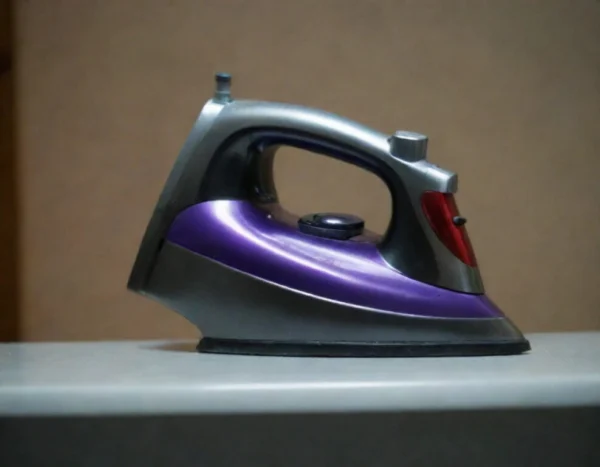
If your Rowenta iron is spitting white flakes onto your shirts or leaving brown streaks on your favorite linen blouse, you don’t need a new iron. You need to clean it. I’ve seen this exact problem hundreds of times in forums, and the fix takes less than 20 minutes. Here’s the real deal on how to clean a Rowenta iron without wrecking the soleplate or frying the internal pump.
Why Your Rowenta Iron Is Ruining Your Clothes
Rowenta irons are built well, but they’re not invincible. The number one culprit is limescale. If you live in a hard water area, every tank of tap water leaves behind calcium and magnesium deposits inside the steam chamber. Over time, those deposits break loose and shoot out through the steam holes onto your clothes.
There’s also the gunk factor: fabric softener residue, starch, and melted synthetic fibers. That stuff builds up on the soleplate and transfers to whatever you’re pressing. So when someone asks «why does my Rowenta iron stain clothes?», the honest answer is almost always: it’s dirty, not broken.
How to Clean a Rowenta Iron Soleplate (Without Scratching It)
First rule: unplug it and let it cool completely. I mean completely. Touching a hot soleplate with a damp cloth is how you ruin the non-stick coating and burn your fingers in one move.
Once it’s cold, mix equal parts white vinegar and distilled water. Dampen a microfiber cloth — never a scouring pad, never steel wool — and wipe the soleplate in gentle strokes. If there’s burnt-on residue, lay the vinegar-soaked cloth on the plate for five minutes, then wipe again. For the steam holes, dip a cotton swab in isopropyl alcohol and clean each hole individually. Don’t flood them; you don’t want liquid inside the electronics.
Pro tip: A paste of baking soda and a few drops of water works wonders on stubborn scorch marks. Apply, wait, wipe. Rinse thoroughly afterward.
How to Descale a Rowenta Iron Step by Step
If your iron hisses weirdly, sputters, or the steam comes out uneven, it’s descaling time. This is the part most people skip, and it’s exactly why their iron dies early.
- Unplug the iron and empty any water left in the tank.
- Mix 50% distilled water and 50% white vinegar. Fill the tank about halfway.
- Plug it in, set it to maximum heat, and hold it over a sink. Activate the steam burst for 5 to 10 minutes.
- Unplug, let it cool, and empty the tank. You’ll see brownish water and flakes come out — that’s the limescale leaving.
- Refill with plain distilled water, repeat the steam cycle for 2 minutes to flush the vinegar out.
If your model has a self-clean button, use it. Rowenta designs some irons with an anti-calc system that pushes a strong steam blast through the chamber. Check your manual — not every model works the same way, and pressing the wrong button on a cheap model does nothing.
Rowenta Descaler: When Vinegar Isn’t Enough
Vinegar handles 90% of cases. But if your iron is years old and has never been cleaned, vinegar might not cut it. Rowenta sells a specific descaling liquid (often branded as Rowenta ZD100 or similar) that’s formulated to dissolve heavy calcium buildup without damaging the internal seals.
Is it worth the money? Yes, if your iron costs over 60 euros. No, if it’s a basic 20-euro model — at that point, just buy a new one. I’ll defend that position: spending 10 euros on descaler for a cheap iron makes no sense.
How to Clean a Rowenta Steam Iron: Maintenance That Actually Works
The biggest mistake I see is people storing their iron with water still in the tank. That’s an open invitation for limescale, mold, and rust. After every single use, empty the tank and let the iron cool down face-down on a dry towel for a few minutes. This lets any residual moisture evaporate.
If you use steam daily, do a vinegar descale once a month. If you only iron occasionally, every three months is fine. And please, stop using tap water in hard water areas. Distilled water costs almost nothing and doubles the life of your Rowenta.
Cleaning the Exterior and Water Tank
The plastic body and water tank need attention too. Wipe them with a damp cloth and a drop of mild dish soap. Don’t submerge the iron — ever. The tank itself can be rinsed with a vinegar-water solution if you notice a smell, but let it air dry completely before plugging it back in.
For the cord, a simple wipe with a damp cloth is enough. Check for fraying while you’re at it. A damaged cord is a fire hazard, and no cleaning trick fixes that.
Common Mistakes That Kill Rowenta Irons
- Using scouring pads or abrasive cleaners on the soleplate.
- Filling the tank with undiluted vinegar and leaving it overnight.
- Storing the iron with water inside.
- Ignoring the self-clean function for years.
- Using tap water in hard water regions.
Each of these shortens the life of your iron. The good news? Avoiding them is free.
Does Cleaning Really Extend the Life of a Rowenta Iron?
Absolutely. I’ve seen Rowenta irons last 10+ years with regular descaling. The ones that die in two years are almost always neglected. A clean iron glides better, steams consistently, and doesn’t leave marks. That’s not marketing talk — it’s basic physics. Limescale blocks steam channels; clean channels mean even steam distribution.
So before you drop 80 euros on a new iron, spend 15 minutes with vinegar and a microfiber cloth. Your shirts will thank you, and your wallet will too.