Post actualizado el día octubre 25, 2026 by DeiviSanzPlay
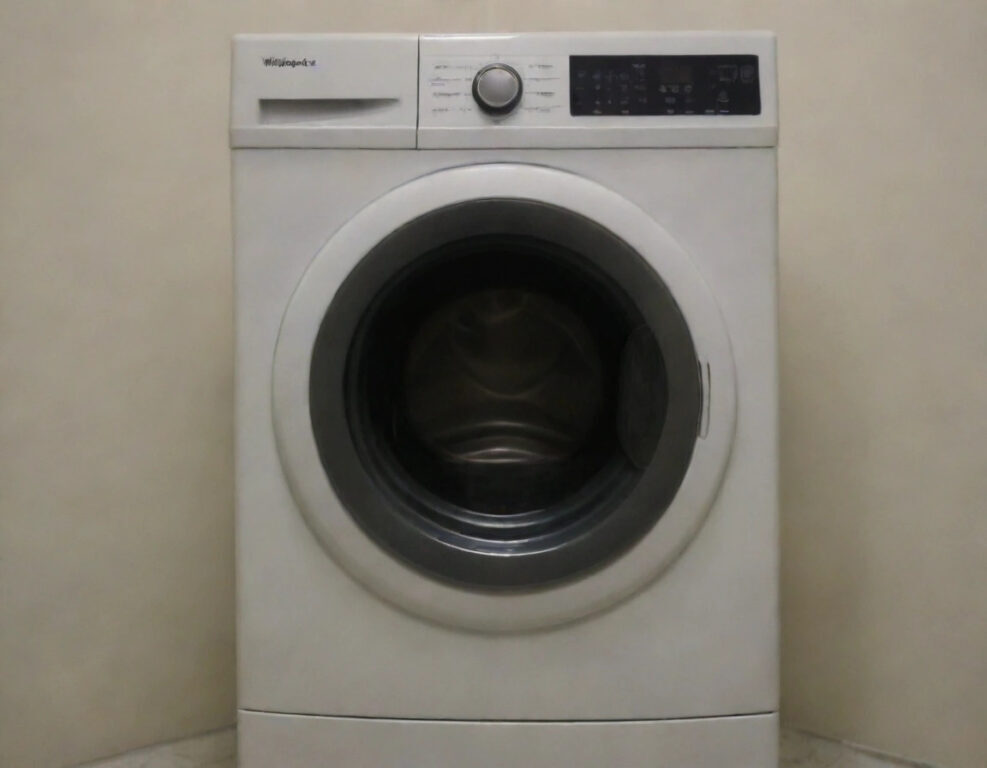
Have you noticed that your clothes come out with a strange smell or that the washing machine no longer washes like it used to? It’s not your imagination. The washing machine drum accumulates detergent residue, fabric softener, limescale, and even mold. And no, you don’t need to take anything apart to make it like new. I’ll tell you how to deep clean the washing machine drum with things you already have in your kitchen.
Why the washing machine drum gets dirty (and why you don’t see it)
The washing machine drum is that inner tub where you put the clothes, but there’s also an outer tub that you never see. Between the two, a film of soap, fabric softener, and fabric lint gets trapped. Over time, that layer becomes a breeding ground for bacteria and fungi. The result: that musty smell that clings to your clothes.
Deep cleaning the washing machine drum isn’t a whim. If you don’t do it, the motor works harder, the clothes come out worse, and the machine may last fewer years. I’ve verified this at home: after a deep clean, the washing machine sounds different, somehow looser.
White vinegar and baking soda: the pair that actually works
Many commercial products for cleaning washing machines cost an arm and a leg. But white vinegar and baking soda do the same job for pennies. Vinegar dissolves limescale residue and kills germs. Baking soda descales and neutralizes odors.
Careful: don’t mix them in the same container before using them. The effervescent reaction goes to waste. The right way is to use the vinegar first in one cycle and then the baking soda in another. That way you clean the washing machine drum in two passes, making the most of each ingredient.
Step by step to clean the washing machine drum without taking it apart
If your washing machine has a self-clean program, use it. But if not, this manual method works just as well. Follow these steps:
- Empty the drum. Make sure there are no clothes or forgotten objects.
- Fill with hot water. Select the highest level and the highest temperature. If your washing machine doesn’t allow hot water, heat water in a pot and pour it directly in.
- Add two cups of white vinegar. Pour it into the drum, not into the dispenser.
- Run a full cycle. Let the washing machine do its job. The vinegar will reach corners you can’t reach with a cloth.
- When it finishes, sprinkle a cup of baking soda directly into the drum. Run another cycle with hot water.
- Run an extra cycle with water only to rinse away any residue. This prevents the vinegar or baking soda from staining the next load.
Between cycles, take the opportunity to clean the door gasket and the dispenser with a cloth dampened with vinegar. That’s where most of the visible grime accumulates.
How often should you do this deep clean?
Once a month is ideal. If you wash very often or use a lot of fabric softener, every three weeks. If you have hard water, don’t put it off: limescale gets encrusted and then it’s harder to remove.
A trick almost nobody mentions: after each wash, leave the door open for a while. Trapped moisture is the breeding ground for mold. With that gesture, deep cleaning the washing machine drum will take less effort.
Mistakes to avoid if you don’t want to ruin your washing machine
Don’t use bleach recklessly. Bleach can damage the gaskets and metal parts. Also, don’t mix vinegar with bleach: it generates toxic gases. Don’t even think about it.
Another common mistake is pouring the vinegar into the fabric softener dispenser. That compartment isn’t made for acids and can get damaged. Always pour it directly into the drum.
And don’t overdo the baking soda. One cup is enough. More doesn’t clean better and can leave residue that then sticks to your clothes.
What to do if the smell persists after cleaning
If after two or three deep cleans the smell is still there, the problem may be in the drain filter or the door gasket. In many front-loading washing machines, the filter is behind a small hatch at the bottom. Open it carefully, remove the debris, and wash it with water and vinegar.
Also check the drain hose. Sometimes water sits stagnant and generates that stench. If you don’t dare touch it, call a technician. But before spending money, try the washing machine drum cleaning I told you about. In 90% of cases, it solves the problem.
Commercial alternatives: when are they worth it
Specific washing machine cleaners have their audience. They usually contain citric acid or percarbonate, which work well against limescale. If your water is very hard, they can be more effective than vinegar. But for monthly maintenance, vinegar and baking soda are enough and much cheaper.
If you opt for a commercial product, choose one without chlorine and follow the instructions. Don’t mix several products. And remember: cleaning the washing machine drum is not a substitute for cleaning the filter and the gasket.
Practical conclusion (no filler)
Cleaning the washing machine drum with vinegar and baking soda is quick, cheap, and requires no disassembly. Do it once a month, leave the door open after each load, and clean the gasket and filter from time to time. Your clothes will come out cleaner, your washing machine will last longer, and you’ll save yourself some scares. There’s no excuse not to do it.