Post actualizado el día octubre 17, 2026 by DeiviSanzPlay
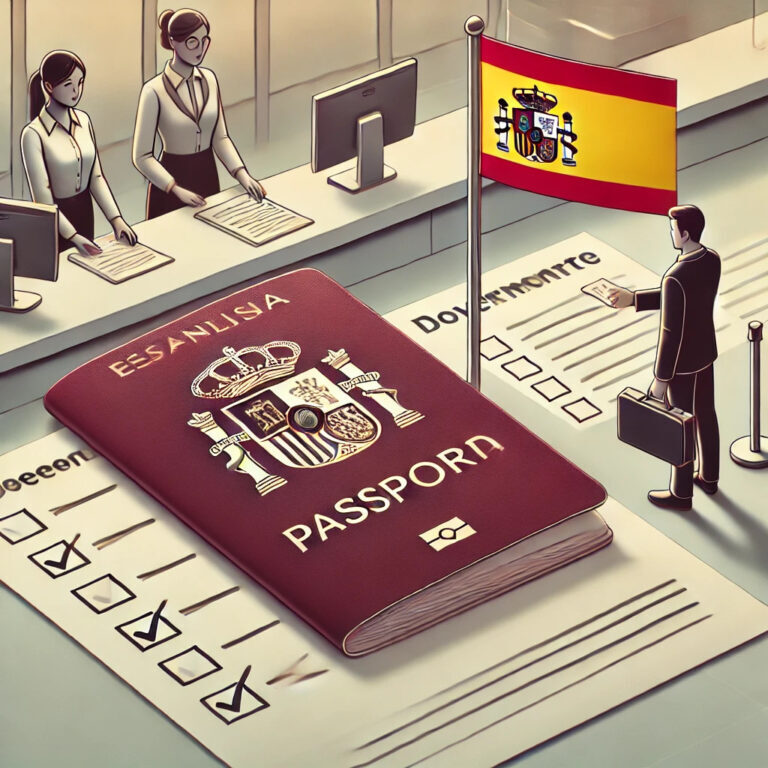
Getting your first Spanish passport isn’t rocket science, but it’s not a walk in the park either. If you’ve got Spanish nationality and you’re dreaming of visa-free travel, this guide breaks down the real steps without the bureaucratic fluff.
Do You Actually Qualify for a Spanish Passport?
First things first: you need to hold Spanish nationality. That’s non-negotiable. Whether you were born in Spain, got it through residency, or have a Spanish parent, the passport comes after nationality. If you’re still waiting on citizenship, forget the passport for now.
One thing people mess up: you must have a valid Spanish DNI (national ID card). No DNI, no passport. It’s that simple. Minors have a different path, but they still need their birth certificate and parental authorization.
Documents You Can’t Skip
Before you book an appointment, gather these:
- Valid Spanish DNI (original and copy)
- Recent passport-sized photo — white background, no glasses, no smiling weirdly
- Birth certificate (if you’re a minor or if your DNI data is outdated)
- Proof of appointment (the printout or digital confirmation)
If you’re applying abroad, the consulate might ask for extra proof of residency. Always check their specific list — each consulate has its own quirks.
Where and How to Apply
In Spain, you go to a National Police station that handles passport issuance. You can’t just walk in; you need a prior appointment (cita previa). Book it online through the official police website or by phone. Slots fill up fast, especially in big cities like Madrid or Barcelona.
If you live outside Spain, your Spanish consulate or embassy is your spot. The process is similar but they might require additional documents like your consular registration certificate.
Pro tip: If you’re renewing, you can do it up to 6 months before expiration. But for a first-time passport, you must appear in person.
Cost and Processing Time
As of 2026, the fee for an adult passport (10-year validity) is around €30. Minors pay less (about €20) and get a 5-year passport. Payment is usually made at the police station via card or bank transfer — check the specific station’s accepted methods.
Processing takes 10 to 15 business days normally. If you’re in a rush, there’s an urgent service for an extra fee, but it still takes a few days. Don’t expect same-day delivery.
What If You’re Abroad or Lose Your Passport?
Lost your passport? Report it to the police immediately, then request a duplicate or temporary passport at the nearest consulate or police station. You’ll need a new photo and ID. The temporary one is valid for a limited time, usually enough to get you home.
If your passport expires while you’re outside Spain, you can renew it at the consulate. But again, appointments can be scarce, so plan ahead.
Why Bother? The Perks of a Spanish Passport
A Spanish passport gives you visa-free access to over 190 countries, free movement within the EU, and consular protection anywhere. It’s one of the strongest passports in the world, so the hassle is worth it.
Common Mistakes to Avoid
- Showing up without an appointment — you’ll be turned away.
- Bringing an expired DNI — renew it first.
- Using a photo that doesn’t meet the strict requirements (no shadows, no uniforms).
- Forgetting to pay the fee before the appointment — some stations require prior payment.
FAQs: Quick Answers for First-Timers
Can I apply online? No, you must go in person, but you can book the appointment online.
Do I need a criminal record check? Not for the passport itself, but you might need it for nationality if you’re naturalized.
How long is it valid? 10 years for adults, 5 for minors.
Can I get it if I’m a foreigner? Only if you have Spanish nationality. Residency alone isn’t enough.
What if my passport is damaged? You’ll need to apply for a new one and explain the damage.
Bottom line: get your DNI, book that appointment, and don’t overthink it. The Spanish passport is your ticket to the world — just follow the steps and you’ll be fine.