

Post actualizado el día octubre 17, 2026 by DeiviSanzPlay
Roasting chestnuts at home is one of those winter rituals that separates people who actually cook from people who just reheat things. And if you’re here, you probably already know the smell of a street vendor’s cart is hard to beat. But here’s the thing: you can get how to roast chestnuts right in your own kitchen or backyard, and it’s not complicated once you know the rules. The problem is most people skip the two steps that matter most and end up with dry, exploded, impossible-to-peel nuts.
I’ve burnt my fair share of chestnuts. I’ve also pulled out ones that looked fine until I tried to peel them and the shell took half the flesh with it. So this isn’t theory. This is what actually works.
Pick the Right Chestnuts or Don’t Bother
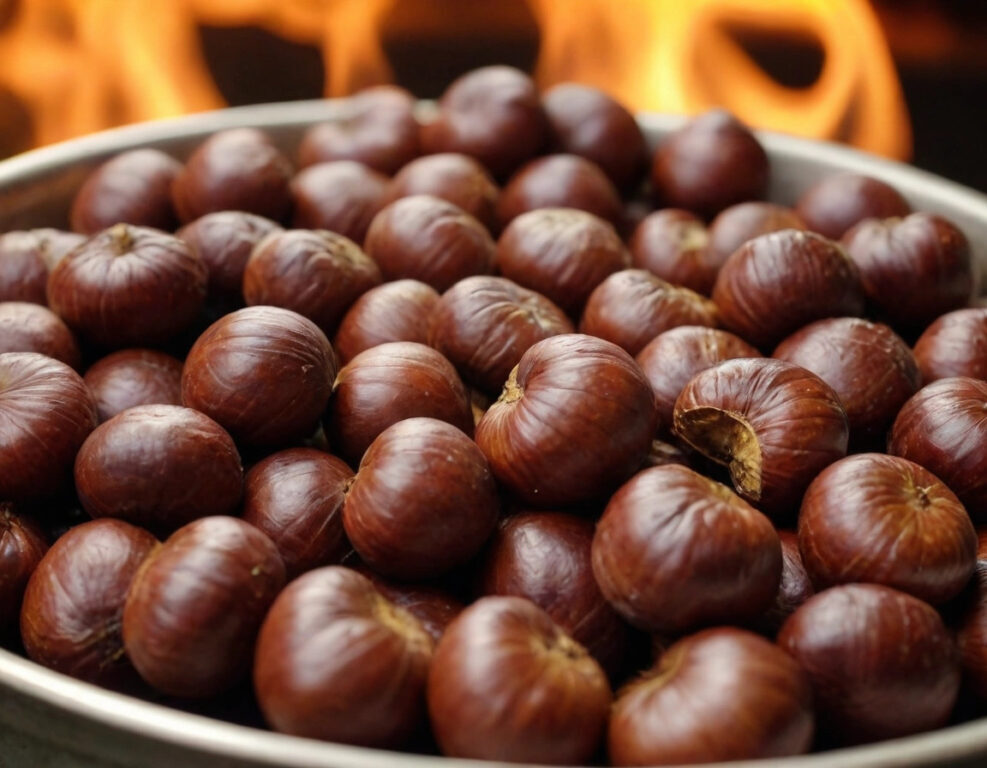
Freshness matters more than size. A big chestnut that’s been sitting in a bin since October is worse than a small one harvested last week. When you’re buying, look for firm, glossy shells with a deep mahogany color. No cracks, no soft spots, no tiny holes (those mean weevils got there first).
If you squeeze a chestnut and it gives, walk away. A good one feels dense, almost like a small stone. And here’s a tip nobody tells you: drop them in a bowl of water before roasting. The ones that float are bad. Toss them. The ones that sink are keepers. This one test will save you from a batch of nasty surprises.
How to Roast Chestnuts: The Cut That Changes Everything
Every single chestnut needs a cut. Not a tiny nick. A proper X-shaped incision on the flat side, deep enough to pierce the outer shell and the inner skin but not so deep you’re slicing the nut itself.
Why the X and not a single line? Because heat needs to escape and steam needs somewhere to go. A chestnut is basically a tiny pressure cooker. Without a cut, it explodes. With a thin line, it often still cracks unevenly and the inner skin sticks. The X opens it up like a flower and makes peeling almost effortless once they cool slightly.
Use a small paring knife and hold the chestnut on a cutting board. Don’t try to do this in your hand unless you enjoy stitches.
Oven, Fire, or Pan: Pick Your Weapon
You can roast chestnuts in the oven, and it works fine. Preheat to 400°F (200°C), place them cut-side up on a baking sheet, and give them 20 to 25 minutes. They’ll come out tender and sweet. But here’s my honest take: oven-roasted chestnuts are good, not great. The magic of fire is missing.
If you have a grill or a wood fire, use it. The trick is moderate, indirect heat. Don’t dump them over blazing coals. Put them on the edge of the grill or in a pan with holes, and let them cook slowly. Ten to fifteen minutes, turning once or twice. The skin blisters, the inside steams, and you get that smoky depth you can’t fake in a kitchen.
On a stovetop, a cast iron pan with a lid works in a pinch. Medium heat, shake the pan every few minutes, and pull them when the cuts curl open. It’s the fastest method but also the easiest to burn, so stay close.
How Do You Peel Roasted Chestnuts Without Losing Your Mind?
This is where most people fail. They wait too long, the chestnuts cool completely, and the inner skin fuses to the flesh. The window is short: peel them while they’re still warm, about 5 minutes out of the heat.
Wrap them in a clean kitchen towel for a couple of minutes right after roasting. The trapped steam loosens the shell. Then peel from the X outward. The outer shell pops off, and the thin inner skin usually comes with it. If it doesn’t, a quick scrape with a knife does the job.
Cold chestnuts are stubborn chestnuts. Warm ones practically undress themselves.
What Goes Wrong (and How to Fix It)
- They exploded: your cut wasn’t deep enough or you used high direct heat.
- They’re dry and crumbly: overroasted. Pull them earlier next time, even if they look pale.
- They won’t peel: you let them cool too long. Reheat them briefly in the oven and try again.
- They taste bitter: you ate the inner skin. That fuzzy layer is tannic and unpleasant. Remove it.
One more thing: don’t season them before roasting. Salt draws out moisture and makes them tough. If you want flavor, add a little butter or salt after peeling. Some people brush them with a bit of honey or rosemary oil at the end. That’s fine, but it’s gilding the lily.
Why Bother Roasting Chestnuts at All in 2026?
Because there’s nothing else like them. They’re low in fat, high in complex carbs, and naturally sweet without any added sugar. A handful of roasted chestnuts with a glass of red wine or a mug of hot chocolate is a complete experience. It’s slow, it’s seasonal, and it forces you to pay attention.
And honestly, in a world of microwave meals and delivery apps, knowing how to roast chestnuts the old way feels like a small act of defiance. Get the cut right, control the heat, peel them warm. That’s it. The rest is just paying attention.
