Post actualizado el día octubre 26, 2026 by DeiviSanzPlay
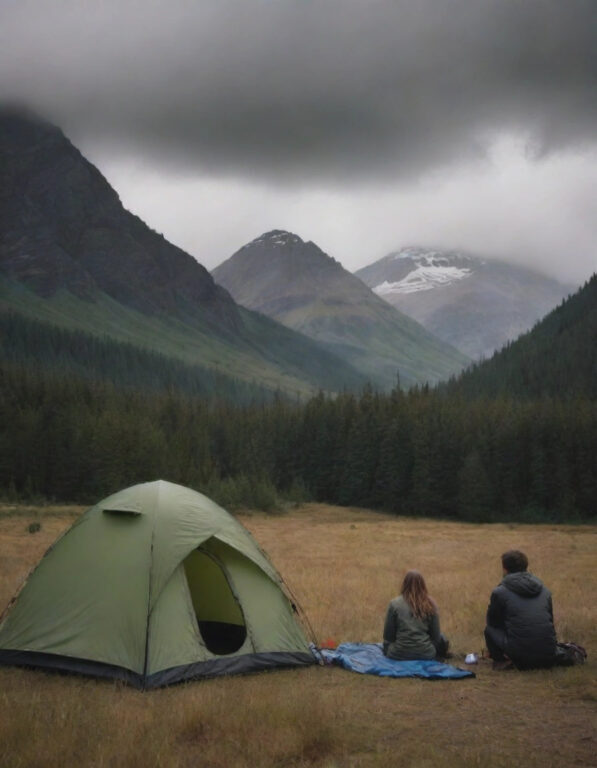
Sleeping on the ground isn’t a punishment, it’s a skill. And most people suck at it because they copy what they see on Instagram instead of thinking about their own body. If you want to know how to sleep comfortably while camping, forget the romantic idea of falling asleep under the stars with zero preparation. Stones, roots, cold drafts and a bad inflatable pad will wreck your night faster than a raccoon raid.
I’ve tested this stuff in real conditions: alpine meadows, desert floors, muddy forests. The difference between a great night and a miserable one comes down to three things: insulation from the ground, temperature control, and blocking out sensory noise. Everything else is decoration.
Ground insulation matters more than your sleeping bag
Here’s the counterintuitive truth: the cold that wakes you up at 3 a.m. usually comes from below, not above. The ground sucks heat out of your body like a radiator in reverse. A sleeping bag rated for -5°C won’t save you if your pad has an R-value of 1.
So when people ask how to sleep comfortably in a tent, my first answer is always the same: get a pad with an R-value of at least 3.5 for three-season camping, and 5+ if you’re camping in cold weather. Closed-cell foam pads are bombproof and cheap, but bulky. Inflatable pads pack small but can puncture. The smart move for 2026? A hybrid: thin foam pad underneath, inflatable on top. Bulletproof and comfortable.
- R-value 2–3: summer only, warm nights
- R-value 4–5: spring, autumn, mountain summer
- R-value 6+: winter camping, snow, high altitude
Don’t trust the marketing on budget pads. If a $30 inflatable claims an R-value of 6, it’s lying. Stick to brands that publish lab-tested numbers.
«You don’t sleep cold because your bag is bad. You sleep cold because your pad is thin and your body is losing heat to the earth.»
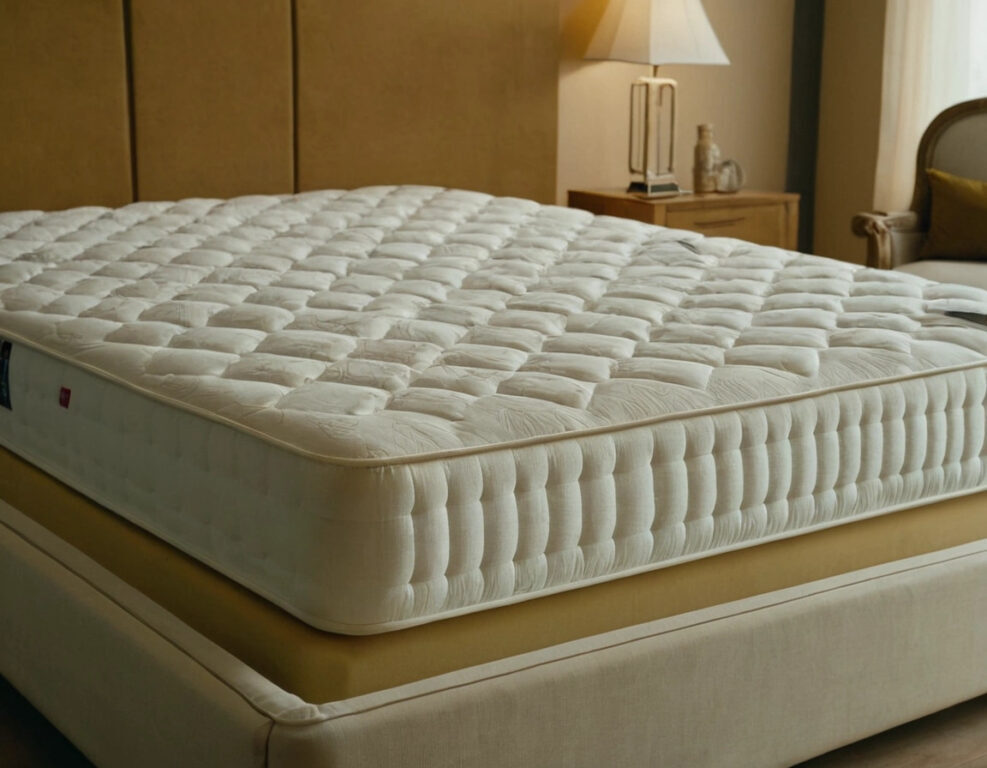
How to choose the best camping mattress for your body
Side sleepers need thickness — at least 7–10 cm — or their hip and shoulder will dig into the ground. Back sleepers can get away with 5 cm. Stomach sleepers should probably reconsider their life choices, but a 7 cm pad with a pillow helps.
When you’re figuring out how to choose the best camping mattress, ignore the number of air chambers and focus on these three real specs: packed size, weight, and R-value. Everything else is noise. Also check the valve system. A pad that takes 15 minutes to inflate by mouth will leave you dizzy and annoyed right before bed.
And please, test your pad at home before the trip. Nothing worse than discovering a slow leak at midnight in the middle of nowhere.
Temperature control: layers beat gadgets
Your sleeping bag has a comfort rating and a survival rating. The comfort rating is the one that matters. If a bag says «0°C comfort,» that assumes you’re wearing a base layer and sleeping on a proper pad. Sleep in cotton pajamas and you’ll be shivering.
Wear merino wool or synthetic base layers. Cotton traps moisture and kills insulation. A dry pair of socks at bedtime is a small ritual that makes a huge difference — cold feet wake you up more than cold shoulders.
Ventilation is the other half. A tent with zero airflow becomes a condensation chamber. Leave the top vent open, crack the door slightly, and you’ll wake up dry instead of soggy. That’s a big part of how to sleep comfortably while camping in humid climates.
Block noise and light like a pro
If you’re a light sleeper, earplugs and an eye mask aren’t optional. They’re gear. Foam earplugs cost almost nothing and cut out the owl, the river, and your friend’s snoring. An eye mask handles the 5 a.m. sunrise and any campfire glow from neighboring sites.
Avoid screens for at least 30 minutes before bed. Blue light delays melatonin release and pushes your sleep cycle back. If you’re reading, use a red-light headlamp. Your circadian rhythm will thank you.
Some people swear by white noise apps. I’d rather use natural sound — a nearby stream works better than any download. But if you’re in a quiet forest, a small fan or a white noise app on low can mask unpredictable noises that jolt you awake.
What to bring to sleep comfortably while camping
The accessories matter more than beginners think. A camping pillow isn’t a luxury; it’s spinal support. Inflatable pillows pack tiny but can feel like sleeping on a balloon. A compressible memory foam pillow takes more space but feels like home.
Keep a small «night kit» inside your tent: headlamp, water bottle, earplugs, eye mask, and a pee bottle if you’re in bear country or just lazy. Getting up in the cold kills your sleep momentum.
- Camping pillow: compressible foam or hybrid
- Earplugs: foam, 32 dB rating
- Eye mask: contoured, breathable
- Base layers: merino or synthetic
- Warm socks: dedicated sleep pair
- Red headlamp: preserves night vision
This is the practical answer to what to bring to sleep comfortably while camping. Skip the fancy gadgets. Bring the boring essentials.
Adapting to outdoor sleep takes practice
Your first night camping will probably be bad. Not because you did something wrong, but because your brain is on alert. New sounds, new smells, unfamiliar ground. That’s normal.
By the third night, most people adapt. Their body learns that the wind and the crickets aren’t threats. A simple breathing exercise — 4 seconds in, 6 seconds out — can speed up that adaptation. Meditation apps help, but you don’t need them. Just slow your exhale.
One trick that works surprisingly well: set up your tent and sleep in it in your backyard before a big trip. It sounds silly, but it removes the novelty factor and trains your brain to associate the tent with sleep.
The real impact of camping on sleep
Camping can actually improve your sleep long-term. Exposure to natural light during the day resets your circadian rhythm. Physical activity tires you out in a good way. And the absence of artificial light at night boosts melatonin production.
But that only happens if you’re not miserable. A bad setup ruins the benefit. So treat your sleep system with the same seriousness as your hiking boots. If you master how to sleep comfortably while camping, you’ll wake up genuinely refreshed — not just relieved that the night is over.
Nature doesn’t care about your comfort. But with the right pad, the right layers, and a little discipline about light and noise, you can beat the odds. The stars are worth it. And so is a full night’s sleep.