Post actualizado el día octubre 26, 2026 by DeiviSanzPlay
Decorating an office isn’t about filling a catalog page. It’s about building a space where you actually want to sit down and grind for eight hours. I’ve seen too many «modern offices» that look like a dentist’s waiting room: sterile, cold, forgettable. The real trick is balancing comfort, functionality and personality, whether you’re working with a 6 m² corner in your apartment or a 200 m² open floor for a whole team.
If you’re hunting for office decor ideas that actually move the needle, forget Pinterest boards for a second. Start with what your body and brain need: light, air, a decent chair, and zero visual chaos. Everything else is decoration on top of that foundation.
Modern office decor: minimalism without the cold shoulder
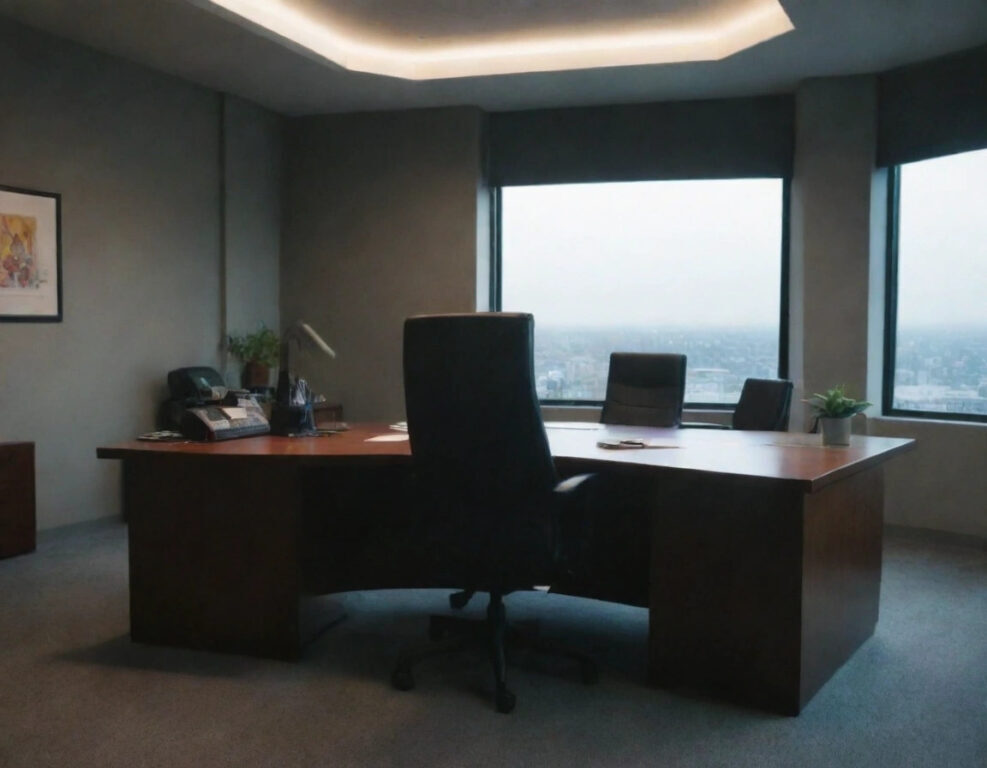
A modern office setup usually means clean lines, neutral palettes and materials like wood, black metal or matte finishes. That works, but only if you break the monotony. Pure minimalism becomes boring fast, and boring kills focus as much as clutter does.
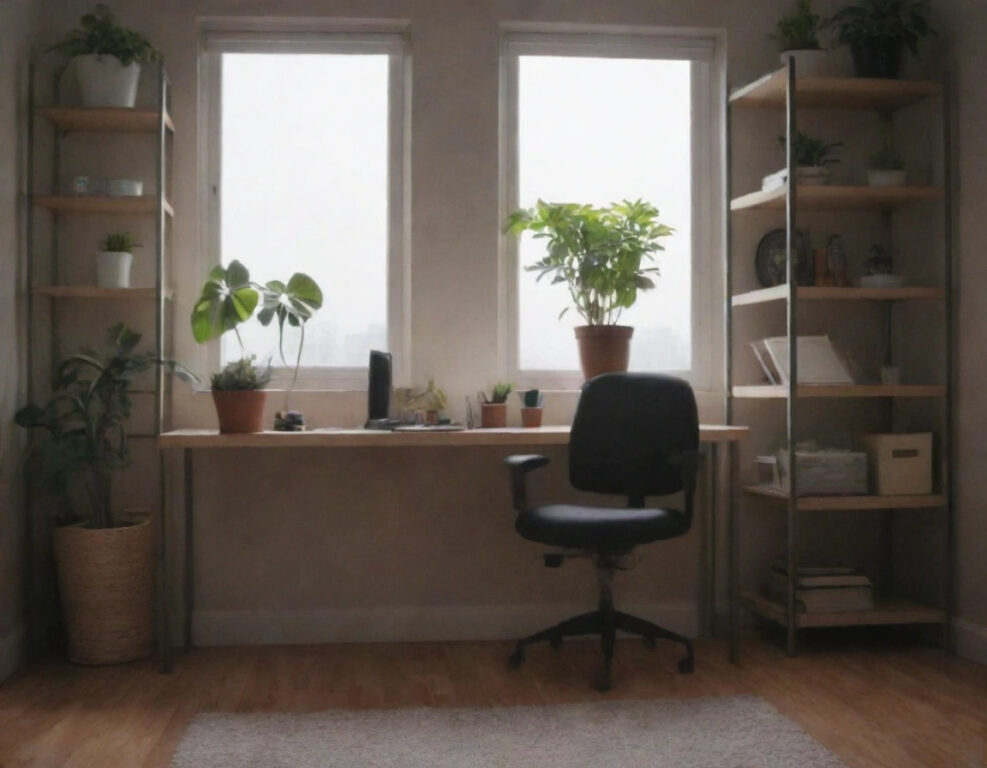
My take: keep the furniture simple, then inject personality through plants, one statement piece of art, or a textured rug. A monstera in the corner, a framed print you actually like, a warm-toned lamp — that’s what separates a modern office design from a furniture showroom.
Don’t underestimate the psychological effect either. A study from the University of Exeter found that employees in «lean» offices (bare walls, no plants, no color) were 15% less productive than those in enriched spaces. That’s not fluff. That’s measurable output.
How to decorate a small office without suffocating it
Small offices are where bad decoration gets brutal. One wrong bulky piece and you’re working in a closet. The rules change completely.
- Go vertical: floating shelves above the desk free up floor space and draw the eye upward.
- Hide the cables: a cable tray under the desk or adhesive clips cost less than $15 and instantly make the space look intentional.
- Pick multifunctional furniture: a desk with built-in drawers beats a desk plus a separate cabinet.
- Stick to light colors: white, off-white or pale gray walls reflect light and make 8 m² feel like 12.
- One mirror, strategically placed: it doubles perceived space if it faces a window.
If you’re searching for office decoration ideas for small spaces, this is the playbook. Efficiency first, aesthetics second — but both matter.
Colors that actually change how you work
Color psychology in offices isn’t pseudo-science. Blue and green tones genuinely calm the nervous system and support sustained concentration, which is why they dominate in law firms, clinics and financial offices. Yellow stimulates energy and creative thinking, but in large doses it also triggers anxiety. Use it as an accent, not a wall.
What nobody tells you: red should stay out of your field of vision if you do detail work. It raises heart rate and is linked to more errors in tasks requiring precision. A red chair in the corner for brainstorming? Fine. A red wall behind your monitor? Bad move.
Plants deserve their own mention. Beyond looking alive, they improve air quality and reduce stress markers. Even a single snake plant or pothos on your desk counts.
Lighting: the single most underrated office decor decision
You can nail the furniture, the palette and the plants, and still wreck your workspace with bad lighting. It’s the most impactful variable and the one most people ignore.
Natural light is the gold standard. Position your desk perpendicular to the window, never facing it directly (screen glare) and never with your back to it (shadow on your keyboard). If you have no window — a reality in many urban apartments — invest in layered artificial lighting:
- Ambient light: a ceiling fixture with warm white bulbs (2700–3000K) to avoid that hospital feel.
- Task light: a focused desk lamp with adjustable arm, ideally 4000K for clarity.
- Accent light: a small floor lamp or LED strip behind the monitor to reduce eye strain.
That three-layer setup is what professional lighting designers use in real workspace decor projects. Steal it.
Collaborative and hybrid offices: the 2026 reality
The hybrid model isn’t going anywhere. By 2026, most companies with physical offices are running some version of it, and that changes how you decorate. You need zones, not just desks.
Shared tables for informal meetings, low partitions that divide without isolating, and at least one acoustic pod or quiet corner for video calls. Nothing kills a hybrid office faster than someone on a Zoom call next to three people having lunch.
Sustainability is also no longer a marketing checkbox. Recycled materials, modular furniture that can be reconfigured, and energy-efficient LED systems are standard in serious office interior design today. If your office still smells like 2015, you’re behind.
Accessories that make a workspace feel yours
Personality is what turns a desk into a workspace you don’t dread. Family photos, a quirky wall clock, a rug that breaks the gray, a plant you actually water — these micro-decisions add up.
But here’s the line I draw: accessories should serve a purpose or spark something. A pencil holder that organizes is useful. A decorative object that just sits there collecting dust is clutter with a price tag.
An office you enjoy walking into is not a luxury. It’s a productivity tool that costs less than a new laptop.
So stop treating decoration as the last step after you’ve bought the desk and chair. Design the space around how you actually work: where the light hits, where your arms rest, where your eyes land when you need a break. That’s how you get an office that works as hard as you do.