Post actualizado el día octubre 25, 2026 by DeiviSanzPlay
Painting bathroom tiles is one of those ideas that sound like a cheap botch job, but if you choose the right bathroom tile paint and prepare the surface properly, the result lasts for years. I’m telling you this because I’ve seen bathrooms that looked straight out of the 80s and after a weekend of work they looked like new. That said, not just anything works: if you use a normal wall enamel, in two months you’ll have peeling and mold everywhere.
Which bathroom tile paint actually withstands moisture
The key is the resin. The bathroom tile paint that performs best is two-component epoxy. It’s not the cheapest, but it forms a layer so hard that you can scrub with a soft scouring pad without it scratching. The alternative is acrylic paint specifically for tiles, which is easier to apply and smells less, but it withstands continuous rubbing less well.
Watch out for the «all-purpose» paints advertised as suitable for bathrooms and kitchens. Many are simple water-based enamels that don’t seal the tile’s pores. In a couple of months they start flaking at the joints and around the bathtub. If you’re going to paint, go for an epoxy bathroom tile paint with a guarantee of resistance to moisture and mold.
A detail almost nobody mentions: color influences durability. Very dark or very saturated tones need more coats and tend to show peeling more. Light colors better conceal imperfections and reflect more light, something you’ll appreciate in small bathrooms.
How many years tile paint lasts: the truth without marketing
A well-applied epoxy paint over clean, sanded tiles can last between 5 and 8 years in a shower area, and up to 10 on walls that don’t receive direct water. Good acrylics last around 3 or 4 years. But this isn’t an exact science: I’ve seen bathrooms with epoxy that had bubbles after two years because they’d painted over damp grout.
The real durability of bathroom tile paint depends more on the preparation than on the can. If you don’t sand, don’t degrease, and don’t let it dry properly between coats, the best paint in the world falls off. And if you clean daily with pure bleach or a green scouring pad, you’ll ruin it in months.
To extend its life, use neutral cleaners and wipe with a soft cloth. No concentrated ammonia or acids. And every year, apply a coat of transparent acrylic sealer in the shower area. It’s half an hour of work and saves you a complete repaint.
What type of paint is used to paint tiles: epoxy vs acrylic
Epoxy tile paint is the queen of bathrooms. It consists of resin and hardener that are mixed just before use. Once cured, it’s practically plastic. It resists water, steam, and knocks. Its downside: you have to work quickly because it hardens in a few hours, and the smell is strong. You need a mask and good ventilation.
Acrylic tile paint is friendlier. It’s applied with a roller or brush, dries quickly, and barely smells. That said, don’t expect miracles in the shower area: there I always recommend epoxy. For high walls or areas without direct contact with water, quality acrylic is more than enough.
There’s a third type that’s gaining ground: hybrid polyurethane paints. They combine the hardness of epoxy with the ease of acrylic. They’re more expensive, but for a complete bathroom they’re worth it if you don’t want to deal with mixing.
Materials list for painting bathroom tiles without forgetting anything
Before you start, gather everything. Going to the hardware store mid-job is the worst enemy of a good finish. Here’s what you need:
- Tile paint: two-component epoxy or specific acrylic. Calculate 1 liter for every 10-12 m² per coat.
- Tile primer: not optional if you want it to adhere. Look for one specifically for glazed surfaces.
- Sandpaper: 180 and 220 grit to dull the tile without scratching.
- Degreasing cleaner: preferably one specifically for tiles, without soap.
- Foam roller and soft-bristle brush for the joints.
- Painter’s tape and plastic sheeting to protect faucets, bathtub, and furniture.
- Tile filler if there are cracks or holes.
- Protective equipment: nitrile gloves, goggles, and a mask for vapors.
Don’t skimp on the primer. It’s what makes bathroom tile paint adhere to the glazed enamel. Without it, the epoxy can peel off like a sheet of plastic.
How to paint bathroom tiles step by step (without botching it)
The process is simpler than it seems, but every step counts. If you skip one, it shows.
- Thorough cleaning: remove soap residue, limescale, and mold. Use a degreaser and then rinse with clean water. Let it dry for 24 hours.
- Sanding: go over the entire surface with 180-grit sandpaper to remove the shine. You don’t need to make the tile completely matte, just create some roughness. Then clean the dust with a damp cloth.
- Joint repair: if there’s missing grout or cracks, fill with tile filler. Let it dry and sand gently.
- Protection: cover everything you don’t want painted. Painter’s tape on the edges of the bathtub and sink is sacred.
- Primer: apply a thin coat with a roller. Follow the manufacturer’s instructions for drying time. Usually 4-6 hours.
- First coat of paint: with a foam roller, apply thin, even coats. Don’t load the roller too much to avoid drips. Start with the joints using a brush and then go over with the roller.
- Second coat: wait the indicated time (usually 12-24 hours for epoxy). Apply another thin coat. If the color is dark, you may need a third.
- Curing: even though the paint is dry to the touch in a few hours, full curing of epoxy takes up to 7 days. Don’t use the shower during that time. It seems excessive, but it’s what guarantees it hardens properly.
- Optional sealing: once cured, you can apply a transparent acrylic sealer for extra protection. Especially in the shower area.
A trick I learned through trial and error: paint in small sections, from top to bottom. That way you avoid drops falling on what’s already painted. And don’t try to do it all in one day. Haste is the mother of peeling.
What colors to choose for painting bathroom tiles in 2026
Color is no longer just a matter of taste. There are trends that work better depending on the size and light of the bathroom. Neutral tones like off-white, pearl gray, or beige are still the kings. They visually expand and never go out of style. If the bathroom is small and has no window, I’d avoid dark colors: they’ll eat up the light.
To add a touch without risking it, paint the walls a light color and leave a strip or the front of the bathtub in a more intense tone, like sage green or petroleum blue. It’s a way to have personality without the bathroom looking like an abstract painting.
If you opt for bold colors, like terracotta or cobalt blue, make sure the epoxy paint has enough pigment. Sometimes intense tones need more coats and can turn out uneven. Ask the store to mix the color on an epoxy base, not on a cheap acrylic.
Mistakes that will ruin your project (and how to avoid them)
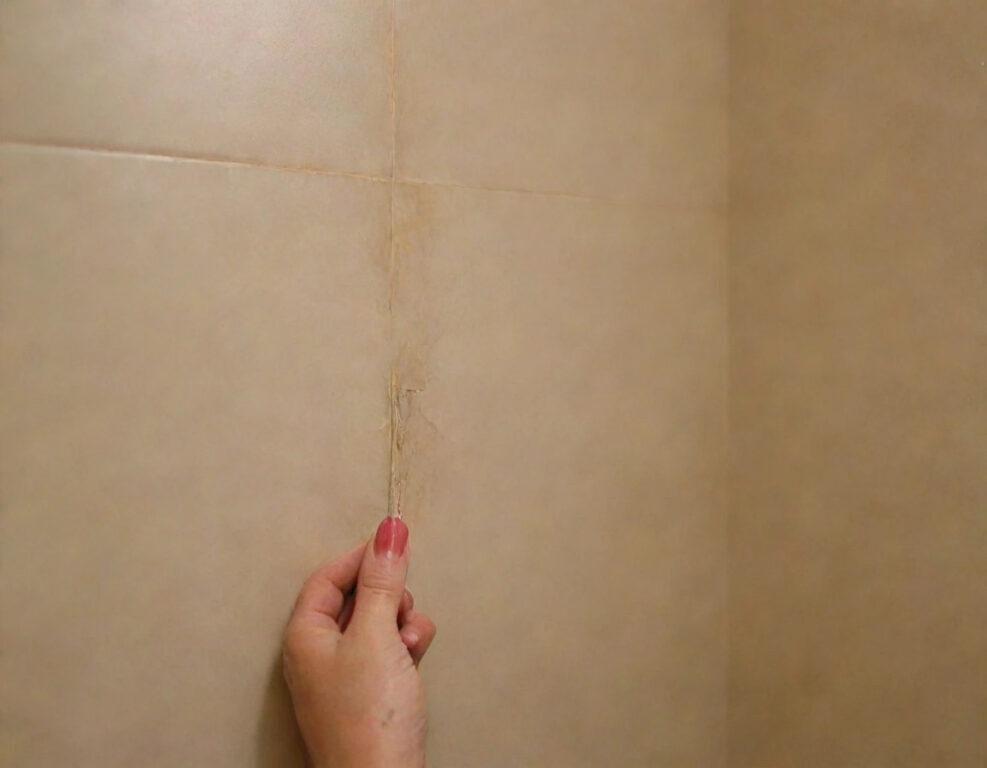
Mistake number one is painting over dirty or damp tiles. Bathroom tile paint doesn’t adhere to grease or mold, and within a few weeks it peels off in sheets. Clean with a degreaser and let it dry properly.
The second is not sanding. The tile has a layer of glossy enamel that repels paint. If you don’t dull it with sandpaper, the primer doesn’t do its job. It’s a tedious but non-negotiable step.
The third is using normal wall paint. Even if it’s plastic or washable, it isn’t designed to withstand the constant moisture of a bathroom. In a few months you’ll have blisters and mold underneath. Don’t give in to the temptation to save 20 euros.
And the fourth: not waiting for full curing. Epoxy needs its time. If you start showering the next day, hot water and steam slow down the hardening and the paint stays soft forever. Patience.
Is it worth painting the tiles or is it better to replace them?
Painting bathroom tiles costs between 50 and 150 euros in materials for an average bathroom. Replacing the tiles can run to 1,500 euros or more just in materials and labor. If the tile is in good condition and you’re just tired of the color, painting is a more than decent solution.
However, if the tiles are loose, have moisture behind them, or the bathroom is very large, it may not be worth it. Paint doesn’t fix structural problems. And if you’re planning to sell the house in less than two years, a buyer may detect that they’ve been painted and not like it. In that case, better to replace them.
My advice: if the bathroom is for you and you want to update it without renovations, paint with epoxy and do it right. If the tile is falling apart, no paint will save it. But for a functional bathroom with ugly but healthy tiles, bathroom tile paint is the best investment you can make this 2026.