

Post actualizado el día octubre 26, 2026 by DeiviSanzPlay
You probably swat at bees without a second thought. But here’s the hard truth: without them, your breakfast would look nothing like it does today. Bees aren’t just buzzing annoyances; they’re the invisible engine that keeps our food supply and natural world running. In 2026, their decline is no longer a distant worry—it’s a full-blown crisis that affects every single one of us.
The Hidden Social Network Inside Every Hive
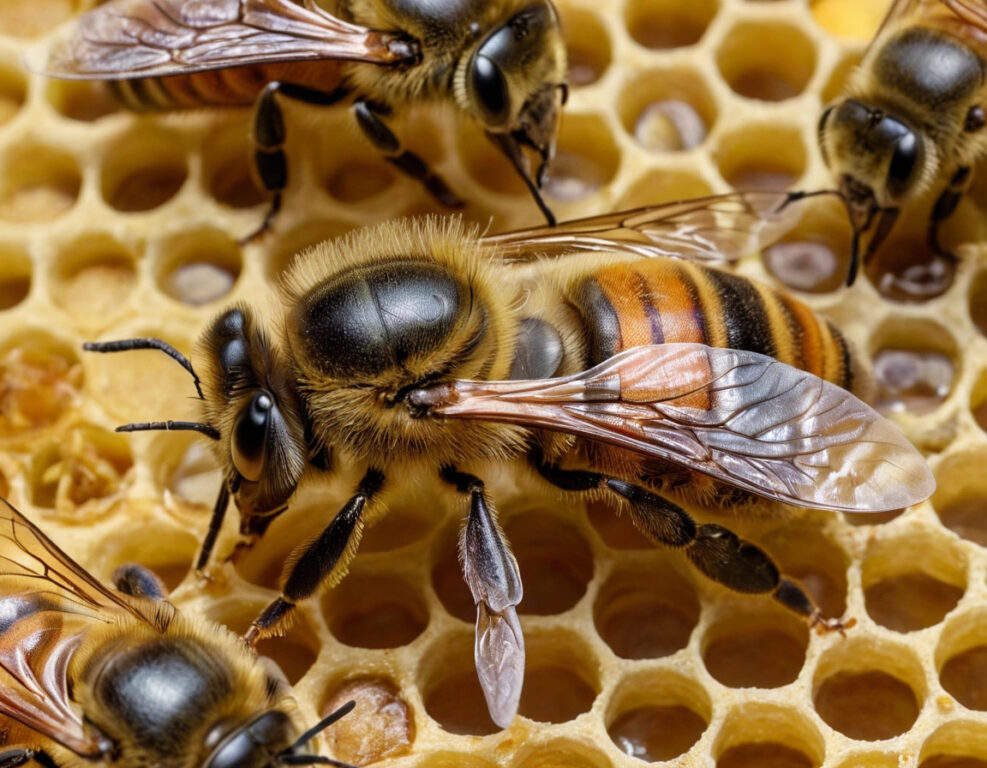
A beehive is not a random swarm. It’s a highly organized society with strict rules. The queen lays eggs, worker bees forage and defend, and drones mate. Each bee has a job from day one. This division of labor is so efficient that it’s been studied by engineers and logistics experts. The hive operates like a superorganism, where individual survival means nothing without the colony’s success. That level of cooperation is why bees have thrived for millions of years.
When you see a hive, you’re watching a masterclass in teamwork. Worker bees communicate through pheromones and the famous waggle dance, sharing precise directions to food sources. They even vote on new nesting sites. This collective intelligence is unmatched in the insect world. And it’s exactly why losing bees isn’t just about losing a few bugs—it’s about losing a whole system that we depend on.
Pollination: The Free Service We Take for Granted
Bees pollinate roughly one-third of the food crops we eat. Apples, almonds, cucumbers, strawberries—none of these would exist in abundance without pollinators. In fact, about 75% of flowering plants rely on animal pollination, and bees do the heavy lifting. That means your morning coffee, your afternoon chocolate, and even the cotton in your jeans trace back to bee activity.
But here’s what most people miss: pollination isn’t just about quantity; it’s about quality. Bees improve the size, flavor, and nutritional value of fruits and vegetables. A poorly pollinated apple is small and misshapen. A well-pollinated one is big and juicy. So when bee populations drop, we don’t just get less food—we get worse food.
Biodiversity and the Web of Life
Bees don’t just serve human agriculture. They sustain entire ecosystems. By pollinating wild plants, they ensure that berries, nuts, and seeds are available for birds, mammals, and even other insects. Remove bees, and the food chain starts to unravel. That’s why biodiversity loss and bee decline go hand in hand.
Think of bees as the glue that holds natural habitats together. Without them, forests, meadows, and wetlands would gradually turn into barren landscapes. And since these habitats store carbon and regulate water cycles, their collapse would accelerate climate change. So protecting bees is also a climate strategy, whether politicians admit it or not.
Beyond Honey: The Unexpected Gifts from Bees
Honey is the obvious product, but bees give us so much more. Beeswax is used in cosmetics, candles, and food wraps. Propolis has antibacterial properties and is found in throat lozenges. Royal jelly is a popular supplement. Even bee venom is being researched for treating arthritis and other conditions.
Then there’s the economic angle. Beekeeping supports rural livelihoods around the world. In 2026, with supply chains still shaky, local honey production has become a lifeline for many small farmers. And let’s not forget the cultural value: bees have been symbols of community, diligence, and sweetness in art and religion for thousands of years.
Why Bees Are Dying—and Why It’s Our Fault
The main drivers of bee decline are no mystery: pesticide use, habitat loss, climate change, and disease. Neonicotinoids, in particular, mess with bee navigation and immune systems. Monoculture farming strips away the diverse flowers bees need. And warming temperatures shift blooming seasons, leaving bees without food when they need it most.
In 2026, we’re seeing the consequences. Beekeepers report higher colony losses than ever. Wild bee species are vanishing before we even document them. This isn’t a problem for future generations—it’s happening right now. And the solutions aren’t rocket science: ban the worst pesticides, plant wildflower strips, support organic farms, and urban beekeeping.
What You Can Actually Do (No, Really)
You don’t need to become a beekeeper to help. Plant bee-friendly flowers on your balcony or in your garden. Avoid pesticides in your own yard. Buy local, raw honey from responsible beekeepers. Support policies that protect pollinators. Even leaving a patch of your lawn unmowed can make a difference.
And here’s a controversial take: stop treating bees as a hobby for hippies. They’re a critical infrastructure for food security. If we wait for governments to act, it’ll be too late. Individual actions add up, but we also need systemic change. That means voting for leaders who take biodiversity seriously and holding corporations accountable.
The Bottom Line: No Bees, No Us
Bees are not optional. They’re the backbone of terrestrial life. Their work in hives and in our fields is worth billions—but more importantly, it’s irreplaceable. In 2026, the choice is clear: protect bees, or face a future of empty plates and silent springs. I know which side I’m on.


