Post actualizado el día octubre 26, 2026 by DeiviSanzPlay
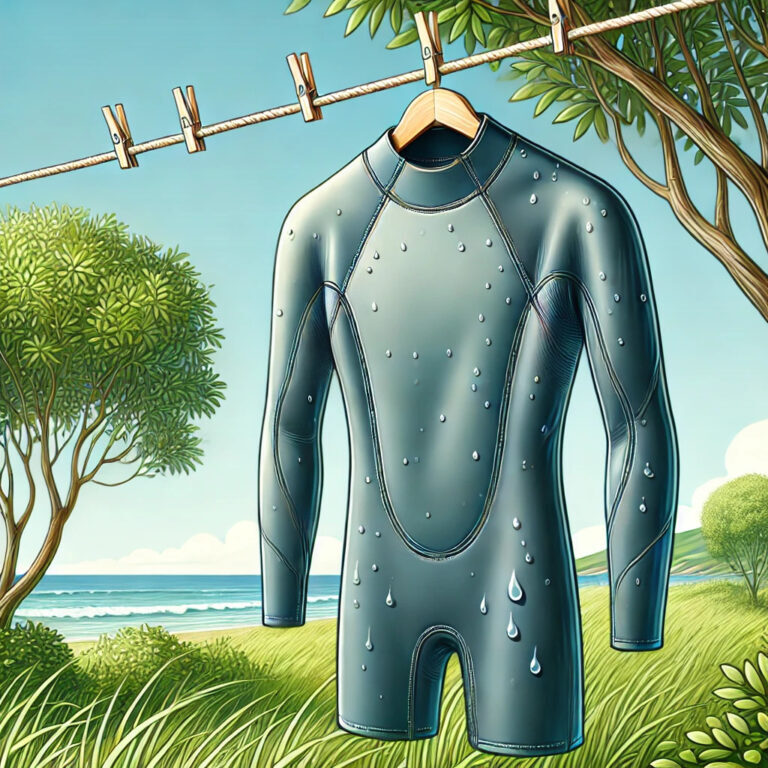
Leaving baby clothes hanging out overnight is one of those habits almost every parent picks up without thinking. You do a wash at 7 p.m., hang everything on the line or the balcony rack, get distracted, and by morning the onesies are still there. Sounds harmless, right? Not exactly. There is a real, physical reason why leaving baby clothes hanging out at night can backfire, and it has nothing to do with old wives’ tales.
What Actually Happens to Baby Clothes Overnight
Night air is not the same as daytime air. As temperatures drop, relative humidity climbs. That is basic physics: colder air holds less moisture, so the water your clothes were releasing during the day suddenly has nowhere to go. Instead of drying, the fabric starts reabsorbing ambient moisture.
If you live near the coast, in a valley, or anywhere with heavy morning dew, this effect is brutal. Cotton onesies can go from «almost dry» at 9 p.m. to visibly damp at 6 a.m. That is the core problem with leaving baby clothes outside overnight: you think they are drying, but they are actually soaking up humidity.
Damp fabric sitting for 8–10 hours is a textbook breeding ground. Fungal spores and bacteria love warm-ish, moist environments, and a baby onesie full of milk residue or drool traces is basically a buffet for them.
Dust, Pollen, and Whatever Else Floats By
During the day, air movement and sunlight keep a lot of particulates suspended or burned off. At night, especially in cities, you get a different cocktail: traffic dust settling, pollen dropping, and in some areas, actual condensation carrying pollutants onto fabric.
This matters because baby clothes left hanging overnight end up coated in particles you cannot see. You fold them, put them in the drawer, and dress your baby the next morning. Their skin — which is roughly 30% thinner than an adult’s — absorbs and reacts to that stuff far more aggressively.
Pediatric dermatologists consistently point out that irritant contact dermatitis in infants is often linked to residue on clothing, not to the detergent itself. Humidity and airborne particles are part of that residue equation.
The Real Risk Isn’t «Bad Luck,» It’s Moisture Retention
Let me be blunt: nobody is going to get sick just because a onesie spent one night outside. The problem is cumulative. Is it bad to leave baby clothes hanging out at night? It becomes bad when it is a habit and when the climate works against you.
Repeated exposure to damp, microbe-friendly fabric can trigger:
- Red patches and irritation in skin folds (neck, armpits, diaper line)
- Flare-ups in babies with eczema or sensitive skin
- That musty smell that never quite washes out
- Faster fabric degradation, especially on cotton and bamboo blends
None of these are catastrophic on their own. All of them together, night after night, add up to a baby who is uncomfortable and a parent who cannot figure out why.
When It’s Actually Fine (Yes, There Are Exceptions)
I am not going to pretend this is a universal rule. If you live in a dry, warm climate — think Arizona in July, or inland Spain in August — leaving clothes out overnight is genuinely low-risk. Humidity is low, dew point is low, and the fabric will keep drying.
The calculus changes with:
- Coastal or riverside homes: morning dew is real and heavy.
- Cold seasons: below 15°C (59°F), drying basically stops at night.
- Polluted urban areas: more particles settling on fabric.
- Homes with pets or near green areas: pollen and dander load is higher.
If two or more of those apply to you, drying baby clothes overnight outside is a bad move. Period.
What to Do Instead (Practical, Not Preachy)
You do not need a $600 dryer to solve this. You need to stop treating the clothesline as a set-and-forget system.
1. Time your wash cycles
Start laundry in the morning or early afternoon. That gives you 5–7 hours of real drying window, which is enough for most baby garments in mild weather.
2. Bring them in before dew forms
Dew typically starts forming 1–2 hours before sunrise in humid climates. If you are not going to be awake, bring the clothes in before bed. Even 80% dry indoors beats 60% dry outdoors overnight.
3. Use an indoor rack with airflow
A simple folding rack near a window with cross-ventilation works. If you have a dehumidifier, even better — it pulls moisture out of the room and speeds up drying dramatically. This is the single most underrated tool for drying baby clothes safely.
4. Skip fabric softener
It coats fibers, traps residue, and makes fabric hold moisture longer. Use a gentle, fragrance-free detergent and, if needed, a tiny splash of white vinegar in the rinse cycle.
5. Store only when 100% dry
This is non-negotiable. If there is any doubt, give it another 30 minutes near airflow. Storing slightly damp clothes in a drawer is how you get mildew on things you will not notice until your baby is already wearing them.
The Bottom Line on Leaving Baby Clothes Out at Night
Is it bad to leave baby clothes hanging out at night? In humid, cold, or polluted conditions, yes — it is a genuinely bad idea. In dry, warm climates, it is mostly fine but still not optimal. The deciding factor is not superstition, it is moisture. If the fabric comes in damp, you have a problem. If it comes in bone dry, you do not.
Your baby’s skin does not need perfect conditions. It needs consistent ones. A dry, clean, well-ventilated drying routine is one of the simplest, cheapest ways to keep irritation and weird rashes out of your life. It takes five extra minutes of planning and saves you a lot of guessing later.