Post actualizado el día octubre 26, 2026 by DeiviSanzPlay
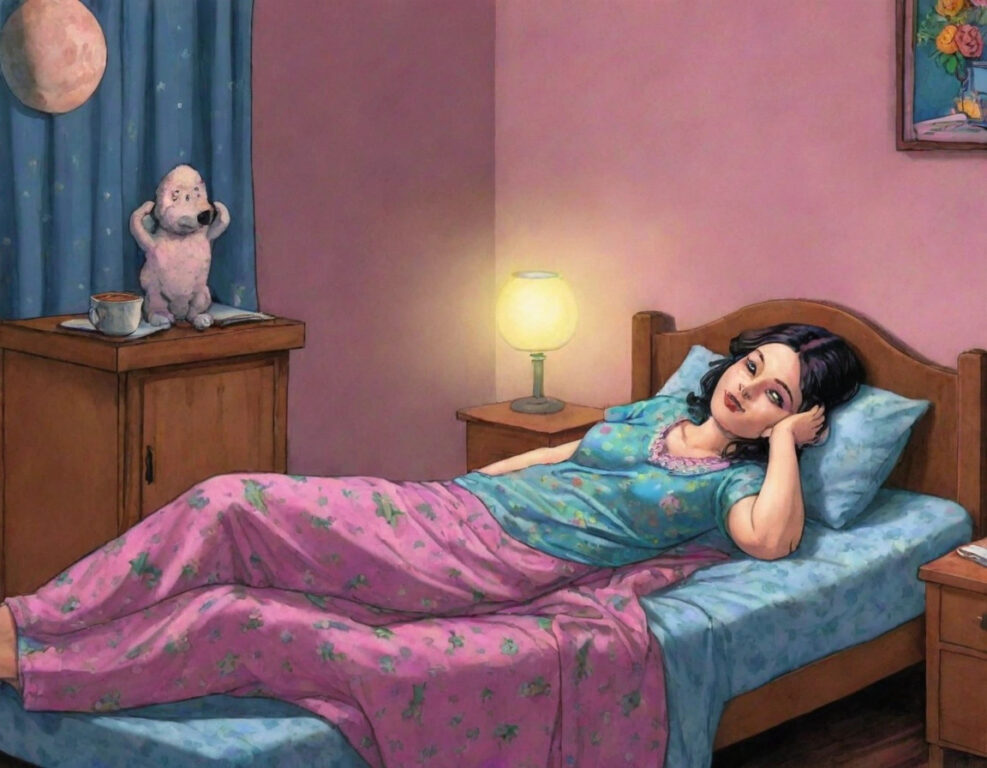
It’s 4 in the morning and you’re wide awake, staring at the ceiling. You’ve tried everything: counting sheep, flipping the pillow, even that weird breathing trick you saw on TikTok. Nothing works. If you’re asking yourself why can’t I sleep at 4 in the morning, you’re in the right place. I’ve been there, and I’ve dug into the science to give you straight answers, not fluff.
First, let’s kill a myth: waking up at 4 AM isn’t random. Your body has a built-in alarm clock, the circadian rhythm, and 4 AM sits right at a critical transition point. Your core temperature is at its lowest, melatonin production is still high, but cortisol starts creeping up to prepare you for the day. If anything throws that balance off, boom — you’re awake.
The Real Reasons You’re Staring at the Ceiling at 4 AM
Stress and anxiety top the list. When your mind is racing with worries about work, money, or that awkward conversation you had three days ago, your nervous system stays in fight-or-flight mode. At 4 AM, there’s no distraction, so your brain decides it’s the perfect time to replay every mistake you’ve ever made. Fun, right?
But it’s not just stress. Hormonal imbalance and sleep are deeply connected. Cortisol, the stress hormone, should be low at night. If it spikes early, you wake up. Same goes for adrenaline. And if you’re a woman in perimenopause or menopause, fluctuating estrogen and progesterone can wreck your sleep architecture. Men aren’t immune either — low testosterone can fragment sleep.
Then there’s the blood sugar angle. If you ate a carb-heavy dinner or drank alcohol, your blood sugar can crash around 3-4 AM. Your body releases cortisol and adrenaline to fix it, and guess what? You’re awake. This is why a protein-rich snack before bed sometimes helps, though it’s not a magic bullet.
What Actually Works When You Wake Up at 4 AM
Don’t lie there tossing and turning for an hour. That trains your brain to associate bed with frustration. If you’re awake for more than 20 minutes, get up. Go to another room, keep the lights dim, and do something boring. Read a paper book, fold laundry, or listen to a podcast at low volume. No screens — blue light suppresses melatonin and makes everything worse.
When you feel sleepy again, go back to bed. Repeat if needed. This is called stimulus control, and it’s one of the most effective recommendations to sleep and rest according to sleep specialists. It’s annoying at first, but it works.
Another game-changer: don’t check the time. I know it’s tempting, but seeing «4:13 AM» triggers a stress response. You start calculating how many hours you have left, and that anxiety keeps you awake. Turn your phone face down or, better yet, leave it in another room.
How to Resync Your Biological Clock
If you’re regularly waking at 4 AM, your circadian rhythm might be out of whack. The fix isn’t complicated, but it requires consistency. Get bright light exposure within 30 minutes of waking up. Sunlight is best, but a 10,000-lux light therapy lamp works if you live in a cave or it’s winter.
Avoid bright light in the evening. Dim your lights after sunset, use warm bulbs, and wear blue-light-blocking glasses if you’re glued to screens. Your brain needs darkness to produce melatonin. If your bedroom isn’t pitch black, get blackout curtains. Even a tiny LED from your router can mess things up.
Keep your sleep schedule consistent. Going to bed and waking up at the same time every day — yes, even weekends — is the single most effective way to fix why can’t I sleep at 4 in the morning. Your body loves routine. Give it one.
The Role of Caffeine, Alcohol, and Late Meals
Caffeine has a half-life of 5-6 hours. That 3 PM coffee? Half of it is still in your system at 9 PM. If you’re sensitive, cut it off at noon. Alcohol is trickier: it helps you fall asleep but fragments sleep in the second half of the night. That’s why you wake up at 4 AM after a few drinks.
Late meals are another culprit. Eating a heavy dinner within 2-3 hours of bed forces your digestive system to work overtime. Your body would rather digest than sleep. Keep dinner lighter and earlier if you can.
When to See a Doctor
If you’ve tried all this for weeks and you’re still waking up at 4 AM, it’s time to get professional help. You might have sleep apnea, where your breathing stops briefly and wakes you up. Or restless legs syndrome. Or a thyroid issue. These aren’t things you can fix with chamomile tea.
A sleep specialist can run tests, check your hormone levels, and rule out underlying conditions. Don’t suffer in silence. Chronic insomnia affects memory, mood, and even your immune system. It’s not just about feeling tired — it’s about your long-term health.
One more thing: don’t stress about the occasional 4 AM wake-up. It happens to everyone. The problem is when it becomes a pattern. If you wake up once, roll over and try to relax. If it’s every night for weeks, that’s when you take action.
So, is it 4 in the morning and you can’t sleep? You’re not broken. Your body is trying to tell you something. Listen to it, make small changes, and be patient. And if you need a quick fix tonight, try this: get up, drink a glass of water, do a few slow stretches, and go back to bed. Sometimes that’s all it takes.