Post actualizado el día octubre 26, 2026 by DeiviSanzPlay
If you’ve ever stared at the ceiling at 2 a.m. with your brain running a marathon, the Japanese relaxation method might be exactly what you need. This isn’t another vague wellness tip. It’s a set of concrete practices — deep breathing, hot baths, and minimal sleep spaces — that Japanese culture has refined for centuries. And yes, there’s real science behind most of it.
What makes the Japanese relaxation method for better sleep stand out is that it doesn’t treat sleep as an isolated event. It treats it as the natural result of how you breathe, how you wind down, and how your bedroom is set up. Miss any of those three and you’ll keep tossing and turning.
Why Japanese Breathing Techniques Actually Work
Japanese breathing techniques are the backbone of this whole approach. The most common one you’ll hear about is kokyu-ho, a slow diaphragmatic breathing practice used in martial arts and Zen meditation. The idea is simple: breathe in through your nose for a count of four, hold briefly, then exhale slowly through your mouth for six to eight counts.
That longer exhale is not a gimmick. It activates your parasympathetic nervous system — the branch responsible for rest and digestion — and lowers your heart rate. Studies on slow breathing show it can reduce cortisol levels and calm the amygdala, the part of your brain that keeps you alert when you don’t want to be.
If you struggle to disconnect at night, this is the cheapest intervention available. No apps, no supplements. Just five minutes of controlled breathing before bed.
The Ofuro Ritual: More Than Just a Bath
The ofuro is the traditional Japanese soaking tub, and it’s a core part of nighttime rituals in Japan. Unlike a quick shower, an ofuro involves soaking in hot water — usually around 38 to 42°C (100–107°F) — for 10 to 20 minutes. The purpose isn’t hygiene. It’s relaxation.
Here’s the mechanism: when you soak in hot water, your core body temperature rises. When you get out, it drops rapidly. That drop is a signal to your brain that it’s time to sleep. Sleep researchers have confirmed that a warm bath 1–2 hours before bed shortens the time it takes to fall asleep.
You don’t need a fancy wooden tub. A regular bathtub works fine. Add Epsom salts if you want the magnesium boost, though the temperature drop is doing most of the heavy lifting.
Create a Minimalist Sleep Environment (The Japanese Way)
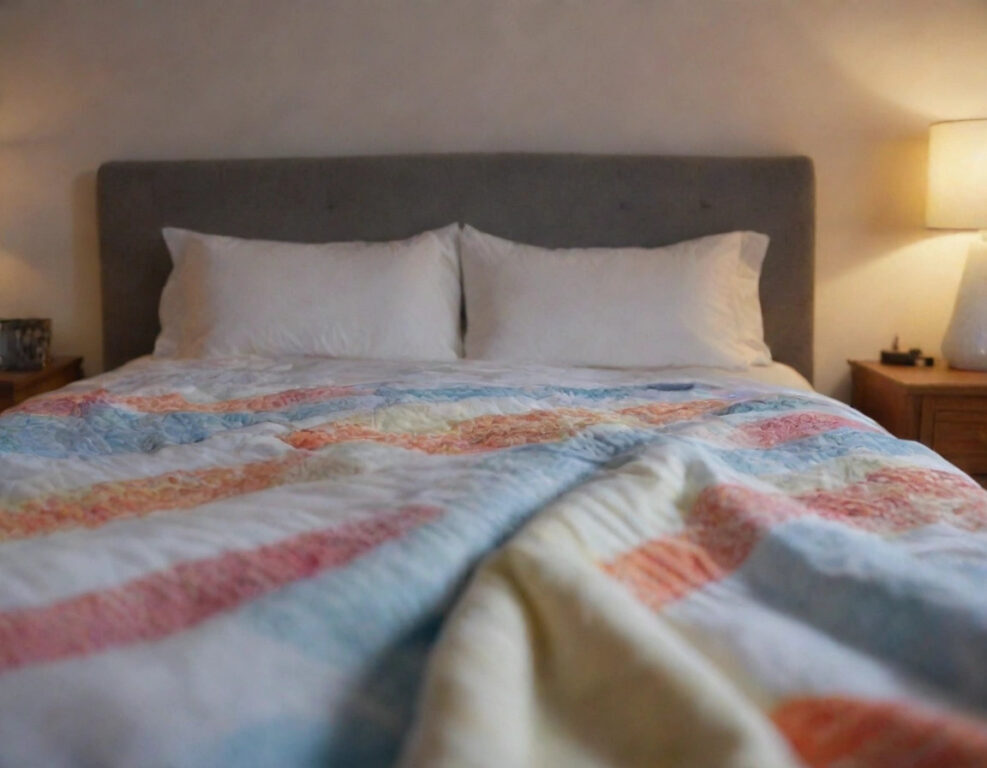
Japanese tradition places huge value on a tidy, uncluttered sleeping space. This isn’t just aesthetics. A cluttered room signals to your brain that there’s unfinished business — and unfinished business keeps you alert.
The traditional Japanese bedroom is stripped down: a futon rolled out on a tatami mat, low lighting, no electronics. You don’t have to sleep on the floor, but you can steal the principles.
- Remove screens from the bedroom. Blue light suppresses melatonin production.
- Keep surfaces clear. No piles of laundry, no work papers.
- Use warm, dim lighting in the hour before bed.
- Keep the room cool — around 18–20°C (65–68°F) is ideal for sleep.
These aren’t suggestions. They’re non-negotiables if you want the Japanese relaxation method to actually work.
How Stress Reduction Ties Into Japanese Relaxation
Chronic stress is the number one enemy of good sleep. It keeps your cortisol levels elevated at night when they should be dropping. The Japanese approach tackles this from multiple angles at once — breathing, bathing, environment — rather than relying on a single fix.
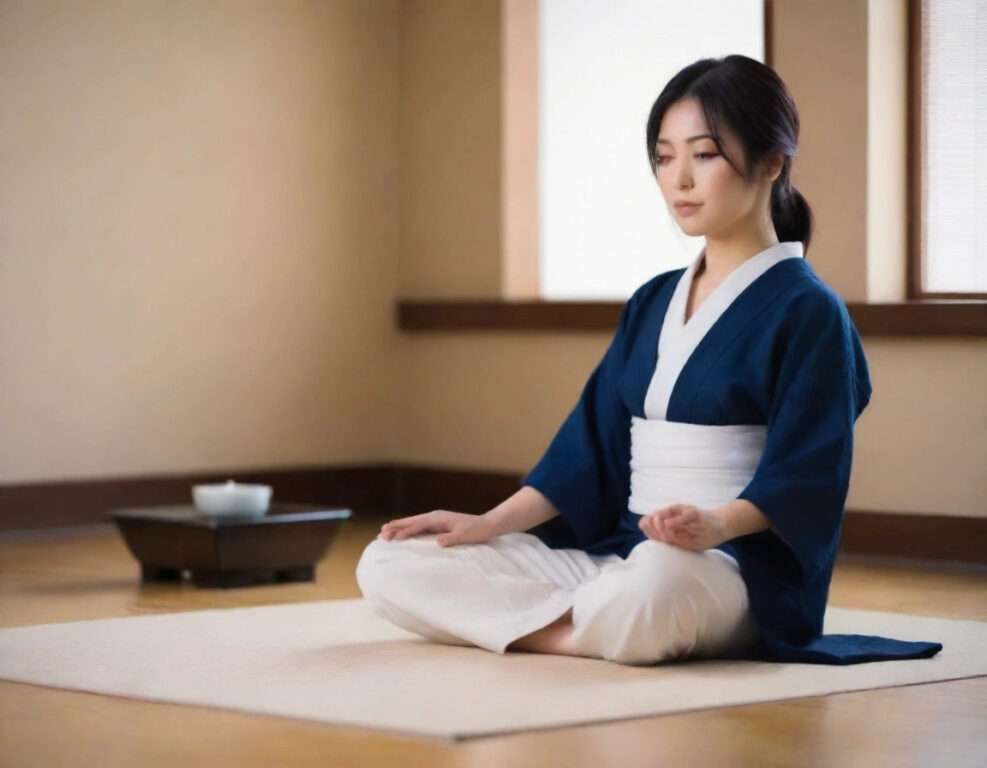
Beyond the ofuro and breathing, many Japanese practices incorporate shinrin-yoku (forest bathing) and zazen (seated meditation). You don’t need a forest to get the benefits. A 15-minute walk without your phone, or 10 minutes of sitting quietly focusing on your breath, produces measurable drops in anxiety.
A 2020 study published in Nature found that regular meditation and relaxation practices improved sleep quality scores by over 30% in participants with mild insomnia. That’s not trivial.
Putting It All Together: A Realistic Nighttime Routine
Here’s what a practical Japanese-inspired evening looks like:
- 9:00 p.m. — Dim the lights. No screens. Maybe read a physical book.
- 9:30 p.m. — Take a warm bath or shower for 10–15 minutes.
- 9:50 p.m. — Do 5 minutes of slow breathing (4 in, 6–8 out).
- 10:00 p.m. — Go to bed in a cool, dark, uncluttered room.
Is this rigid? A bit. But rigidity is what creates habit. And habit is what makes the difference between a technique that works and one you abandon after three nights.
Common Mistakes People Make
The biggest mistake is treating these as isolated tricks. Taking a hot bath but then scrolling on your phone for an hour afterward cancels out half the benefit. The Japanese method works because the pieces reinforce each other.
Another mistake: expecting instant results. Your body needs a week or two to adapt to a new sleep routine. Give it time before you decide it doesn’t work.
Sleep isn’t something you force. It’s something you allow — by removing the barriers your body puts up when it’s stressed, overstimulated, or uncomfortable.
Does It Really Beat Western Sleep Advice?
Not entirely. Western sleep science and Japanese relaxation overlap more than they differ. Both emphasize temperature, light, and stress reduction. Where the Japanese method adds value is in its emphasis on ritual and environment — the idea that sleep starts hours before you get into bed.
If you’ve tried melatonin, white noise machines, and every sleep app on the market without luck, this approach is worth a shot. It costs nothing and addresses the root causes rather than the symptoms.
Your rest will thank you. And so will your mornings.