

Post actualizado el día octubre 17, 2026 by DeiviSanzPlay
Forget about that distant date you had marked on your calendar. Mandatory electronic invoice display is no longer a futuristic threat—it’s the new normal in 2026. And if you’re still printing paper invoices, you’re not just behind the curve; you’re basically running a museum of administrative fossils.
What Exactly Is Mandatory Electronic Invoice Display?
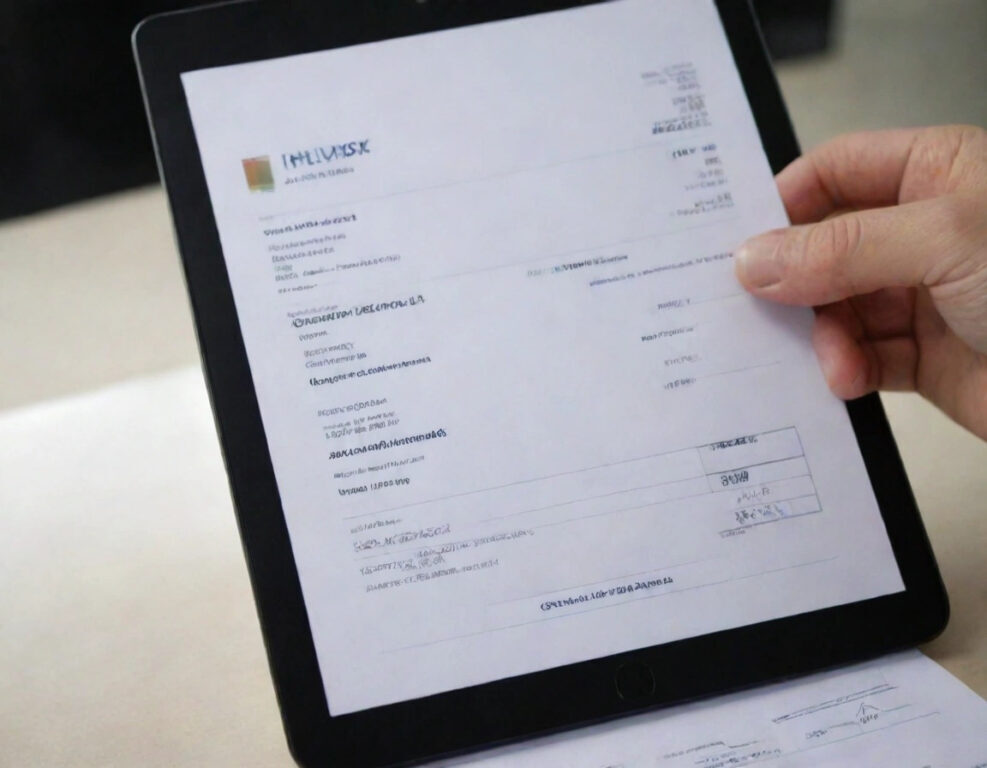
Let’s cut the jargon. Mandatory electronic invoice display means that every invoice you issue, send, or receive has to go through an authorized digital circuit. No more paper trails, no more ink stamps, no more «I’ll file it later» piles on your desk.
This isn’t just a Spanish or European thing either. Countries like Mexico, Brazil, Italy, and India have been running mandatory e-invoicing for years. The trend is global, and 2026 is the year when a lot of laggards finally have to face the music.
The core idea is simple: tax authorities want real-time visibility of every transaction. That means your business needs software that generates invoices in a structured digital format, sends them to the tax agency automatically, and stores them in a way that’s verifiable and traceable.
Why 2026 Is the Year You Can’t Ignore
Back in 2024 and 2025, a lot of companies were in the «pilot phase» or «voluntary adoption» stage. That grace period is over. In 2026, if you’re a business or a self-employed professional, electronic invoicing is mandatory—period.
And I’m not talking about a soft rollout. The deadlines are already set. The tools exist. The penalties for non-compliance are real. If you haven’t adapted yet, you’re not just risking a fine; you’re risking your ability to operate with suppliers and clients who have already gone digital.
«The cost of waiting is always higher than the cost of adapting.»
That’s not a cliché—it’s math. Every month you delay, you’re paying for paper, storage, manual errors, and lost time. Meanwhile, your competitors are automating and cutting costs.
What Changes for You in 2026
First, you won’t be able to issue an invoice without going through an authorized digital system. That means no more handwritten invoices, no more PDFs sent by email without a proper digital signature, and no more «I’ll just print this and sign it.»
Second, your relationship with the tax authority becomes real-time. They’ll see your invoices as you issue them. No more quarterly or monthly surprises. This is a double-edged sword: it forces discipline, but it also eliminates the guesswork.
Third, you’ll need to adopt automated, traceable systems. That could be a standalone e-invoicing platform or an ERP with built-in compliance. Either way, manual processes are dead.
The Benefits Nobody Talks About
Everyone focuses on the obligation, but the upside is huge. For starters, human errors drop dramatically. When your invoicing is automated, you’re not typing VAT numbers by hand or miscalculating totals.
You also save time and resources. Less paper, less filing, less physical storage. That’s money in your pocket and hours back in your day.
Transparency is another win. Your operations become visible, secure, and verifiable. That builds trust with clients and makes audits a breeze—not a nightmare.
And let’s not forget tax control. You’ll know exactly what comes in, what goes out, and how to file, without breaking a sweat. That’s not just compliance; it’s peace of mind.
What Happens If You Don’t Adapt?
Falling behind isn’t just a bad idea—it can be a death sentence for your business. Companies that don’t adopt mandatory electronic invoice display face administrative sanctions, loss of competitiveness, and obstacles when working with digitalized suppliers or clients.
Reputational risk is real too. In 2026, being the business that still asks for a paper invoice is like being the person who still pays with a check at the supermarket. It screams «out of touch.»
And the worst part? You can’t just catch up overnight. Adapting requires reviewing your processes, training your team, and adopting a digital mindset. That takes time—time you don’t have if you wait until the last minute.
How to Get Ready Without Losing Your Mind
First, accept that this is happening. Denial is not a strategy. Then, assess your current invoicing workflow. Where are the bottlenecks? What’s manual? What’s prone to error?
Next, choose a compliant e-invoicing solution. There are plenty of platforms that integrate with your existing accounting software. Don’t try to build your own unless you have a dedicated IT team.
Train your team. This isn’t just about software; it’s about changing habits. People need to understand why this matters and how to use the new tools.
Finally, test everything before the deadline. Run parallel systems for a month if you have to. The goal is to avoid a last-minute panic.
FAQs About Mandatory Electronic Invoice Display in 2026
Is electronic invoicing mandatory for all businesses in 2026?
Yes, in most jurisdictions that have adopted the mandate, all businesses and self-employed individuals must issue electronic invoices, regardless of size or sector. Some very small businesses may have extended deadlines, but the trend is full coverage.
What happens if I don’t comply?
You could face fines, sanctions, and even operational blocks. Tax authorities can also reject your invoices, which means your clients can’t deduct them. That’s a quick way to lose customers.
Do I need special software?
Yes. You need approved software that generates invoices in the required digital format, sends them to the tax authority, and stores them securely. Off-the-shelf accounting software often has this built in or offers add-ons.
Can I still use paper invoices for some transactions?
No. In 2026, paper invoices are out for B2B and B2C transactions in mandated countries. There may be exceptions for specific cases like rural areas or certain exempt activities, but those are rare.
How long do I have to store electronic invoices?
Typically, you must store them for the same period as paper invoices—usually four to six years, depending on local law. They must be accessible for tax audits.
Is an electronic invoice valid internationally?
It depends on the destination country’s rules. Many countries accept foreign e-invoices if they comply with local requirements, but you may need to use a specific format or platform. Always check before sending.
The Bottom Line
Mandatory electronic invoice display in 2026 isn’t the enemy. It’s your opportunity to evolve. To leave behind the chaos of paper, lost invoices, and tax closings that keep you up at night.
Prepare yourself, stay informed, take action. And when the moment comes—which is now—you’ll be ready to say: «My business is ready for the future.»
