

Post actualizado el día octubre 26, 2026 by DeiviSanzPlay
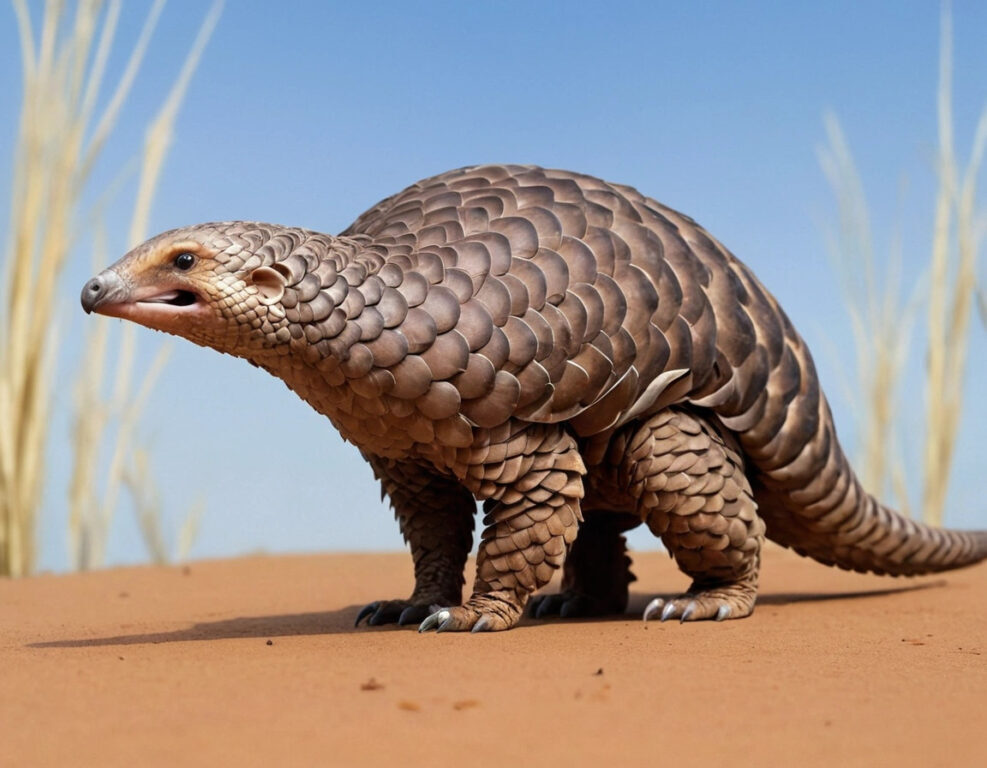
Let’s cut the crap: the pangolin is one of the most screwed-over animals on the planet. It’s a mammal that looks like a pinecone with legs, comes out only at night, and lives alone. And yet, it’s the most trafficked mammal in the world. If you’ve ever wondered what makes this scaly weirdo tick, stick around, because its solitary nocturnal lifestyle is a survival strategy that’s now working against it.
Why the Pangolin Is Nocturnal: A Survival Strategy, Not a Quirk
The pangolin’s nocturnal behavior isn’t some random evolutionary accident. It’s a calculated move to stay alive. By day, it sleeps curled up in a burrow it dug itself, or in a hollow tree if it’s a tree-dwelling species. At night, it comes out to hunt.
And what’s on the menu? Ants and termites, mostly. The pangolin’s diet is hyper-specialized. It has no teeth, so it can’t chew. Instead, it uses a stomach full of swallowed stones and keratin spines to grind up its food. Its tongue is longer than its head and covered in sticky saliva. It flicks that thing into termite mounds and ant nests like a living vacuum cleaner.
But why night? Simple: fewer predators. Lions, leopards, hyenas, and even big cats are more active during the day. At night, the pangolin can dig and slurp in relative peace. Plus, many of its prey species are also more active at night, so it’s a double win.
The Solitary Life: Why Pangolins Don’t Do Groups
Unlike wolves, lions, or even meerkats, the pangolin is a loner. It doesn’t form packs, herds, or family units. Adults only come together to mate, and then they go their separate ways. The mother raises a single pup for about two years, but after that, it’s every pangolin for itself.
Why? Because the pangolin’s food source is scattered and low in calories. Ants and termites aren’t exactly a steak dinner. If pangolins lived in groups, they’d compete for the same mounds and starve. Solitary living means less competition and more territory to roam.
Plus, being alone makes you less visible. A group of pangolins would be a loud, smelly buffet for predators. A single pangolin can slip through the underbrush undetected. It’s a cold, calculated way to survive.
Defense Mechanisms: The Armor That Doesn’t Always Save Them
When threatened, the pangolin does one thing: it curls into a ball. Its scales are made of keratin, the same stuff as your fingernails, and they’re sharp. A rolled-up pangolin is basically a spiky pinecone that’s hard to bite. Even lions have been seen trying and failing to crack one open.
But here’s the catch: that defense works against natural predators. It does nothing against humans. Poachers just pick them up and toss them in a sack. The pangolin’s solitary, nocturnal nature makes it even easier to catch. It’s not rare because it’s elusive; it’s rare because it’s easy money.
Species and Habitat: From African Savannas to Asian Forests
There are eight species of pangolin. Four live in Asia: the Indian, Philippine, Sunda, and Chinese pangolin. Four live in Africa: the tree pangolin, long-tailed pangolin, giant ground pangolin, and Temminck’s ground pangolin.
They thrive in tropical forests, dry savannas, and even agricultural areas if there’s enough food. The Asian species tend to be smaller and more arboreal, while African ground pangolins are bigger and dig massive burrows. The giant ground pangolin can reach 1.5 meters long.
Despite their differences, they all share the same solitary, nocturnal lifestyle. And they’re all in trouble.
The Illegal Wildlife Trade: The Real Reason Pangolins Are Vanishing
Here’s the ugly truth: pangolins are the most trafficked mammals in the world. Their scales are used in traditional medicine, and their meat is considered a delicacy in some parts of Asia. According to the World Wildlife Fund, over one million pangolins were poached between 2000 and 2013 alone.
In 2016, all eight species were moved to CITES Appendix I, which bans all international trade. But that hasn’t stopped the black market. In 2019, authorities seized 12.7 tonnes of pangolin scales in Singapore, the largest bust in history. That’s an estimated 36,000 pangolins killed.
Deforestation and urbanization are also destroying their habitats. The solitary nocturnal pangolin needs large territories to find enough food. When forests are cut down, they can’t just move next door. They starve.
What’s Being Done in 2026 and What You Can Do
Conservation efforts are ramping up. In 2023, China removed pangolin scales from its official traditional medicine list, which was a huge step. In 2024, Vietnam launched a national awareness campaign. But enforcement is weak, and corruption is rampant.
What can you do? Don’t buy pangolin products. Support organizations like the IUCN SSC Pangolin Specialist Group or the Pangolin Crisis Fund. And if you see pangolin scales or meat for sale online, report it.
The pangolin has survived for over 80 million years. It’s a solitary, nocturnal animal that minds its own business. It doesn’t deserve to go extinct because of human greed. If you ever see one in the wild, consider yourself lucky. Then leave it alone. It’s better off alone.

