Post actualizado el día octubre 25, 2026 by DeiviSanzPlay
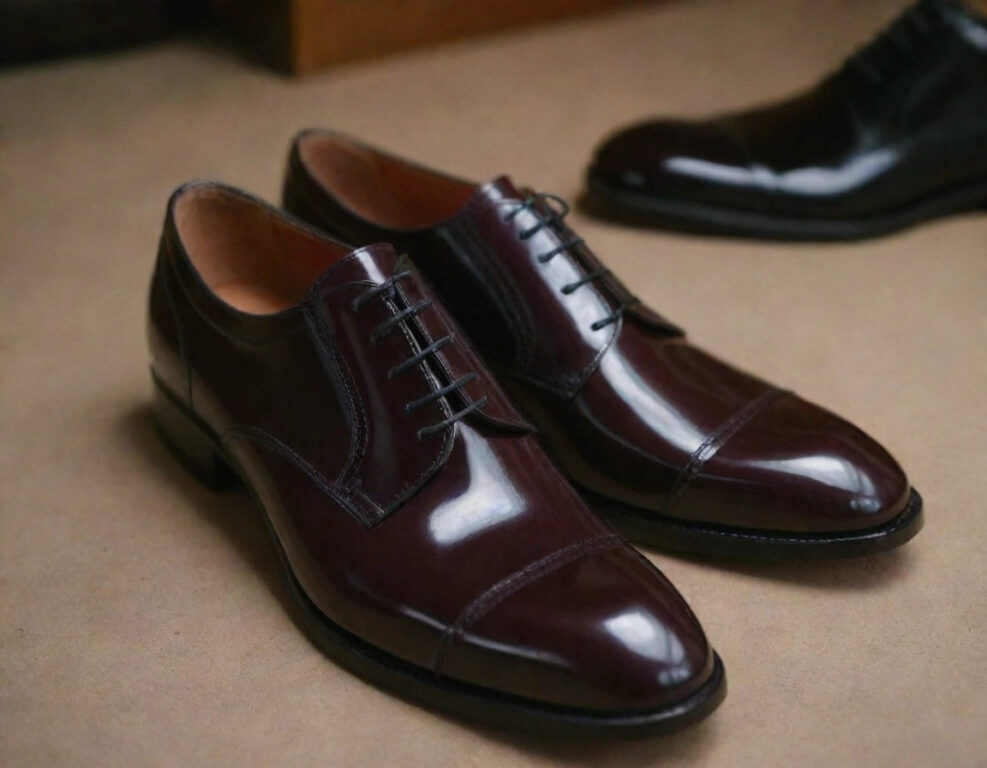
Patent leather shoes have something no other material has: that mirror-like shine that elevates any look. But of course, they’re also the ones that show the most when they get dirty. A fingerprint, a speck of dust, a drop of water… and goodbye to that flawless effect. The good news is that keeping them looking like they just came out of the box isn’t that complicated if you know which products to use and, above all, which ones to avoid.
I’ve tried quite a few tricks with my own pairs of patent leather shoes (black oxfords and burgundy boots) and I’ve discovered that the most common mistake is treating patent leather as if it were regular leather. It isn’t. Patent leather has a layer of plastic lacquer that makes it shiny, but it also makes it more delicate when it comes to certain chemicals and heat. So forget about the usual moisturizing cream: different rules apply here.
Basic cleaning of patent leather shoes: the first step to making them shine
Before you bring out the shine, you have to remove the grime. And no, running a dry cloth over them isn’t enough. Dust builds up in the seams and in the crease area, and if you rub it dry you can scratch the surface.
What I do: first, a slightly damp microfiber cloth (just with warm water) to pick up the dust without pressing hard. If there’s dried mud, I let it dry completely and then remove it with a soft-bristled brush. I never rub wet mud, because it spreads and gets into the pores.
For stickier stains, a solution of warm water with a drop of mild soap (like Fairy, but very diluted) works perfectly. You dampen the cloth, not the shoe, and wipe gently. Then, a clean cloth dampened with just water to remove soap residue, and dry with another dry cloth. Don’t let them dry in the sun or with a hairdryer: heat cracks patent leather.
A detail many people overlook: the laces. If they’re patent leather, it’s best to clean them separately using the same method. If they’re cotton, take them out and wash them by hand; that way you don’t get the whole shoe wet.
How to keep black patent leather shiny without harsh products
Black patent leather is the most rewarding when it’s clean, but it’s also the one that gives away marks the most. Fingerprints are enemy number one. The solution? A little petroleum jelly.
No, it’s not a myth. Petroleum jelly (the classic kind, without perfumes) applied with a soft cloth in a very thin layer leaves an immediate shine and helps keep the material from drying out. That said, use very little: a pea-sized amount is enough for one shoe. If you overdo it, it’ll be greasy and attract more dust.
Another option that works very well is polishes specifically made for patent leather. They come in spray or wipe form. I prefer water-based ones because they don’t leave a whitish residue in the seams. Always apply them to a clean shoe and on a cloth, not directly onto the surface, so you don’t soak it.
If the black patent leather has a white scuff (typical of bumps), a little petroleum jelly or even a drop of baby oil can disguise it. But if the scuff is deep and has lifted the lacquer, there’s no miracle fix: you’ll have to disguise it with a fine-tipped black permanent marker, very carefully.
The castor oil trick to moisturize and prevent cracks
Patent leather doesn’t moisturize like leather, but it does need some flexibility so it doesn’t crack. Castor oil is the great ally here. It’s dense, doesn’t smell strong, and penetrates just enough to keep the lacquer flexible.
I apply two or three drops to a cotton ball and rub gently over the entire surface, focusing on the crease areas (where the foot flexes). Then I let it sit overnight in a ventilated place, away from radiators. The next day, I remove the excess with a dry cloth and it leaves a wonderful natural shine.
Note: castor oil isn’t for daily use. Once a month or every two months is more than enough. If you overdo it, the patent leather becomes sticky and ends up attracting dust like a magnet.
And if you don’t have castor oil? You can use a cream specifically for patent leather, but make sure it doesn’t contain silicones or solvents. Regular leather creams usually contain waxes that leave patent leather dull. Better not to risk it.
Final polish: how to achieve a mirror shine on your patent leather shoes
After cleaning and moisturizing, the finishing touch is the polish. This is where many people stop halfway. It’s not enough to run a cloth over them; you have to generate heat with friction.
What works best for me: a clean, dry microfiber cloth, and rubbing in fast circles for about 30 seconds per shoe. The heat generated by the friction makes the lacquer tighten and brings back that mirror shine. If you want something extra, you can use a little cold water on the cloth (just one drop) for a more polished finish.
Shine sprays also work, but use them in moderation. I prefer the manual method because I have better control over the amount and don’t leave residue in the corners. That said, if you’re in a hurry, a quality spray (like Kiwi or Tarrago) gets you out of a jam in seconds.
A cobbler’s trick: after polishing, run a nylon stocking over the surface. Nylon polishes without scratching and leaves an almost professional finish. It sounds strange, but it works.
What to avoid so you don’t ruin your patent leather
There are a number of things that destroy patent leather that many people do without knowing it. The first: glass cleaner or alcohol. They seem harmless, but they dry out the lacquer and make it brittle. The second: leaving shoes in the sun or near a heat source. Patent leather blisters and cracks.
It’s also a mistake to store them without ventilation. Patent leather needs to breathe. If you put them in a plastic bag as soon as you take them off, sweat and moisture cause white spots to appear. Better to let them air out for a couple of hours and then store them with cedar shoe trees (or tissue paper) to maintain their shape.
And about water stains: if you get caught in the rain, don’t rub. Let them dry at room temperature and then wipe with a cloth and a little petroleum jelly. Water doesn’t stain patent leather, but if you rub it while wet, it does.
Extra tips to extend the life of your patent leather shoes
- Use shoe trees: they maintain the shape and prevent the patent leather from creasing in the toe area.
- Rotate your shoes: don’t wear them two days in a row. Patent leather needs to rest to recover its shape.
- Protect them from the rain: if it’s raining heavily, better to wear other footwear. Patent leather withstands splashes, but not a soaking.
- Don’t store them in plastic bags: use breathable fabric bags.
- Always test products on a hidden area: behind the heel, for example, before applying them to the whole shoe.
With this care, your patent leather shoes can last for years looking like the first day. You don’t need to spend a fortune on strange products: with petroleum jelly, castor oil, a couple of microfiber cloths, and a little consistency, you have more than enough. That said, forget about quick, harsh solutions. Patent leather is like a good suit: the better you treat it, the better it looks on you.