Post actualizado el día octubre 26, 2026 by DeiviSanzPlay
You’ve probably heard the word «ruminant» thrown around in farming circles or biology class, but most people nod along without really knowing what it means. A ruminant animal is basically a walking fermentation tank. Instead of chewing its food once and moving on, it swallows, brings it back up, chews it again, and repeats. That’s the whole trick, and it’s brutal in its efficiency.
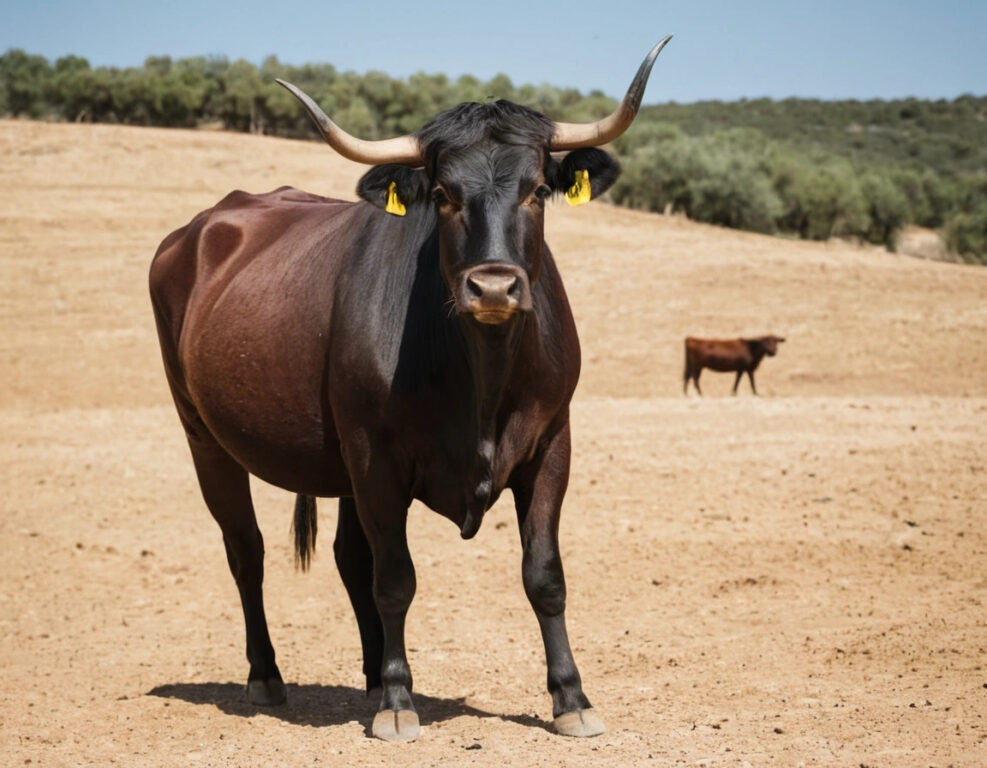
Cows, sheep, goats, deer, camels, giraffes, buffalo, antelope. All ruminants. What they share isn’t just a habit of chewing cud, it’s a four-chambered stomach built to extract nutrients from stuff most mammals can’t even digest: grass, hay, bark, leaves. Cellulose, in plain terms. The kind of fiber that would pass straight through a human or a dog without giving up a single calorie.
What Actually Happens Inside a Ruminant’s Stomach
The ruminant digestive system isn’t one stomach, it’s four compartments working in sequence. The rumen is the big one, a fermentation vat where billions of bacteria, protozoa, and fungi break down plant matter. This is where the magic happens. Microbes do the heavy lifting, not the animal itself.
From the rumen, food moves to the reticulum, then the omasum, and finally the abomasum, which is the only part that works like a «normal» stomach with acid and enzymes. That’s the real stomach in the classic sense. The first three are essentially a pre-digestion factory.
Here’s the part people miss: the animal doesn’t just eat and wait. It regurgitates partially fermented food, chews it again, and swallows it a second time. That’s rumination. It’s not a nervous tic or a sign of boredom. It’s a mechanical breakdown step that increases surface area so the microbes can finish the job faster.
Why Ruminants Have Four Stomachs Instead of One
The evolutionary logic is simple. Plants are tough. Cellulose is locked behind cell walls that resist normal digestion. A single-stomach animal would need to eat enormous volumes of grass just to scrape by. Ruminants solved this by outsourcing digestion to microbes and giving those microbes a warm, wet, temperature-controlled chamber to live in.
That partnership is the core of the ruminant animal definition. The animal provides the habitat and the food. The microbes provide the enzymes. Both sides win. Without those microbes, a cow would starve on a field of grass.
There’s also a timing angle. Ruminants eat fast when they’re vulnerable to predators, then retreat to a safe spot and chew cud at leisure. It’s a survival strategy disguised as digestion.
The Four Chambers, Explained Without the Textbook Fluff
- Rumen: The fermentation tank. Holds massive amounts of plant material and microbes. Where fiber starts breaking down.
- Reticulum: Works with the rumen and helps sort particles. Heavier stuff gets sent back for more chewing.
- Omasum: Absorbs water and some minerals. Filters out the liquid before it moves on.
- Abomasum: The true stomach. Acid and enzymes here finish what the microbes started.
If you’ve ever heard the phrase «true stomach,» the abomasum is what they mean. The rest is essentially a fermentation plant with a plumbing system.
What Ruminants Eat and Why It Matters
Ruminants are herbivores with a specific taste for fibrous plants. Grasses, legumes, hay, silage, leaves, bark, twigs. They don’t need grain. In fact, throwing too much grain at a ruminant can wreck its rumen pH and cause serious health problems. That’s why feedlots manage diets so carefully.
The ruminant diet works because their saliva is loaded with bicarbonate. That buffer keeps the rumen from turning too acidic during fermentation. It’s a built-in antacid system. Without it, the whole microbial ecosystem would collapse.
Their teeth are built for the job too. No upper front teeth in most species. Instead, a hard dental pad that presses against the lower incisors to rip grass. Molars in the back grind it down. Everything about their anatomy points to grazing.
Ruminants vs. Monogastric Animals: The Real Difference
A monogastric animal, like a pig, a dog, or a human, has one stomach. Digestion is mostly enzymatic and relatively fast. A ruminant has a four-chambered system where microbial fermentation does the heavy lifting before any acid shows up.
That’s why a cow can live on grass and a pig can’t. It’s not about willpower or appetite. It’s about anatomy. The ruminant stomach is a completely different biological machine.
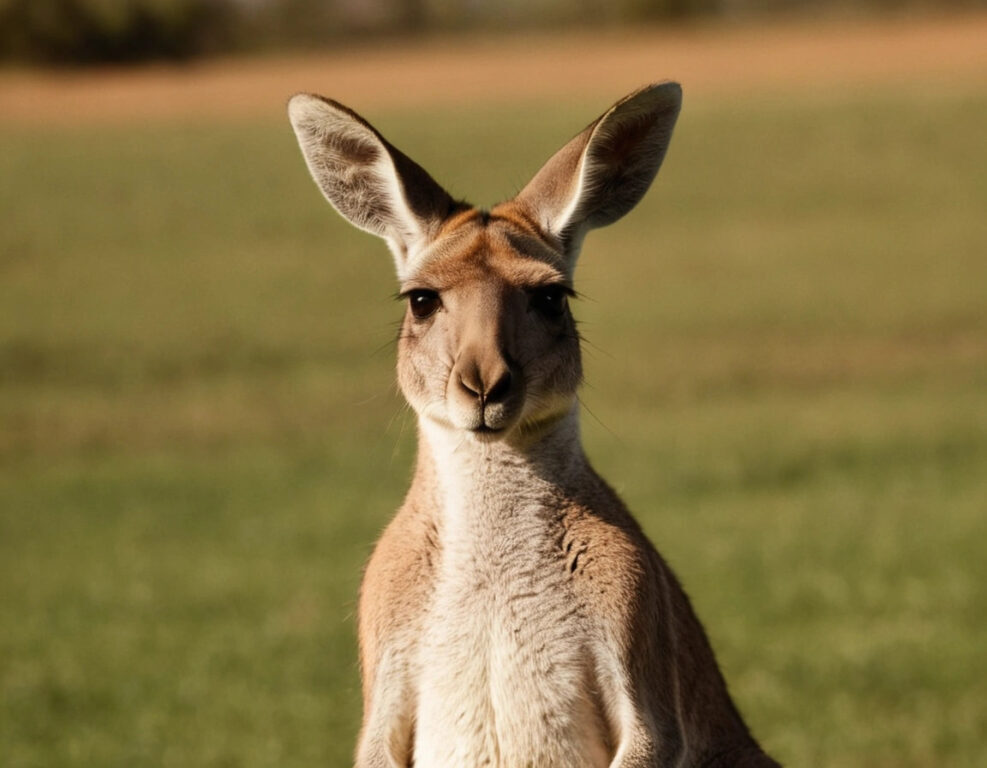
Some animals are called «pseudo-ruminants» or «hindgut fermenters.» Horses, rabbits, and kangaroos fall into this category. They ferment plant matter in the hindgut, not the foregut. Different strategy, similar outcome. But they’re not true ruminants.
Which Animals Are Actually Ruminants
The list is longer than most people think. Cows, sheep, goats, deer, elk, moose, antelope, bison, buffalo, giraffes, camels, llamas, alpacas, and yaks. All true ruminants. All have the four-chambered system and all chew cud.
Camels are a special case. They have a three-chambered stomach and a slightly different rumination pattern, but they’re still classified as ruminants. They adapted to desert life with the same core strategy: ferment plants before digesting them.
What unites them isn’t taxonomy alone. It’s the behavior. Chewing cud is the visible signature of a ruminant animal. If you see an animal lying down, jaw moving in a slow circular motion, it’s probably ruminating.
Why Ruminants Matter Beyond the Farm
Ruminants aren’t just livestock. They’re ecosystem engineers. By grazing, they keep grasslands from turning into scrubland. Their manure returns nutrients to the soil. Their hooves disturb the ground in ways that help seeds germinate.
In many regions, ruminant grazing is the only economically viable way to turn marginal land into food. You can’t grow crops on rocky hillsides or dry steppes, but you can run sheep or goats there. That’s not a small thing.
The flip side is methane. Ruminants produce it as a byproduct of fermentation. That’s a real environmental issue, and it’s why researchers are looking at feed additives, selective breeding, and pasture management to cut emissions. The goal isn’t to eliminate ruminants. It’s to make the fermentation process cleaner.
The Bottom Line on Ruminant Animals
A ruminant is an animal that ferments plant material in a specialized foregut, regurgitates it, chews it again, and extracts nutrients that would otherwise be locked away. That’s the whole deal. No mystique, no romance. Just a highly efficient biological solution to a very old problem: how to eat grass and survive.
Once you see it that way, a cow chewing in a field stops looking lazy and starts looking like a precision machine doing exactly what evolution designed it to do.