Post actualizado el día octubre 26, 2026 by DeiviSanzPlay
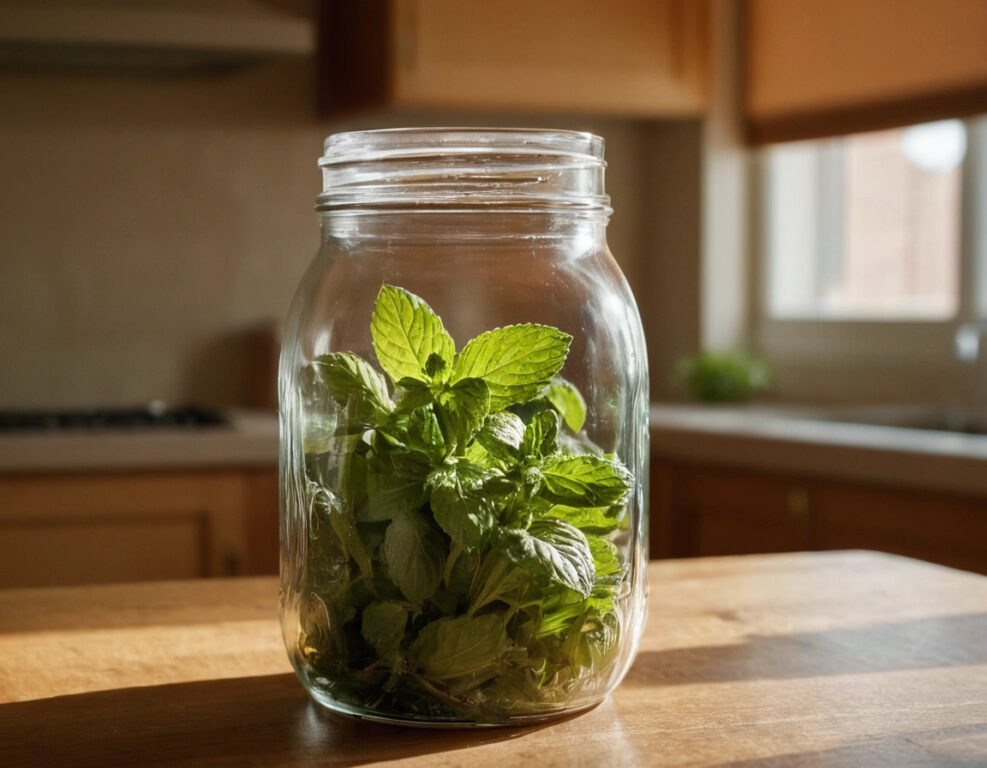
Forget about decorating your garden with a plant that only looks pretty. Sage is one of those herbs your grandmother kept in a pot on the windowsill for a reason, and in 2026 it’s still one of the most versatile plants you can grow. The sage plant isn’t just a garnish for roast chicken; it’s a natural remedy that has been used for centuries to fix everything from a bad stomach to a sore throat.
What Exactly Is the Sage Plant?
When we talk about the sage plant in a medicinal context, we’re almost always talking about Salvia officinalis, a woody perennial from the Mediterranean. That scientific name says it all: salvia comes from the Latin salvare, which means «to save» or «to heal.» Our ancestors didn’t name it that by accident.
The leaves are grey-green, slightly fuzzy, and packed with essential oils like thujone, camphor, and cineole. Those compounds are exactly why the sage plant has real pharmacological weight behind it, not just folk tales. But here’s the catch: not all sages are equal. You’ll find ornamental salvias in every garden center, but if you want the medicinal kick, you need the common culinary sage.
Real Benefits of Sage That Actually Hold Up
Let’s cut through the wellness-influencer noise. The sage plant has been studied for memory, and the results are interesting enough to take seriously. A well-known small trial from 2003 tested sage extract on healthy adults and found measurable improvements in word recall compared to placebo. Other research suggests it may inhibit acetylcholinesterase, the same mechanism some Alzheimer’s drugs use.
Beyond the brain, sage works as an anti-inflammatory and antimicrobial. That’s why it’s a classic gargle for sore throats and mouth ulcers. If you’ve ever had a dentist tell you to rinse with a herbal mouthwash, chances are it contained sage.
And yes, it does something for your skin. The sage plant has astringent and antibacterial properties that make it useful for oily or acne-prone skin. A cooled infusion applied with a cotton pad can calm redness, though I’d argue it’s more of a support act than a replacement for a proper skincare routine.
How to Grow Sage Without Killing It
Growing sage is almost insultingly easy, which is why it’s perfect for people who forget to water their plants. It’s a Mediterranean herb, so it wants what rosemary and thyme want: blazing sun, gritty soil, and very little water.
- Sun: at least 6 hours of direct light daily.
- Soil: sandy or loamy, and it must drain fast. Wet roots kill sage faster than cold.
- Water: let the soil dry out between waterings. Overwatering is the number one killer.
- Pruning: cut it back after flowering to keep it bushy and prevent it from going woody.
You can grow the sage plant in a pot on a balcony without any problem. If you live in a cold climate, bring it indoors before the first frost. It’s a perennial, so with a bit of care you’ll have leaves for years, not months.
Cooking With Sage: More Than a Stuffing Herb
In Mediterranean cooking, sage is treated like a staple, not a novelty. Brown butter and sage over pasta or gnocchi is a five-minute dish that tastes like you spent an hour on it. In Italy, saltimbocca wraps veal in prosciutto and a sage leaf, and that leaf is doing serious flavor work.
The trick is not to overdo it. Fresh sage is intense and slightly peppery; dried sage loses a lot of that punch. If you’re using dried, use less than you think you need. And don’t just save it for heavy winter dishes — chopped fresh sage works in bean salads and even in some cocktails.
How to Use Sage for Health (Without Going Overboard)
The classic way is a simple infusion: a few fresh leaves in hot water for five to ten minutes. It helps with bloating, mild indigestion, and that scratchy feeling at the back of your throat. Some people add honey and lemon, which is fine, though the sage is doing the heavy lifting.
For skin, let the infusion cool and apply it as a toner. For a sore throat, gargle with it. For memory and focus, you’ll find standardized sage extracts in capsule form, but I’d be cautious about high doses of essential oil — thujone is toxic in large amounts, and sage oil is not something to swallow casually.
One real caveat: if you’re pregnant, breastfeeding, or on anticonvulsant medication, don’t go making sage a daily habit without talking to a doctor first. Culinary amounts are fine, megadoses are not.
Why Sage Deserves a Spot in Your Garden in 2026
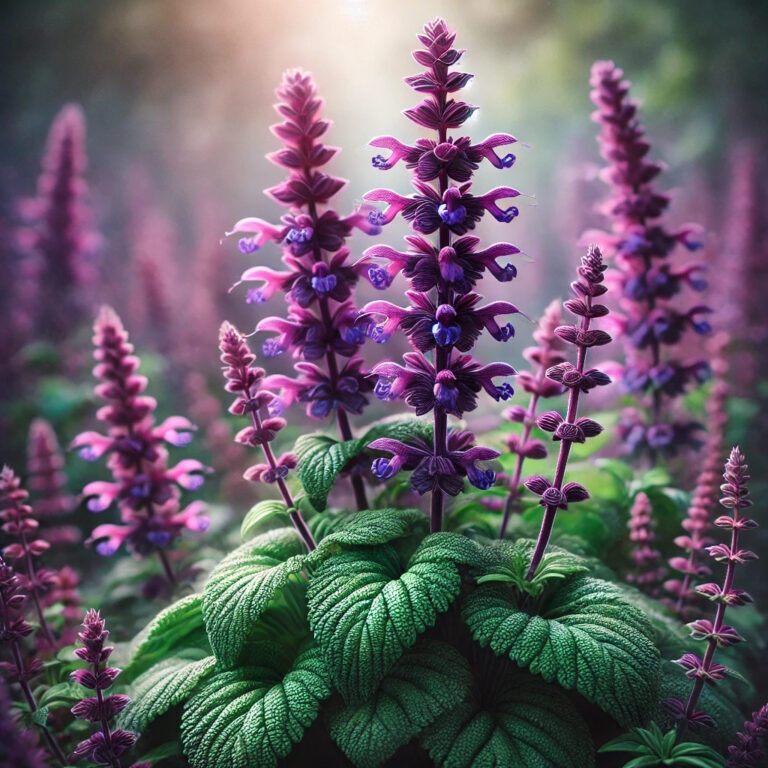
Beyond the health angle, the sage plant pulls its weight in the garden ecosystem. Its purple or blue flowers are magnets for bees and butterflies, which means you’re quietly boosting the biodiversity of your patch. It’s drought-tolerant, so it doesn’t care about water restrictions. And it looks good all year, even in winter when most herbs have given up.
There’s also something to be said for having a living pharmacy a few steps from your kitchen. You don’t need a farm. One pot, one sunny windowsill, and you’ve got fresh leaves for tea, cooking, and the occasional sore throat emergency. That’s a pretty good return on a plant that costs less than a takeaway coffee.
Frequently Asked Questions About the Sage Plant
Is sage the same as Salvia?
Yes and no. Salvia is the genus, with hundreds of species. The sage plant people cook with and use medicinally is specifically Salvia officinalis.
Can I grow sage indoors?
Absolutely, as long as it gets strong light. A south-facing window or a small grow light will do. Just don’t drown it.
Does sage really help with memory?
Some clinical studies point that way, particularly for short-term word recall. The evidence isn’t bulletproof, but it’s stronger than most herbal claims you’ll see online.
How often can I drink sage tea?
Once or twice a day for short periods is reasonable. It’s not something to chug all day, every day, especially if you’re pregnant.