Post actualizado el día octubre 26, 2026 by DeiviSanzPlay
You’re not here for fluff. You want to know why you wake up at 3 a.m. with your brain running a marathon, and you want it fixed. I’ve spent years testing this on myself and digging into sleep science, and here’s the raw truth: stress and sleep are locked in a toxic loop. You stress, you sleep badly; you sleep badly, you stress more. Breaking that cycle isn’t about fancy gadgets or expensive supplements. It’s about hacking your nervous system with a few brutal, non-negotiable changes.
Why Stress Wrecks Your Deep Sleep (And What to Do)
Cortisol is the villain here. When you’re stressed, your body pumps it out at night when it should be dropping. That keeps your heart rate up and your brain in a light, vigilant sleep stage. You never hit slow-wave sleep, the deep phase where your body repairs tissue and consolidates memory. The result? You wake up feeling like you never slept. The fix isn’t a pill; it’s lowering cortisol before bed.
One move that works: a 10-minute «worry dump» on paper. Write down every nagging thought and a single action for each. This isn’t journaling for therapy; it’s a brain declutter. Once it’s on paper, your mind stops rehearsing it. I do it at 8 p.m., not right before bed, so the mental dust settles.
Another non-negotiable: get sunlight in your eyes within 30 minutes of waking. This anchors your circadian rhythm. If you skip it, your melatonin release gets delayed, and you’ll be wired at midnight. No excuses—even a cloudy day works.
Nighttime Routines That Actually Work (Skip the Candle BS)
You’ve heard «relax before bed.» Vague. Here’s the concrete version. Stop eating 3 hours before sleep. Digestion raises core body temperature, and you need it to drop to fall asleep. Kill blue light 90 minutes before bed—not just phone on night mode, but no screens at all. Read a physical book under a dim, warm lamp.
Temperature matters more than you think. Your bedroom should be 65–68°F (18–20°C). A hot room traps you in light sleep. Take a hot shower 90 minutes before bed: the subsequent cooldown mimics the natural temperature drop that triggers sleep.
If you’re anxious, try 4-7-8 breathing: inhale 4 seconds, hold 7, exhale 8. Do four cycles. This activates the parasympathetic nervous system. Not woo-woo—it’s physiology. I’ve used it to stop panic spirals at 2 a.m.
Exercise and Diet: The Daytime Habits That Save Your Nights
Moderate exercise helps, but timing is everything. Intense workouts within 3 hours of bed raise adrenaline and cortisol. Move them to the morning or early afternoon. A brisk 30-minute walk after lunch is enough to improve sleep quality by reducing stress hormones.
What you eat matters. Magnesium-rich foods (spinach, pumpkin seeds, dark chocolate) relax muscles. Tryptophan sources (turkey, eggs, cheese) help produce serotonin and melatonin. Avoid alcohol—it knocks you out but fragments sleep in the second half of the night. That 3 a.m. wake-up? Often alcohol’s fault.
If you need a nighttime tea, chamomile and valerian root have real evidence behind them. Lavender aromatherapy also works for mild anxiety. But don’t rely on them as a crutch; fix the root cause first.
When Insomnia Hits: A Brutal but Effective Protocol
If you’re lying awake for more than 20 minutes, get out of bed. Go to another room and do something boring—read a dull book under dim light. Return only when sleepy. This is stimulus control therapy, and it’s the gold standard for chronic insomnia. It’s hard, but it retrains your brain to associate bed with sleep, not frustration.
Don’t check the clock. Ever. Clock-watching spikes anxiety and makes insomnia worse. Turn your phone face down or, better, leave it outside the bedroom.
If you wake up at night and can’t fall back asleep, try a body scan meditation. Start at your toes and mentally relax each muscle group. It’s boring—that’s the point. Boredom beats anxiety.
Creating a Sleep Cave: Environment Over Willpower
Your bedroom should be a cave: dark, cool, quiet, and reserved for sleep and sex. Blackout curtains, a white noise machine, and a comfortable mattress are investments, not luxuries. If your partner snores, earplugs. If light leaks, an eye mask. No TV, no work laptop, no bills on the nightstand.
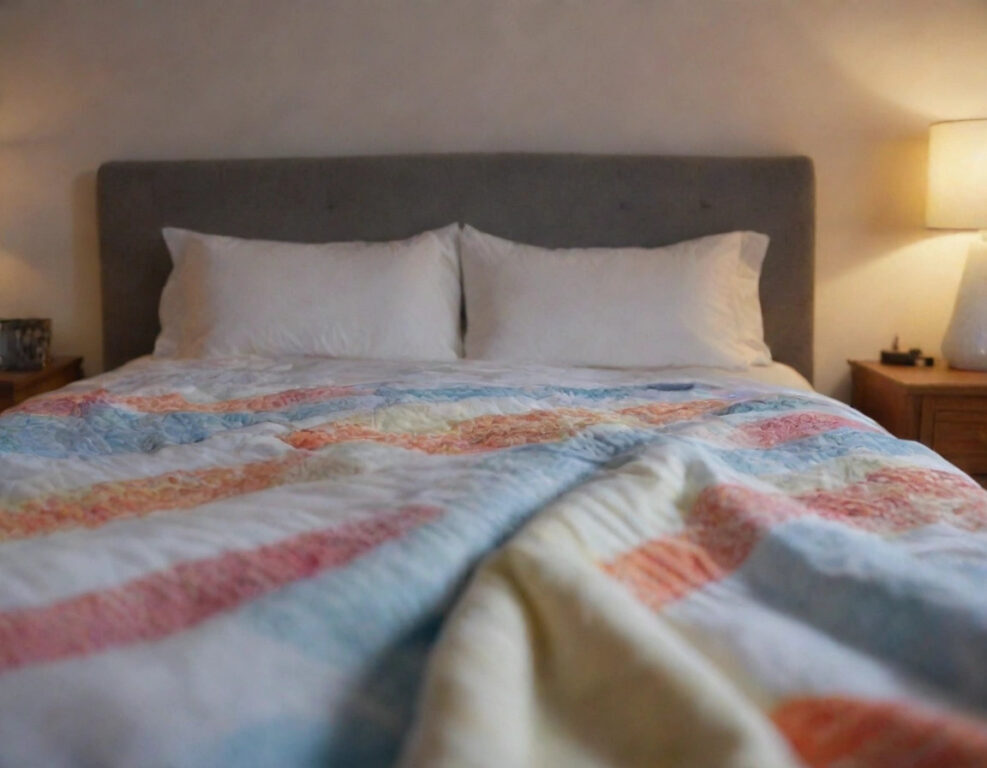
Keep the room clean. Clutter visually stimulates the brain. A made bed and a clear floor signal «rest» to your subconscious. It sounds trivial, but it works.
If you share a bed with a pet that moves at night, consider a separate sleeping spot for them. Your sleep quality is non-negotiable.
The One Thing You Must Accept: Consistency Beats Perfection
You won’t sleep perfectly every night. Some nights you’ll break the rules. The key is consistency over weeks, not days. Go to bed and wake up at the same time—even on weekends. Yes, it’s annoying. Yes, it works. Your circadian rhythm thrives on predictability.
Stop chasing the perfect sleep hack. The secrets to sleep deeply and reduce stress are boring: light management, temperature control, stress dumping, and routine. Do them daily. After two weeks, you’ll wonder why you ever struggled. And if you still can’t sleep after a month of this, see a doctor. Insomnia can be a symptom of sleep apnea or thyroid issues. Don’t tough it out.
Now go set your alarm for the same time tomorrow. No snooze. That’s the first secret.