Post actualizado el día octubre 25, 2026 by DeiviSanzPlay
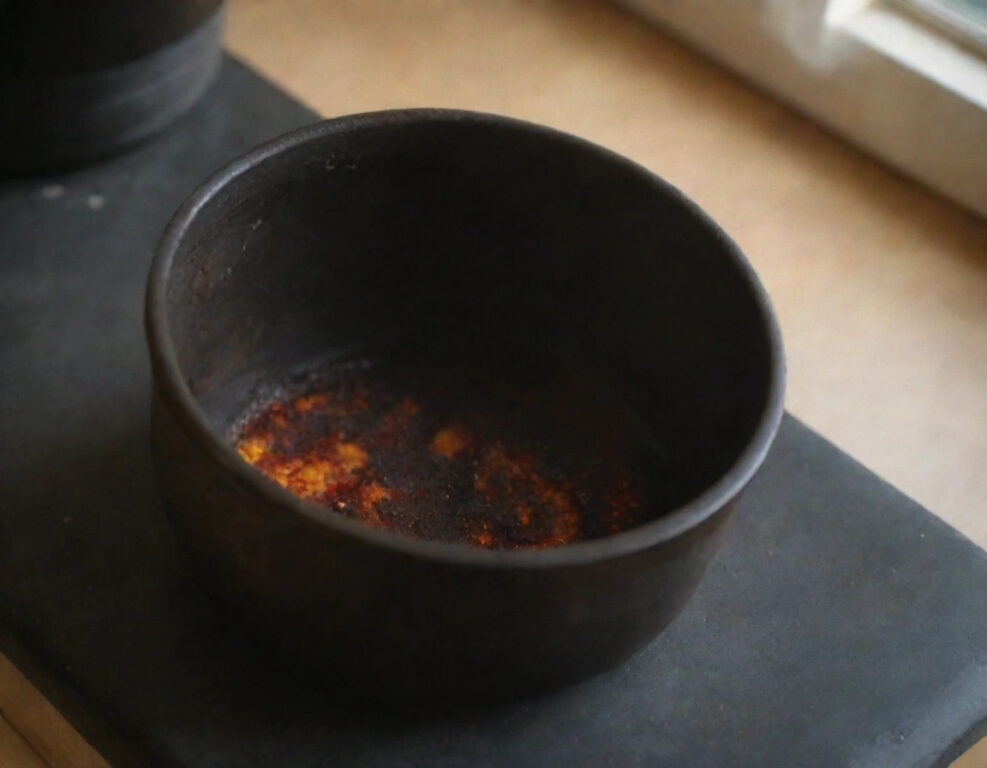
Cleaning the barbecue isn’t just a matter of aesthetics. A dirty grill accumulates burnt grease, food scraps, and bacteria that ruin the flavor of any roast. What’s more, that layer of charred residue speeds up corrosion and forces you to replace your equipment sooner than you should. Let me be clear: if you don’t clean after every use, you’re throwing money away and gambling with food safety.
Many people think a quick pass with the brush is enough. Wrong. Cleaning a barbecue takes technique, and if you do it right, your grill will last for years and the ribs will taste glorious. Here are the steps that actually work, no miracles or strange products required.
Heat the grill before scrubbing: the trick almost no one gets right
The first step in cleaning the barbecue is to turn it on at high heat for 10 or 15 minutes with the lid closed. That extreme heat turns stuck-on grease into ash, and then it’s much easier to remove. You don’t need to leave it for half an hour; that’s more than enough time.
Then turn it off and let it cool down. Not burning hot and not cold: warm. If you touch it while it’s burning hot you’ll burn yourself, and if you wait for it to cool completely the grease sticks again. That middle point is key for effective barbecue cleaning.
Brushing with care: wire yes, but carefully
With the grill warm, grab a wire-bristle brush and scrape vigorously. Go in the same direction as the bars, not in circles, so you don’t leave grooves. The corners and edges are where the most grime hides, so put extra effort there.
Watch out for cheap brushes: there are documented cases of wire bristles coming loose and ending up in the food. If you see yours shedding bristles, throw it away. A quality brush costs little and saves you a scare. This is the most important part of barbecue cleaning, because it determines whether charred residue is left on your next piece of meat.
The grease tray: the spot everyone forgets
After brushing, run a damp cloth over it to pick up the loose bits. And now comes what many people overlook: the grease tray. Empty it, wash it with hot water and soap, and dry it well. If you leave that accumulated grease, it becomes a breeding ground for bacteria and a source of bad odors that seep into the meat.
If your barbecue is charcoal, also remove the ashes from the bottom. A thick layer of ash blocks the air intakes and keeps the charcoal from burning well. On a gas one, check that the burners aren’t clogged with solidified grease.
Exterior of the barbecue: water and soap, and baking soda for the tough spots
For the external surfaces, you don’t need harsh products. A mixture of hot water with a few drops of dish soap is more than enough. Go over it with a sponge, rinse, and dry immediately with a clean cloth. Moisture is metal’s number one enemy: if you leave standing water, rust and stains appear.
If there’s a stubborn grease or soot stain, make a paste with baking soda and water. Apply it to the stain, let it sit for five minutes, and scrub with a soft scouring pad. This homemade trick for cleaning the barbecue works better than many commercial cleaners and doesn’t scratch the paint.
Stainless steel: make it shine, but don’t mistreat it
If your barbecue has stainless steel parts, use a cleaner specifically made for that material. Apply it with a microfiber cloth following the grain of the metal, never in circles. That way you avoid scratches and keep the shine. Afterwards, a thin layer of mineral oil helps protect the surface from oxidation and fingerprints.
Don’t use steel wool or concentrated bleach on stainless steel: it dulls and corrodes it. For cleaning stainless steel barbecues, less is more.
How often to clean the barbecue depending on use
A grill you use twice a year isn’t the same as one you fire up every weekend. If you’re a frequent griller, do a thorough barbecue cleaning every 3 or 4 uses, and a quick once-over after each cookout. If you use it rarely, clean it before and after each use, because old grease hardens and takes twice the effort.
Once a year, take apart whatever parts you can (grates, burners, trays) and do a deep clean. Take the opportunity to check screws, gas lines, and the condition of the grates. If they’re very rusty or warped, replace them: a grate in bad shape doesn’t cook the same.
Mistakes that ruin your barbecue without you realizing
- Cleaning it cold: the grease won’t come off, you just scrub it and spread it around. Heat it first.
- Using too much water: pressurized water on gas or charcoal parts rusts and damages the mechanisms.
- Leaving the ash: moisture + ash = corrosive paste that eats away at the metal.
- Not drying it: it sounds silly, but leaving the barbecue damp is the fast track to rust.
- Abrasive products: they scratch, discolor, and in the long run force you to repaint or replace parts.
If you avoid these mistakes, cleaning your barbecue will be quick and you won’t have to battle rust or strange odors. And most importantly: the food will taste the way it should, not like last Sunday’s burnt grease.
Products that really work (and the ones that don’t)
You don’t need an arsenal of chemicals. With dish soap, baking soda, a decent wire brush, a microfiber cloth, and a stainless steel cleaner if your grill has stainless steel, you’re more than covered. The barbecue-specific cleaners sold at hardware stores are fine for stubborn grease, but they don’t work miracles that baking soda can’t.
What I don’t recommend: pure bleach on metal, industrial solvents, or strong acids. They eat away at the metal and leave residues that can later end up in your food. Cleaning the barbecue should be effective, but also safe for what you’re going to cook afterwards.
The final trick to keep the grill from sticking
After cleaning and drying well, take a paper towel, moisten it with a little sunflower oil, and run a thin layer over the entire grate. That creates a protective film that keeps your next piece of meat from sticking and slows oxidation. Don’t use olive oil for this: it burns sooner and leaves a sticky residue.
If you follow these steps, your barbecue will be ready for the next roast with no surprises. And if you also cover it when you’re not using it, you’ll double its lifespan. Cleaning the barbecue isn’t a punishment: it’s part of the grilling ritual. Do it right and you’ll notice it in every bite.