Post actualizado el día octubre 17, 2026 by DeiviSanzPlay
You want a dog that looks like a wolf but fits in a city apartment. Fine. But before you fall in love with a photo on Instagram, you need to hear the ugly part: most «mini wolf dogs» aren’t a real breed. They’re either crossbreeds sold with a fancy label or actual wolf-dog hybrids that will wreck your life. Let’s separate fact from marketing.
What People Actually Mean by «Small Wolf Dog Breeds»
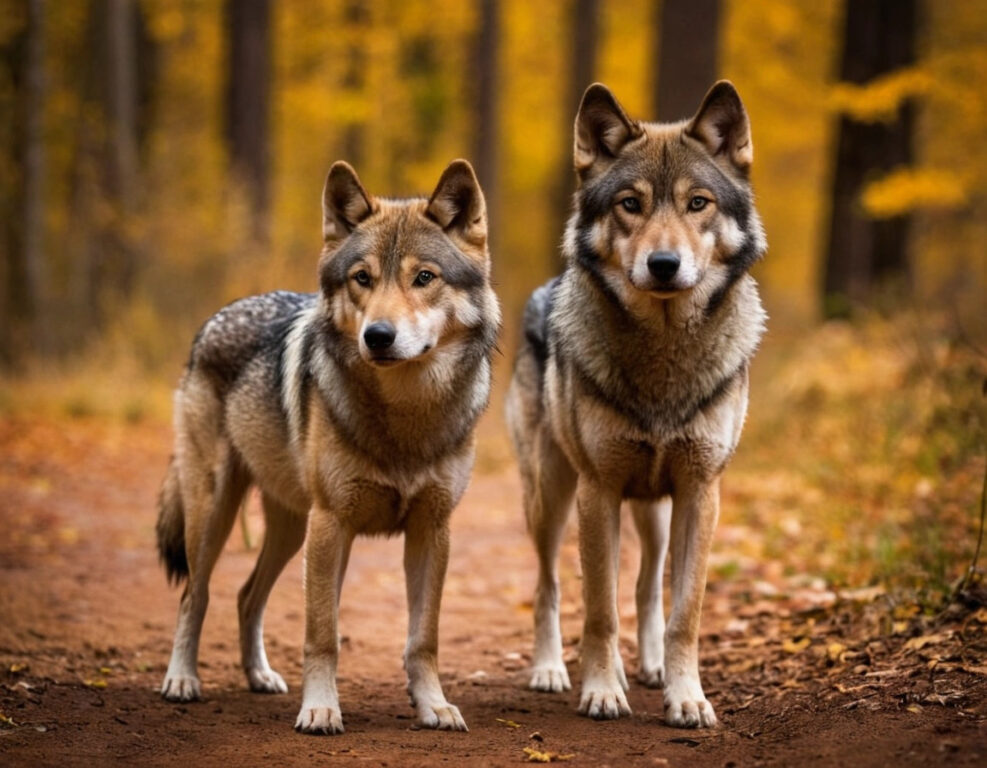
When someone searches for small wolf dog breeds, they usually mean one of two things: a spitz-type dog with wolfish looks (thick coat, erect ears, piercing eyes), or a genuine wolf-dog hybrid bred down in size. Those are not the same animal, and treating them as equals is how people end up with a 40-kilo animal that howls at 3 a.m. and destroys doors.
Wolf-dog hybrids are illegal or restricted in many US states and in several European countries. If you live in a place with a breed ban, no amount of «mini» labeling will make it legal. Check your local ordinance before you even look at a puppy.
Alaskan Klee Kai: The Closest Thing to a Mini Husky
The Alaskan Klee Kai is the real deal when it comes to a compact wolf-looking dog. It was developed in the 1970s in Alaska by Linda Spurlin, specifically to create a smaller version of the Siberian Husky. There are three size categories: toy, miniature, and standard. The standard tops out around 17 inches at the shoulder and weighs between 10 and 23 pounds.
It’s a spitz, not a hybrid. That means no wolf DNA. It has the mask, the upright ears, the curled tail, and that intense stare people associate with wolves. But it also has a sharp, alert temperament that needs real work.
If you want the wolf-like dog appearance in a small package, the Klee Kai is your best bet — with one caveat. They’re escape artists. A yard with a four-foot fence is a joke to them. They’ll climb, dig, or squeeze through gaps you didn’t know existed.
Miniature Siberian Husky: Mostly a Marketing Label
The «Miniature Siberian Husky» is not recognized by the American Kennel Club or any major kennel club. What you’ll find advertised under that name are usually smaller-than-average Siberian Huskies, Husky mixes, or Alaskan Klee Kai sold under a more recognizable name.
That doesn’t mean the dog is bad. It means you’re paying a premium for a label that doesn’t exist. A responsible breeder will tell you straight: there’s no such breed standard. If someone insists there is, walk away.
What you can get is a smaller Husky-type dog with the same needs: serious daily exercise, a secure fence, and a tolerance for shedding twice a year that will fill a vacuum cleaner bag in a week.
Chinook: The Forgotten Wolf-Looking Sled Dog
The Chinook is a genuine breed, recognized by the UKC, developed in New Hampshire in the early 20th century by Arthur Walden. It’s a sled dog with a tawny coat, drop ears in some lines, and a build that sits between a Husky and a German Shepherd in appearance. It’s not tiny — males run 55 to 90 pounds — so it doesn’t fit the «small» category, but it’s worth knowing because it’s one of the few wolfish breeds with a genuinely calm, family-friendly temperament.
If your priority is a dog that looks like a wolf but is safe around kids, the Chinook beats most spitz breeds. They’re rare, though. Expect a waiting list.
Czechoslovakian Wolfdog and Saarloos: Not for Apartments
The Czechoslovakian Wolfdog is a real breed, created in 1955 from a German Shepherd and Carpathian wolf cross. It’s legal in most of Europe but restricted in some countries. It is not small. Males stand around 26 inches and weigh 60-plus pounds. There is no such thing as a genuine «Miniature Czechoslovakian Wolfdog» — anyone selling one is selling a mix.
Same story with the Saarloos Wolfdog. These are working animals with strong prey drive, shyness toward strangers, and a need for serious socialization from week one. They are not beginner dogs, and they are not apartment dogs.
Care That Actually Matters for a Wolf-Looking Small Dog
Forget generic advice. Here’s what actually breaks people with these dogs:
- Exercise is non-negotiable. A Klee Kai or small Husky needs 60 to 90 minutes of real activity per day. A walk around the block doesn’t count. Without it, you get destruction, barking, and anxiety.
- Coat care is seasonal and brutal. Double-coated spitz breeds blow their undercoat twice a year. During those weeks, brush daily or your furniture becomes fur.
- Dental issues are common in toy-sized spitz. Small jaws mean crowded teeth. Start brushing early or pay for professional cleanings.
- Secure containment. Climbing, digging, and door-dashing are standard. A GPS collar is not paranoia with these breeds.
Temperament: Smart, Stubborn, and Not for Everyone
These dogs are not Labs. They’re independent, alert, and often reserved with strangers. That’s not a flaw — it’s the wolfish heritage showing up in behavior. They bond hard with their family and can be protective.
Socialization from puppyhood is mandatory. Skip it and you get a small dog with big-dog problems: resource guarding, leash reactivity, and territorial barking. Do it right and you get a loyal, athletic companion that’s genuinely fun to live with.
Training has to be consistent and reward-based. These dogs don’t respond well to harsh corrections. They shut down or push back. Short sessions, clear rules, high-value treats. That’s the formula.
Feeding a Small Wolf-Looking Dog
High-protein, animal-based food works best. These are active dogs with lean builds. Look for a formula with named meat as the first ingredient and avoid fillers that just add bulk. Portion control matters more than most owners admit — small spitz breeds gain weight fast when under-exercised, and extra weight stresses their joints.
Before You Buy: The Questions That Matter
Ask the breeder three things: Can I see the parents? What health tests have been done? And what happens if I can’t keep the dog? If any answer is vague, leave. With wolf-dog hybrids, ask for DNA proof. If they can’t provide it, you’re buying a mystery mix with a wolf price tag.
A small wolf dog breed can be an incredible companion. But only if you pick a real breed, understand the exercise and containment demands, and accept that «wolf-like» means «not easy.» Get that right and you’ll have a dog that turns heads on every walk for the next 12 to 15 years.