Post actualizado el día octubre 26, 2026 by DeiviSanzPlay
If you’re fed up with staring at the ceiling at 3 AM, listen up: the best exercises to sleep better aren’t some fancy gym routine. They’re simple movements you can do today, and the research behind them is solid. I’ve dug into the actual studies — not the fluffy wellness blog stuff — and here’s what genuinely works.
Quick reality check first: exercise helps you sleep better, but timing matters more than most people admit. A 2019 meta-analysis in Sleep Medicine Reviews found that moderate aerobic exercise cut sleep onset latency by around 8 minutes on average. Not massive, but noticeable. The catch? Evening high-intensity sessions can backfire for some people.
Aerobic Exercise: The Backbone of Better Sleep
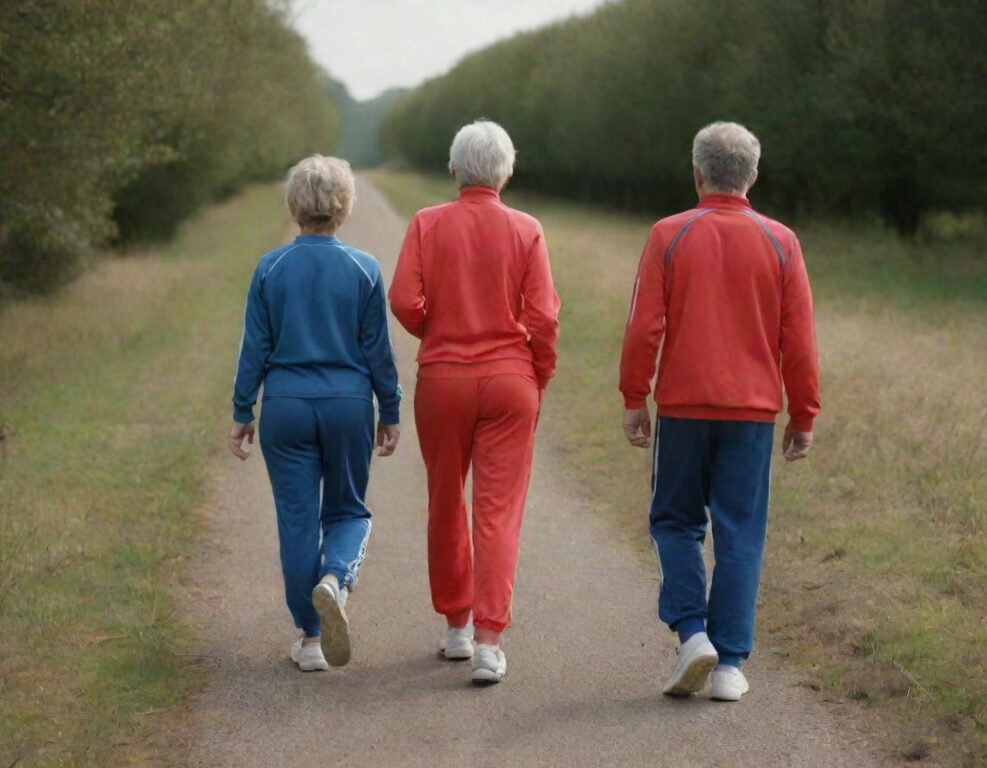
Walking, jogging, cycling — anything that gets your heart rate up for 20 to 40 minutes — has the strongest evidence behind it for improving sleep quality. A 20 to 30-minute walk outdoors in the afternoon is my go-to recommendation for people dealing with mild insomnia. Sunlight exposure during that walk also helps reset your circadian rhythm, which is half the battle.
Moderate running or jogging works too. Endorphins get released, mood lifts, and your body temperature rises then drops afterward — that post-exercise temperature dip is actually one of the mechanisms that makes you drowsy. Just don’t sprint at 10 PM and expect to pass out at 10:30.
Cycling, whether stationary or outdoors, delivers the same benefits. Cardiovascular activity improves circulation, and better blood flow means your body recovers more efficiently during the night. Morning or afternoon rides are ideal.
Yoga and Stretching: The Nighttime Allies
Here’s where I’ll push back on the usual advice. Yoga before bed isn’t just «relaxing» — specific poses actually trigger measurable parasympathetic nervous system activation. Child’s pose, legs-up-the-wall, and corpse pose lower cortisol levels. A small 2020 study on older adults found that 20 minutes of bedtime yoga improved sleep efficiency scores by roughly 10%.
Gentle stretching does something similar. It releases muscular tension accumulated during the day, and that physical relaxation signals to your brain that it’s safe to wind down. If you sit at a desk all day, this is probably the single highest-ROI change you can make to your evening routine.
Breathing Exercises: Not Exercise, But Essential
Purists will say breathing techniques don’t count as exercise. Fine. But the 4-7-8 method — inhale 4 seconds, hold 7, exhale 8 — has real evidence behind it for reducing anxiety before sleep. Diaphragmatic breathing slows your heart rate and lowers blood pressure. It’s the cheapest sleep aid you’ll ever use.
If you suffer from insomnia or racing thoughts at night, this is the place to start. Not because it’s trendy, but because it works fast and has zero side effects.
Strength Training: The Underrated Option
Weightlifting, squats, push-ups — resistance training doesn’t get enough credit for sleep. A 2022 study in BMJ Open Sport & Exercise Medicine showed that resistance exercise improved sleep quality scores in older adults just as much as aerobic training. The mechanism? Increased serotonin production and better blood sugar regulation.
Keep it light to moderate in the evening. Heavy lifting too close to bedtime can leave you wired, especially if you’re sensitive to adrenaline.
Tai Chi and Qi Gong: Slow but Effective
These slow, controlled movement practices are legit. Multiple studies on older adults show Tai Chi reduces insomnia severity and improves sleep duration. They combine gentle movement with breath control and mental focus — essentially meditation in motion. If high-intensity exercise isn’t your thing or your joints can’t handle it, this is your lane.
What Actually Matters More Than the Exercise Itself
Consistency beats intensity every time. Doing one of these activities three or four times a week will do more for your sleep than a brutal session once a month. And no exercise routine will fix a chaotic sleep schedule or a screen addiction at midnight.
Exercise routines to prevent insomnia should be built gradually. Start with a 20-minute walk. Add stretching. Then layer in strength work if you want. The people who sleep best aren’t doing anything exotic — they’re just moving regularly and respecting their body’s need for wind-down time.
One last thing: if you’ve tried all this for a month and you’re still staring at the ceiling, the problem probably isn’t your exercise routine. Talk to a doctor. Sleep apnea, thyroid issues, and anxiety disorders don’t get fixed by jogging.