

Post actualizado el día octubre 26, 2026 by DeiviSanzPlay
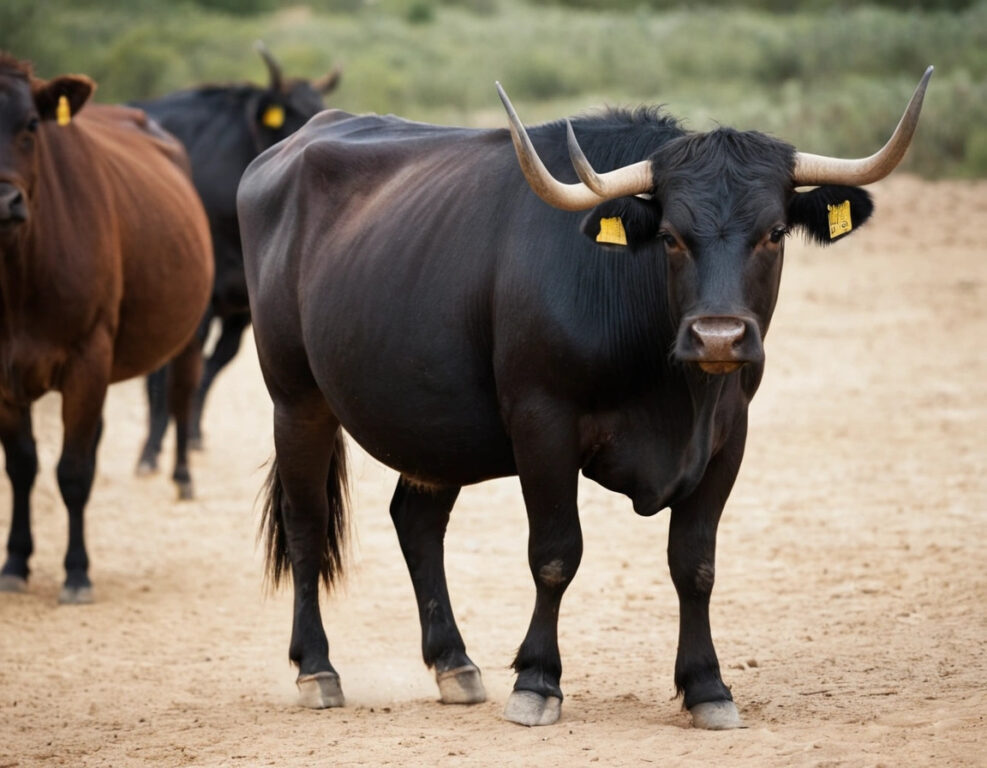
You’ve seen the photos: a black beast exploding out of the toril gate, muscles rippling, hooves tearing up the sand. The toro bravo — the Spanish fighting bull — is not just any cow with an attitude. It’s a genetically engineered warrior, shaped over centuries to do one thing: fight. And whether you love bullfighting or want it gone, you can’t ignore what this animal is.
Let’s cut the romanticism and the activist slogans for a minute. The toro bravo is a real breed with real biology, real history, and real problems. Here’s what actually matters in 2026.
What Exactly Is a Toro Bravo? Not Your Average Bull
The toro bravo (also called toro de lidia) is a distinct breed native to the Iberian Peninsula. It’s not a fighting version of a regular bull — it’s a separate genetic line, officially recognized since the 19th century when breeders started keeping serious genealogical records.
What sets it apart? A few things no other cattle breed pulls off at the same level:
- Explosive speed: It can accelerate from standstill to full gallop in a couple of strides.
- Incredible nerve: The toro bravo doesn’t flee from humans — it charges.
- Territorial aggression: It reacts to movement, not just threats, which is why the cape works.
- Physical resilience: It can take hits and keep going in ways that would kill other cattle.
These aren’t accidents. They’re the result of selective breeding that goes back to the 1700s, when Spanish ranchers began isolating the most combative bloodlines.
Where the Toro Bravo Came From — and Why It Matters
The toro bravo didn’t appear out of nowhere. It descends from the ancient wild cattle that roamed Iberia, later shaped by Castilian and Andalusian ranchers. By the 18th century, families like the Jijón, the Raso del Portillo, and later the Miura and Domecq lines had turned bull breeding into a science.
This matters because the toro bravo is one of the oldest livestock breeds in Europe still doing what it was originally bred to do. You can’t say that about most heritage breeds — they’ve been turned into museum pieces or meat producers. The fighting bull is still fighting.
The Breeding Process: How a Fighting Bull Is Made
Raising a toro bravo is nothing like raising beef cattle. The animals live semi-wild on ganaderías (fighting bull ranches), often in large open dehesas — oak-studded grasslands that stretch for hundreds of hectares.
The process looks roughly like this:
- Selection at birth: Calves are tagged and their lineage recorded. Weak or overly docile animals are culled from the fighting line.
- Free-range rearing: Bulls roam freely for 3-4 years, developing muscle, stamina, and that unpredictable temperament.
- The tienta: At around 2 years, heifers and some bulls are tested with a cape in a controlled setting to evaluate bravery and charge patterns.
- Final selection: Only bulls that show the right combination of aggression, speed, and stamina get sent to the plaza.
Diet isn’t random either. The diet of the toro bravo is mostly natural pasture, supplemented with grains and fodder depending on the ranch. Feed influences muscle density, stamina, and even how explosive the bull is in the ring.
The Behavior: Why Fighters Fear and Respect the Toro Bravo
Watch a bullfight closely and you’ll notice something: the toro bravo learns. It remembers which side the horse came from. It adjusts its charges. It targets the man, not the cape, if it gets the chance.
That’s not a bug — it’s the entire point of the breed. A bull that just runs blindly isn’t considered noble or brave. The best toros bravos show casta — a combination of spirit, intelligence, and willingness to fight that no other cattle breed has.
The fighting bull is the only animal in the world bred specifically to fight a human being in public. Whatever you think of that, it’s a fact that shapes everything about how it’s raised.
The Welfare Debate: What’s Actually Happening in 2026
Here’s where I stop being neutral. The toro bravo lives better than almost any factory-farmed animal on the planet — and then it dies in a bullring. Both things are true.
On the ganadería, the bull has space, natural food, and minimal human interference. It’s not crammed into a feedlot. It’s not pumped with growth hormones. It’s not transported across continents.
But the end is the end. And in 2026, the debate isn’t about whether bullfighting should exist — that fight is largely settled in most of Spain, where regional bans and animal welfare laws have shifted the landscape. The real debate is about what happens to the breed if bullfighting disappears.
Because here’s the uncomfortable truth: without bullfighting, the toro bravo probably doesn’t survive as a breed. You can’t raise an animal this aggressive, this expensive, and this dangerous just for meat. It has no other economic purpose.
The Culture: More Than a Bullring
The toro bravo is everywhere in Spanish culture — and not just in plazas. It shows up in:
- Art: Goya, Picasso, and countless lesser-known painters used the bull as a symbol of raw Spanish identity.
- Literature: From Lorca to Hemingway, the bull has been a stand-in for fate, death, and courage.
- Festivals: Encierros like San Fermín, capeas, and corridas in small towns keep the tradition alive, often with less pageantry and more chaos.
- Branding: The Osborne bull silhouette — a black toro bravo on a hillside — is one of the most recognizable logos in Spain.
You don’t have to like bullfighting to understand that the toro bravo is a cultural artifact as much as a biological one. It exists because Spain decided, centuries ago, that this animal mattered.
Frequently Asked Questions About the Toro Bravo
Is the toro bravo the same as other Spanish bulls?
No. The toro bravo is a distinct breed with its own registry, bloodlines, and breeding goals. Other Spanish cattle like the Retinta or Avileña are raised for meat. The toro bravo is raised to fight.
What does a toro bravo eat?
Mostly pasture grass, hay, and supplemental grains. The diet of the toro bravo is designed to build muscle and stamina, not fat. Some ranches use specific feed mixes, but the goal is always a lean, powerful animal.
How long does a toro bravo live?
If it’s selected for the ring, it dies at around 4-6 years old. If it’s not selected — due to injury, temperament, or lack of casta — it may live longer on the ranch as a stud or be sold for meat, though that’s rare.
Can you see a toro bravo outside of a bullfight?
Yes. Many ganaderías offer tours, and there are encierros and rural festivals where bulls run through streets. Some animal sanctuaries also keep retired or rejected bulls.
So What Happens Next?
The toro bravo is caught between two forces: a tradition that wants to keep it fighting and a modern sensibility that wants to end the fight. Neither side has a clean answer for what happens to the animal itself.
What I know is this: the toro bravo is not a victim in the way a factory-farmed chicken is. It’s a creature bred for a purpose, and that purpose is violent. Whether that’s noble or barbaric is a question Spain has been arguing about for centuries — and will keep arguing about long after the last bull leaves the ring.


