Post actualizado el día octubre 26, 2026 by DeiviSanzPlay
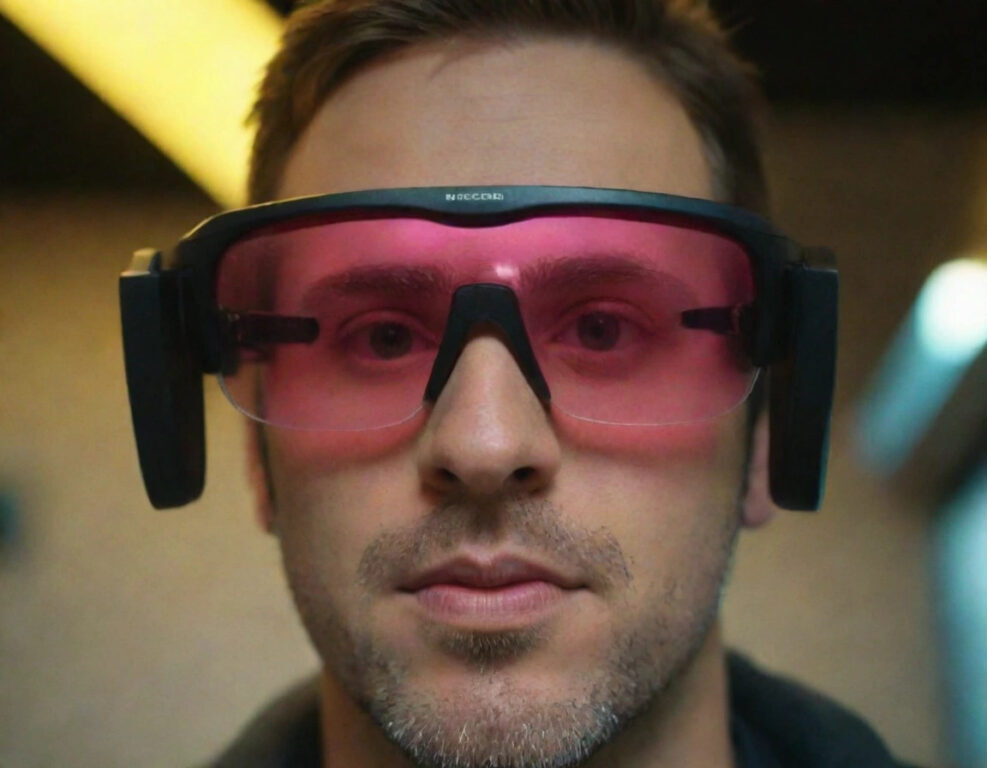
Let’s cut the crap: the whole «work from a Caribbean beach» pitch has been sold to us for years, and most of the time it’s just a laptop, terrible Wi-Fi, and sand in your keyboard. But something has actually shifted. Virtual reality for remote work in 2026 is no longer a gimmick for tech conferences. It’s a real tool that lets you ditch the office without ditching your team, your focus, or your productivity.
I’ve spent the last few months digging into what VR can genuinely do for professionals right now, not in some sci-fi 2035. And the honest answer is: a lot, but not in the way the hype merchants tell you. The beach part is optional. The real win is escaping the open-plan nightmare while keeping the human connection that video calls keep failing to deliver.
VR for Professional Training: Where the Money Actually Saves Itself
The most boring-sounding use case is also the one with the clearest return on investment. Virtual reality in professional training has moved from pilot projects to standard practice in fields where mistakes cost lives or millions.
A surgeon can run through a complex intervention in a virtual operating room ten times before touching a real patient. A technician can learn to repair a turbine without shutting down a production line. This isn’t about gamification for its own sake; it’s about the fact that experiential learning sticks in your brain far better than a PowerPoint ever will.
What most companies get wrong is treating VR training as a one-off spectacle. The smart ones build libraries of scenarios, update them regularly, and track performance data. That’s when VR stops being a cost centre and becomes an efficiency machine.
Remote Collaboration That Doesn’t Suck
Let’s be honest about video calls: they’re exhausting, they flatten nuance, and nobody has ever felt truly present in a 40-person Zoom. VR solutions for remote work attack that problem head-on by giving distributed teams a shared physical space — even if that space is digital.
Engineers can walk around a full-scale prototype together, pointing at parts and moving them in real time. Designers can stand inside a building that hasn’t been built yet. It sounds like a sales pitch, but the practical effect is that decisions get made faster because everyone is looking at the same thing from the same angle, literally.
The catch? You need decent hardware and a team willing to wear a headset for more than ten minutes. If your company still struggles to get people to turn on their cameras, VR collaboration will be a hard sell. Start with one project, one small team, one clear goal.
What Can Virtual Reality Really Do for Business Today?
Beyond training and meetings, the commercial applications are already generating real money. Virtual reality for customer experiences is quietly becoming a competitive advantage in retail and real estate. A buyer can see how a sofa fits in their living room or customise a car in a virtual showroom before committing.
In industry, VR lets you visualise designs at full scale before manufacturing. Architects take clients on virtual tours of unbuilt spaces. These applications save millions in late modifications and, more importantly, they reduce the number of terrible decisions made from a flat 2D drawing.
The use of virtual reality in medicine goes further than surgery. Exposure therapy for phobias, rehabilitation for stroke patients, pain distraction during procedures — all of it is happening now, with clinical evidence behind it.
Can Small Businesses Actually Afford This?
Here’s where I’ll push back hard on the myth that VR is only for big players. The cost of implementing VR for SMEs has dropped dramatically. A Meta Quest 3 costs less than a mid-range laptop. Cloud platforms let you rent processing power instead of buying it. No-code tools mean you don’t need a team of Unity developers.
Small businesses don’t need to build a metaverse from scratch. They can use existing platforms or outsource a single specific project. One example: an interactive product catalogue in augmented reality that customers access from their phone. That’s not science fiction; it’s a weekend project with the right freelancer.
The benefits of VR for small businesses come down to two things: differentiation and operational efficiency. If your competitor is sending PDFs and you’re sending an immersive demo, you win the attention game.
The Tech Trends Pushing This Forward in 2026
The biggest engine right now is the combination of AI and virtual reality. Generative AI can create realistic environments and avatars in minutes, which used to take weeks. That collapse in production time is what makes immersive content scalable for normal companies.
Spatial computing lets headsets understand the room around you, so digital objects interact with your actual furniture. Haptic feedback is getting good enough that you can feel resistance when you push a virtual button. Hardware trends in virtual reality point to lighter, sharper headsets with micro-LED displays and better battery life — finally comfortable enough for a full workday.
5G and edge computing are killing the cables. Wireless VR with low latency is the difference between a toy and a tool.
Metaverse vs Virtual Reality: Stop Confusing Them
This one drives me nuts. The Metaverse is not the same as VR. The definition and scope of the Metaverse refers to a persistent, shared digital universe with its own economy, identity system, and interoperability between platforms. VR is just one door into it.
You can access the Metaverse from a PC, a console, or an augmented reality device. The relationship between the Metaverse and VR is container and entry point. The potential of the Metaverse for businesses lies in new forms of engagement — virtual storefronts, persistent team spaces, digital ownership of assets.
But let’s not pretend it’s all here. Interoperability in virtual reality is still a mess. Your avatar and your digital purchases rarely move cleanly between platforms.
The Real Barriers Nobody Wants to Talk About
Adoption still stumbles over human factors. The screen-door effect and latency cause motion sickness in a significant chunk of users. The technical challenges of virtual reality include the need for powerful hardware and expensive high-quality content.
Then there’s privacy. Who’s tracking your eye movements? Who owns the data from your virtual workspace? Risks and ethical considerations of VR are not theoretical — they’re happening now, and most companies have no framework to address them.
Standardisation is another brake. Closed ecosystems fragment the market. Until users can move their digital identities freely, mass adoption will stay stuck in pockets of enthusiasts and specialised industries.
Quick Answers to the Questions Everyone Asks
- What do I need to start using VR in my company? One clear objective, one small use case, and a commercial headset like a Meta Quest 3. Explore existing software before building anything custom.
- Can VR replace traditional training? No, but it complements it brutally well for high-risk or high-cost hands-on skills. Theory plus immersive practice is the winning combo.
- Is it safe to wear a headset for hours? Manufacturers recommend breaks every 30-45 minutes. Adjust the device properly, clear your physical space, and don’t ignore dizziness.
- Is developing VR content complicated? It used to be. Now there are no-code tools and specialised studios you can hire for a single project. You don’t need an in-house dev team.
The beach fantasy is marketing. The real story is that VR lets you work from anywhere without losing the collaboration and focus that an office supposedly provides. That’s a much better pitch, and it’s actually true.