Post actualizado el día octubre 26, 2026 by DeiviSanzPlay
Your living room is the first thing people see when they walk into your house, and pretending otherwise is silly. It’s also the room where you actually live: movie nights, awkward family reunions, that pile of laundry nobody wants to fold. So decorating it well isn’t vanity — it’s about making a space that works hard and looks like you didn’t try too hard.
I’ve been digging through what’s actually trending for living room decor ideas 2026, and one thing is clear: the era of sterile showroom living rooms is dying. People want texture, warmth, and a bit of mess. Let’s break down what actually works.
Start With a Color Palette That Doesn’t Bore You
Neutral tones like warm gray, beige, off-white, and greige are still the safe bet, but here’s the catch — pure cool gray is out. In 2026 the shift is toward warmer neutrals, earthy undertones, and colors that feel like a hug rather than a hospital waiting room.
Pair those bases with metallic accents (brushed brass, not shiny chrome) or natural wood details. That combo gives you a modern living room color scheme that reads sophisticated without screaming «I copied a Pinterest board.»
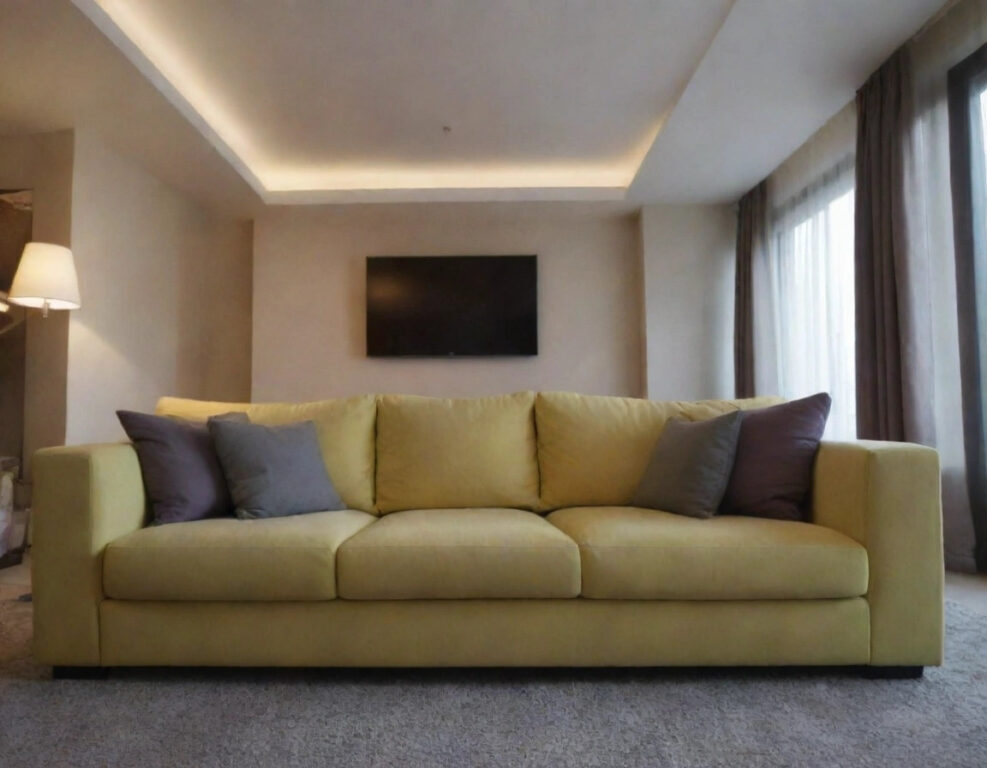
If you want a bolder move, pick one accent wall or one big piece — a sofa, a rug — in a saturated color like terracotta, deep olive, or navy. One. Not five. The biggest mistake I see is people treating every surface as a chance for a different color story.
Furniture: Simple Lines, Real Function
Modern living room furniture in 2026 means clean silhouettes but not cold. Think a glass or stone coffee table, an iron-and-wood shelving unit, a sofa with slightly rounded edges rather than razor-sharp corners. Curves are having a moment because they soften the harshness of minimalist spaces.
Don’t overload the room. A well-balanced living room doesn’t need seven pieces of furniture to feel complete. It needs pieces that do their job and leave breathing room. If you can’t walk from the door to the sofa without sidestepping, you’ve overdone it.
One thing people underestimate: scale. A tiny sofa in a big room looks lost. An oversized sectional in a small apartment swallows everything. Measure before you buy, not after. That’s not a tip — that’s a rule I’ve watched people learn the hard way too many times.
Lighting Is Where Most Living Rooms Fail
Here’s my strong opinion: overhead lighting alone kills any living room. If your only light source is a single ceiling fixture, your space will feel like a dentist’s office no matter how nice your sofa is.
Layer your lighting. A floor lamp beside the sofa, a table lamp on a side table, maybe a dimmable recessed light highlighting artwork or a shelf. Warm bulbs (2700K–3000K), not the icy blue 5000K ones that make everyone look sick.
If you have big windows, use them. Natural light is free and it’s the best decorator you’ll ever hire. Keep curtains light and let them hang high and wide — it makes ceilings look taller and rooms feel bigger.
Accessories: Where Personality Actually Shows Up
Decorative accessories for elegant living rooms are where people either nail it or ruin everything. Cushions with interesting textures (bouclé, linen, velvet mixed together), a soft rug with a subtle pattern, a few candles, one piece of art you actually love. That’s it.
Stop buying filler objects. The bowl of decorative balls nobody touches, the fake plant in the corner collecting dust — cut them. A couple of meaningful pieces beat a shelf full of nothing every single time.
Books are underrated as decor. Stack them, use them as risers, actually read them. A living room with books feels lived-in in a way no amount of designer candles can fake.
Minimalist Doesn’t Mean Empty
The essential elements for a minimalist living room are not «nothing.» They’re function, harmony, and intention. Less is more — but only when what remains is chosen deliberately.
A minimalist living room still needs warmth. That comes from texture: a chunky knit throw, a wool rug, a wooden coffee table with visible grain. Without texture, minimalism turns into a waiting room.
You also need negative space. Empty wall space isn’t a failure. It’s what makes the pieces you do have actually visible. Fill every inch and you’ve created noise, not style.
Mix Old and New — It Always Works
Some of the best living rooms I’ve seen mix eras without apology. A mid-century chair next to a modern sofa. A vintage mirror above a clean-lined console. A classic wooden armoire repainted in a modern color.
Modern living rooms with classic touches feel timeless because they’re not chasing a single trend. The contrast is what makes them interesting. Renovating a classic living room with modern style can be as simple as swapping an old lamp for something current, or adding a contemporary rug under antique furniture.
My advice: pick one vintage or inherited piece you genuinely love, and build around it. Don’t force it. If it doesn’t fit, sell it and move on.
Luxury Trends Worth Following (and Some to Skip)
Current trends in luxury living room decoration lean hard into materials: marble, polished metal, stone, and rich textiles. Done well, they add sophistication without sacrificing comfort.
Done badly, they make your living room look like a hotel lobby you can’t leave. The difference is restraint. One marble surface, not five. One statement metal piece, not an entire chrome collection.
Skip the all-white everything trend unless you genuinely enjoy cleaning. Skip the matching furniture sets — they age a room instantly. Skip the giant wall of gray.
Make It Yours, Not a Catalog
At the end of the day, your living room should reflect you. Not a magazine, not an influencer’s rented apartment, not whatever algorithm decided you should like this month.
If you love color, use it. If you hate throw pillows, don’t buy them. If a piece of furniture makes you smile every time you see it, it belongs in the room even if it doesn’t match perfectly.
Good living room decor isn’t about following rules. It’s about knowing which rules actually matter — lighting, scale, and restraint — and breaking the rest on purpose.