Post actualizado el día octubre 25, 2026 by DeiviSanzPlay
Loading the dishwasher seems like a no-brainer, but the truth is that most people do it wrong. And no, it’s not about throwing the dishes in any old way. If you want to optimize dishwasher performance, the first thing you have to understand is that the water has to reach everywhere. If not, it doesn’t matter what detergent you use.
I’ve tried everything at home. From putting the detergent in the wrong compartment to placing glasses upside down as if it were a balancing game. And after many cycles, I’ve learned that there are gestures that make the difference between a mediocre wash and a restaurant-quality one.
Load the dishes as if your life depended on it
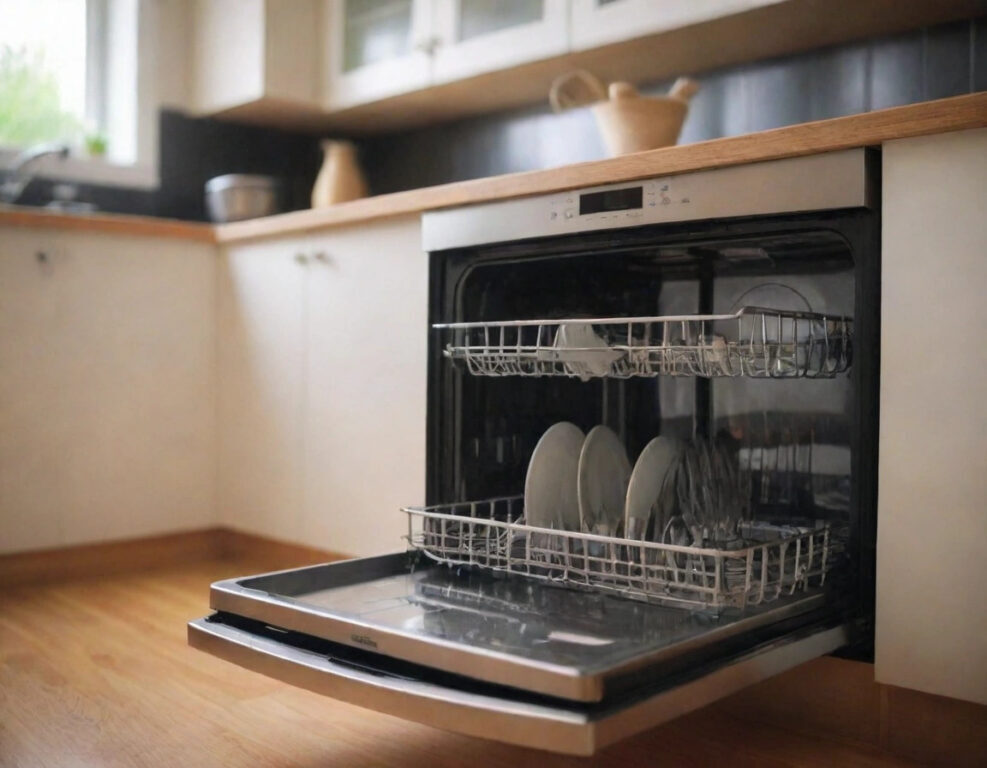
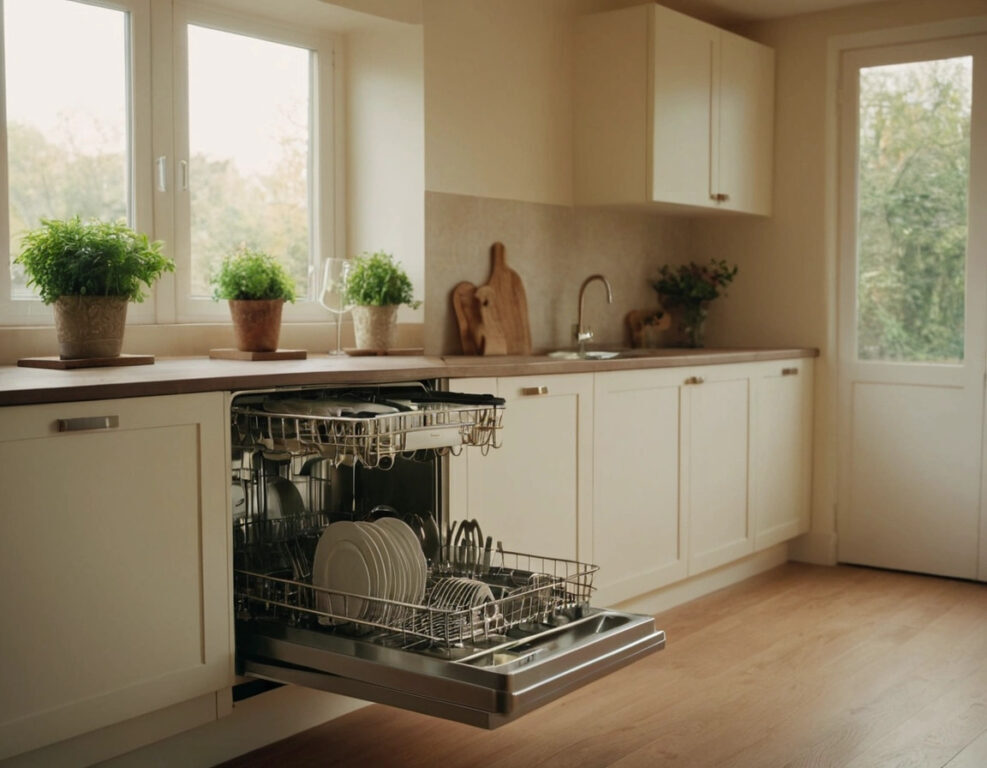
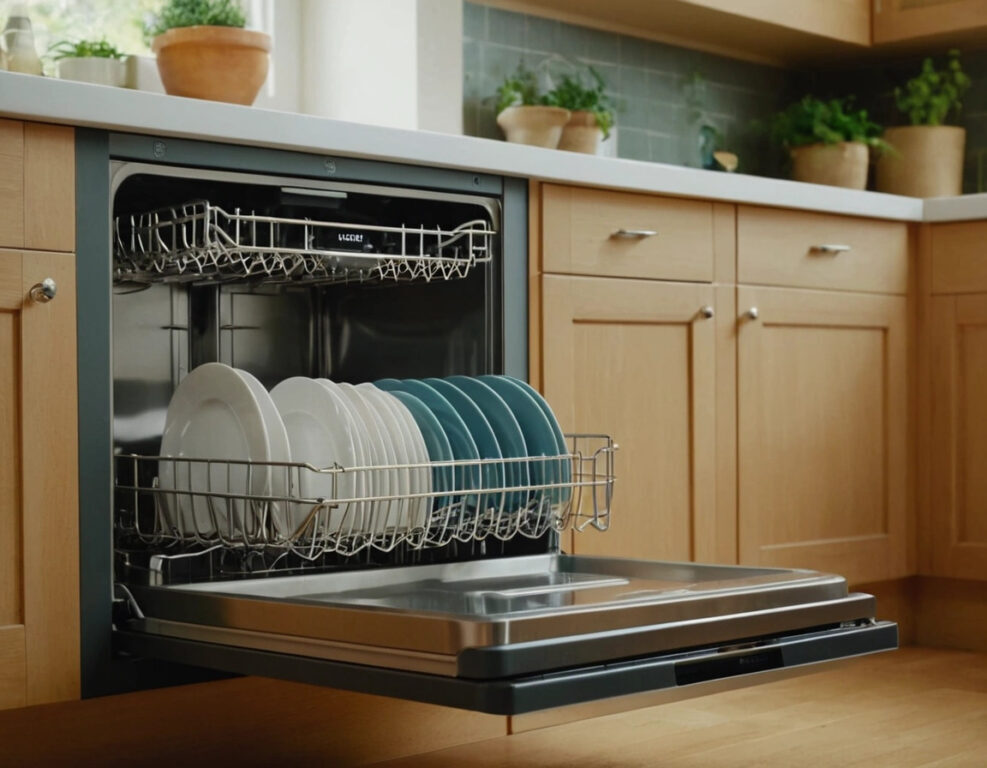
The most common mistake is overloading. You put two plates in the same slot, and the water can’t get through. Result: half the dishes come out with food residue. The rule is simple: leave space between the plates. They don’t have to touch. Glasses, upside down but slightly tilted so the water runs off. Cutlery, with the handles down (except knives, which go blade down for safety).
And watch out for large pots: they go in the bottom rack, never the top. If you block the spray arm, the wash will be a disaster. This is one of the most ignored tips for optimizing dishwasher performance.
The right cycle changes everything
Many modern dishwashers have specific cycles for each type of load. The intensive cycle isn’t always the best. For everyday dishes, an eco or normal cycle is usually enough. The intensive one uses more water and energy, and sometimes it isn’t even necessary.
If you have plates with dried-on residue, rinse them first or use the soak cycle. But don’t leave them there for a week, because the food sticks like cement. In my house, the 30-minute quick cycle is king for light dinners. That said, check that your model has it.
Keep the spray arms clean
The spray arms are responsible for shooting out the water. If they’re clogged, the wash is useless. Check them once a month. Take them out (they usually unscrew) and hold them up to the light to see if the holes are blocked. You can unclog them with a toothpick or an old toothbrush.
You don’t need to be handy. It’s a two-minute operation that prevents the water from being distributed poorly. If you notice that the dishes come out with spots or residue, the first thing you should check is the spray arms.
Detergent and rinse aid, properly dosed
Don’t use more detergent than necessary. Excess doesn’t clean more, and it can leave residue. Use the amount recommended by the manufacturer. And don’t forget the rinse aid: it’s key to getting glasses out without water marks. If you don’t use it, you’ll notice a whitish film.
Salt is also important if you live in an area with hard water. Without salt, limescale builds up and the dishwasher loses efficiency over time. It’s a minimal investment that extends the life of the appliance.
Clean the filter every week
The filter is the great forgotten one. Food residue, grease, and even pieces of glass accumulate there. If you don’t clean it, the water recirculates dirty and the dishes come out smelling. Take it out, wash it with hot water and soap, and put it back. Do it once a week, or every two weeks if you don’t use the dishwasher much.
Also, once a month you can run an empty cycle with a glass of vinegar in the top rack. That descales and eliminates odors. It’s a homemade trick that really works.
Don’t put just anything in the dishwasher
There are materials that can’t withstand the heat or the detergents. Wood warps, iron rusts, and aluminum darkens. Good-quality knives lose their edge. And antique porcelain dishes can crack. If in doubt, wash it by hand.
It’s also important not to mix silver with other metals, because it can cause a chemical reaction that stains. Separate the silver cutlery if you have any.
Check the condition of the seals and the door
Over time, the door gaskets deteriorate. If they don’t close properly, water escapes and the wash loses pressure. Clean the seals with a damp cloth and check that they don’t have cracks. If they’re in very bad shape, replace them. It’s not expensive and it prevents bigger breakdowns.
Also check that the door closes without forcing it. Sometimes a simple adjustment of the hinge screws solves a leaking problem.
Location and connection: don’t leave it all to chance
The dishwasher must be level. If it isn’t, the water isn’t distributed well and it can make strange noises. Use a bubble level and adjust the legs. Also make sure the drain hose doesn’t have loops that prevent drainage.
If you have very hard water, considering a whole-house water softener is a good idea. It doesn’t just protect the dishwasher, but also the washing machine and the water heater.
Schedule washes during off-peak hours
If your electricity rate has time-of-use pricing, take advantage and run the dishwasher at night or during off-peak hours. You’ll save on your bill and contribute to more efficient consumption. Many models have a delayed start, so there’s no excuse.
And if you go on vacation, don’t leave it full of dirty dishes. Better to run a quick cycle before you leave and then leave it ajar so it can air out.
With these tips, your dishwasher will last more years and your dishes will come out like new. There’s no magic, just common sense and a little maintenance.