

Post actualizado el día octubre 26, 2026 by DeiviSanzPlay
Let’s cut the crap: baby cushions are one of the most misunderstood products on the market. You see them everywhere—nursery aisles, Instagram ads, grandma’s house. But here’s the thing nobody tells you straight: the wrong cushion can kill. I’m not exaggerating. Suffocation deaths linked to soft bedding and pillows in cribs are still a real problem, and the AAP has been screaming about it for years.
That said, cushions aren’t inherently evil. They have legit uses. They just have absolutely zero place in a sleeping crib for an infant under one. So let’s break down what actually works, what’s a scam, and where parents keep screwing up with baby cushions.
What Baby Cushions Are Actually For (And What They’re Not)
First, get your terminology straight. «Baby cushion» is a catch-all that covers a bunch of totally different products: nursing pillows, tummy-time props, head-shaping pads, stroller inserts, and those god-awful crib bumpers. Grouping them together is how parents end up making dangerous decisions.
The only cushions with solid evidence behind them are infant support cushions used during supervised awake time—think tummy time or propping a baby who’s learning to sit. That’s it. Everything else needs a hard look.
Nursing pillows like the Boppy or My Brest Friend? Great for feeding and lounging with a parent right there. Dangerous the second they become a sleep surface. The U.S. Consumer Product Safety Commission has documented infant deaths from nursing pillows used for sleep, and that’s why labels now scream «NOT FOR SLEEP.»
The Safe Sleep Rule That Overrides Everything Else
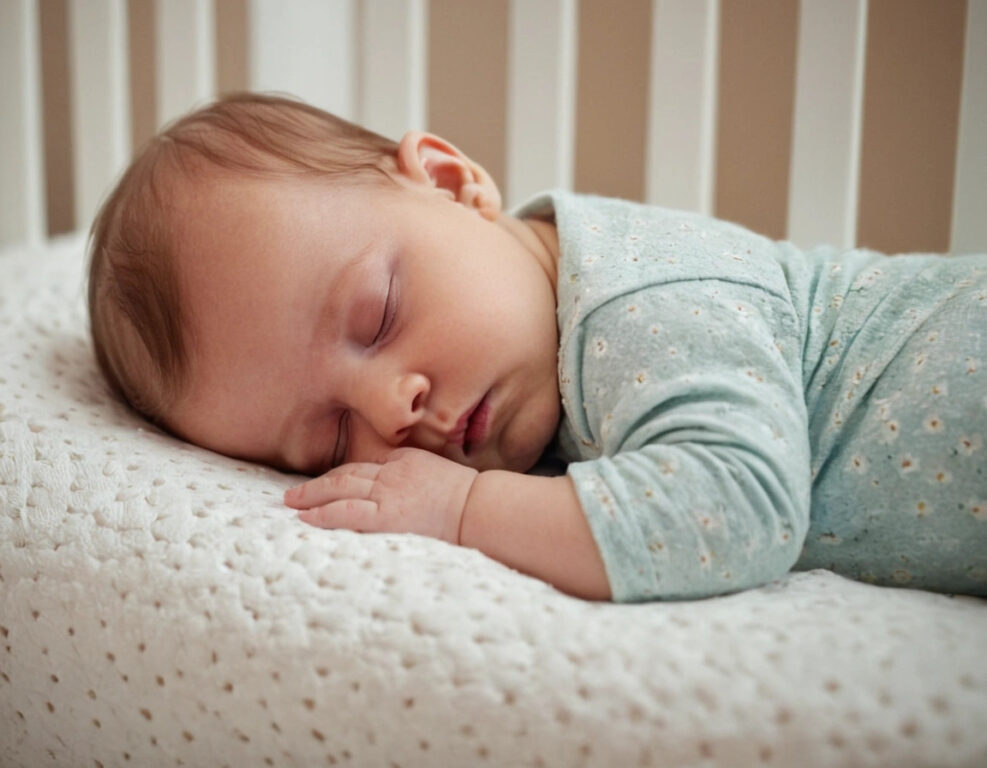
If you take one thing from this article, take this: a crib should contain a firm mattress with a fitted sheet. Nothing else. No pillows, no bumpers, no stuffed animals, no blankets, no orthopedic cushions for babies that some influencer swears by.
The reasoning is mechanical, not ideological. Infants lack the neck strength to move their heads away from a soft surface if their airway gets blocked. A cushion that feels «gentle» to your hand is a potential suffocation hazard to a three-month-old. Rebreathing exhaled CO2 into a soft pocket also raises SIDS risk.
«The safest place for a baby to sleep is on their back, on a firm surface, in a bare crib.» — American Academy of Pediatrics, Safe Sleep Guidelines
So when someone tells you a cushion helps prevent flat head syndrome (plagiocephaly), they’re solving one cosmetic problem by creating a fatal one. Turn the baby’s head during supervised play, do tummy time, alternate feeding positions—that’s how you prevent flat spots. Not with padding in the crib.
Where Support Cushions for Babies Actually Help
Awake, supervised, on the floor. That’s the window where support cushions for babies earn their keep.
A crescent-shaped sit-me-up cushion behind a 5-6 month old who’s testing their balance? Fine, as long as you’re sitting right there. A wedge under the chest during tummy time to make it less miserable for a baby with reflux? Reasonable, again supervised.
Stroller and car seat inserts are a different category. They need to be the ones that came with the seat or are approved by the manufacturer. Aftermarket head support pads can interfere with harness fit and actually eject a baby in a crash. I’ve seen it recommended in mom groups like it’s no big deal—it is a big deal.
- OK: Tummy time props, nursing pillows during feeds, sit-up support with hands on the baby
- Not OK: Anything in the crib during sleep, crib bumpers, loungers advertised for naps, head-shaping pillows marketed for newborns
- Gray zone: Positional wedges under medical advice—only if a pediatrician specifically prescribed one for reflux or similar
The «Baby Lounger» Trap Nobody Warns You About
DockATot, Snuggle Me, Boppy loungers—these exploded in popularity and then got hammered by regulators. The Boppy lounger was recalled in 2021 after at least eight infant deaths. DockATot has faced similar scrutiny.
They’re marketed as loungers, not sleepers, but exhausted parents use them for sleep because they look cozy and babies pass out in them instantly. That instant sleep is the warning sign, not the feature. A baby sleeping deeply on a soft, inclined surface is a baby whose airway may be compromised.
The fix isn’t to ban them—it’s to use them the way the label says. Awake. Supervised. On the floor. Never in a crib, never overnight, never with a sleeping parent nearby who might drift off too.
How to Pick a Cushion Without Getting Played
Look for a few hard criteria. If a product fails any of these, walk away.
- Firm, breathable fill. If you can push your hand into it and it stays dented, it’s too soft for anything near a baby’s face.
- Washable cover. Babies spit up, leak, and drool. A cushion you can’t wash becomes a bacteria farm in two weeks.
- No incline for sleep. Anything claiming to help with reflux during sleep is fighting the AAP’s guidance and losing.
- Age-appropriate. A cushion for a 6-month-old sitter is not the same as one for a newborn. Marketing that says «0-12 months» is usually covering for the fact that it’s safe for nobody.
Also—check for recalls before you buy, especially secondhand. The CPSC keeps a searchable database. Grandparents handing down a 15-year-old crib bumper? Toss it. The safety standards changed for a reason.
The Short Version You Can Actually Remember
Cushions are tools, not decor. Use them for play, feeding, and supervised development. Keep them the hell out of the sleep space.
If a product promises better sleep, flatter heads, or «orthopedic support» for a newborn, that’s a marketing red flag, not a feature. Your pediatrician’s advice beats any product page. And if you’re ever unsure whether something is safe for your specific baby—preemie, reflux, breathing issues—ask. Don’t crowdsource it from a Facebook group.
The parents who get this right aren’t the ones buying the most gadgets. They’re the ones who understand that less is genuinely more when it comes to what touches a sleeping infant.
